THE ADVENTURE COLLECTIVE® · Independent discovery and booking for outdoor travel

Travel from Marrakech across the Atlas to Erg Chebbi on a four-day circuit that mixes kasbahs, gorge walks and an overnight Berber tent in the Sahara. Expect long drives, short walks and an unforgettable dune-side camp night.
Travel from Marrakech across the Atlas to Erg Chebbi on a four-day circuit that mixes kasbahs, gorge walks and an overnight Berber tent in the Sahara. Expect long drives, short walks and an unforgettable dune-side camp night.
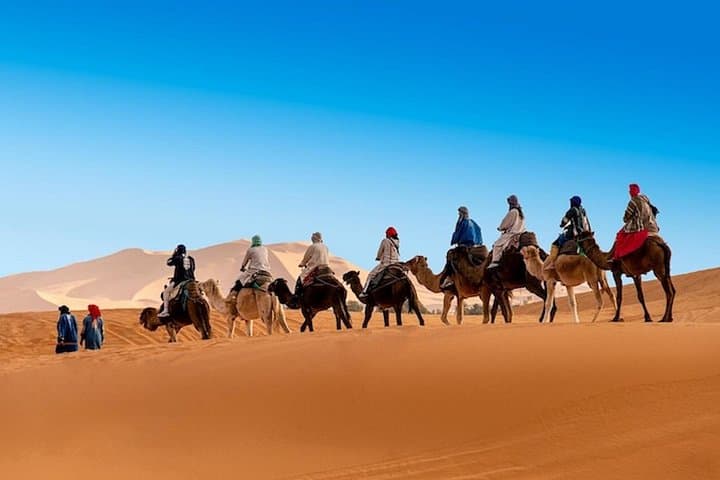
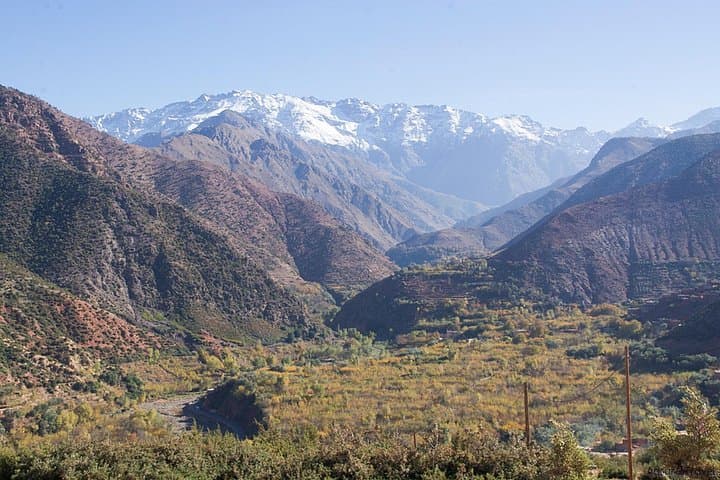
The track unfurls out of Marrakech with the Atlas Mountains receding like a hand-wave, and by the second day you feel the sand change tone — from pale dust to the gold-orange ripples of Erg Chebbi. Camels step patiently across the dunes as the sun slants low; at night a desert camp opens to the sky and stars feel only a fingertip away.
Verified experiences and guided adventures in the surrounding area.
Operated by Morocco Destination Tours · Merzouga, Drâa-Tafilalet
The track unfurls out of Marrakech with the Atlas Mountains receding like a hand-wave, and by the second day you feel the sand change tone — from pale dust to the gold-orange ripples of Erg Chebbi. Camels step patiently across the dunes as the sun slants low; at night a desert camp opens to the sky and stars feel only a fingertip away.
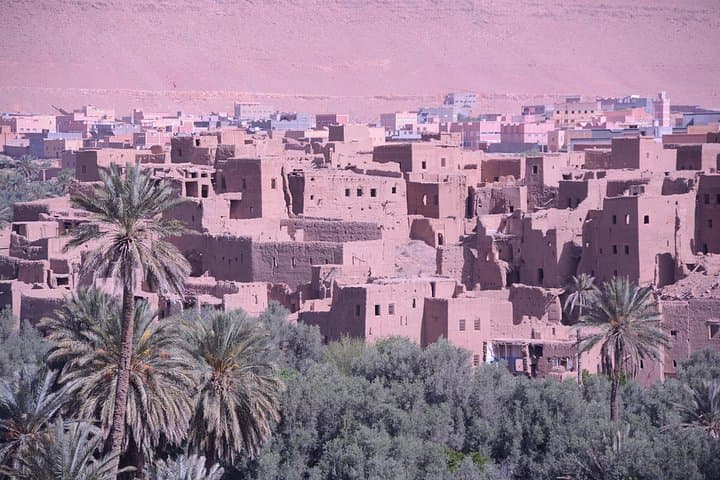
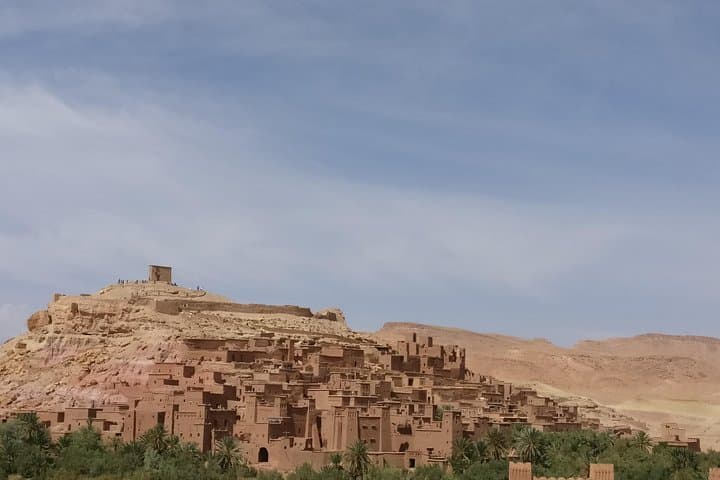
This route follows long-used caravan corridors and passes fortified kasbahs such as Aït Ben Haddou — a mudbrick medina with UNESCO recognition and a long filmography. Geologically, the Anti-Atlas and High Atlas carve valleys and gorges you’ll drive through; the Draa Valley’s date palms trace an ancient irrigation culture that sustained Saharan trade routes for centuries. Local Berber communities keep living crafts and rose-growing traditions (Kalaat Mgouna) alive along the way.
Expect a mix of paved road driving and short walks: a quick stroll in Todra Gorge, photo stops at Ouarzazate’s Taourirt Kasbah and an organized camel trek to a tented camp in Merzouga. Nights at the desert camp are basic yet comfortable, with shared dining and Berber music under an open sky.
Practical guidance: pack sun protection, sturdy closed-toe shoes for dune ascents, and layered clothing for hot days and chilly desert nights. Hydrate frequently — the air is dry and mileage between services is long. If you have mobility concerns, verify camel-ride assistance and vehicle drop-off details before booking. This four-day circuit blends cultural stops, light walking, and true dune time for a compact Sahara introduction.
The camel ride is gentle and tailored for tourists; it lasts around 45–60 minutes and involves mounting assistance at both ends, but you should be able to sit in a saddle for that duration.
Yes — the tour includes three dinners, three breakfasts, and two nights in riads plus one night in a Berber tent at the desert camp.
Children can join but must be accompanied by an adult; verify camel policies for very young children and request infant seats for transfers if needed.
There are vehicle drop-off points for guests who prefer not to ride camels; contact the operator in advance to arrange accessibility accommodations.
Morocco Destination Tours operates guided outdoor trips and adventures with an emphasis on safety, stewardship, and memorable experiences.
The track unfurls out of Marrakech with the Atlas Mountains receding like a hand-wave, and by the second day you feel the sand change tone — from pale dust to the gold-orange ripples of Erg Chebbi. Camels step patiently across the dunes as the sun slants low; at night a desert camp opens to the sky and stars feel only a fingertip away.
The track unfurls out of Marrakech with the Atlas Mountains receding like a hand-wave, and by the second day you feel the sand change tone — from pale dust to the gold-orange ripples of Erg Chebbi. Camels step patiently across the dunes as the sun slants low; at night a desert camp opens to the sky and stars feel only a fingertip away.
This route follows long-used caravan corridors and passes fortified kasbahs such as Aït Ben Haddou — a mudbrick medina with UNESCO recognition and a long filmography. Geologically, the Anti-Atlas and High Atlas carve valleys and gorges you’ll drive through; the Draa Valley’s date palms trace an ancient irrigation culture that sustained Saharan trade routes for centuries. Local Berber communities keep living crafts and rose-growing traditions (Kalaat Mgouna) alive along the way.
Expect a mix of paved road driving and short walks: a quick stroll in Todra Gorge, photo stops at Ouarzazate’s Taourirt Kasbah and an organized camel trek to a tented camp in Merzouga. Nights at the desert camp are basic yet comfortable, with shared dining and Berber music under an open sky.
Practical guidance: pack sun protection, sturdy closed-toe shoes for dune ascents, and layered clothing for hot days and chilly desert nights. Hydrate frequently — the air is dry and mileage between services is long. If you have mobility concerns, verify camel-ride assistance and vehicle drop-off details before booking. This four-day circuit blends cultural stops, light walking, and true dune time for a compact Sahara introduction.