THE ADVENTURE COLLECTIVE® · Independent discovery and booking for outdoor travel

A four-day trek up Mount Meru combines a walking safari through Arusha National Park with a high-altitude alpine climb. Expect close wildlife encounters, forested trails, and a summit push used by many as acclimatization before Kilimanjaro.
A four-day trek up Mount Meru combines a walking safari through Arusha National Park with a high-altitude alpine climb. Expect close wildlife encounters, forested trails, and a summit push used by many as acclimatization before Kilimanjaro.
The day begins with a gray wash of light over the eastern flank of Mount Meru, and the air tastes of dust and green. Guides move with quiet efficiency, checking packs and distributing boiled water while armed rangers stand watch—an ordinary part of the route inside Arusha National Park, where the trail alternates between open moorland and forested corridors. As hikers gain elevation, the canopy opens to reveal broad views of the crater rim and, on clear days, a distant Mount Kilimanjaro perched like a white-backed elder on the horizon.
Verified experiences and guided adventures in the surrounding area.
Operated by Private Explorers · Arusha, Arusha Region
The day begins with a gray wash of light over the eastern flank of Mount Meru, and the air tastes of dust and green. Guides move with quiet efficiency, checking packs and distributing boiled water while armed rangers stand watch—an ordinary part of the route inside Arusha National Park, where the trail alternates between open moorland and forested corridors. As hikers gain elevation, the canopy opens to reveal broad views of the crater rim and, on clear days, a distant Mount Kilimanjaro perched like a white-backed elder on the horizon.
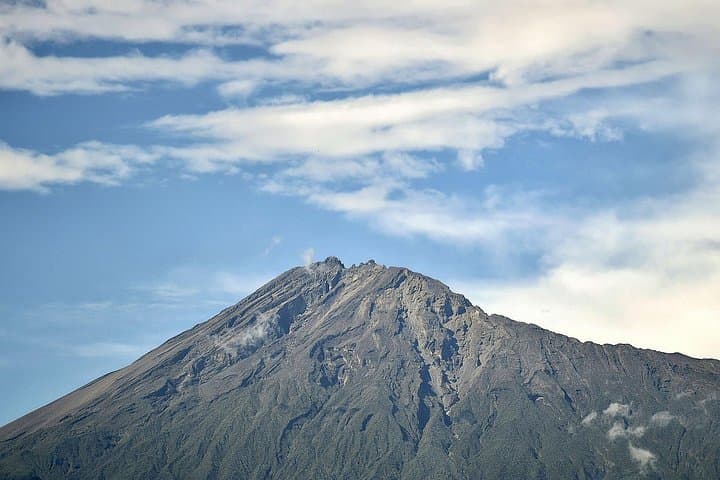
Meru is a volcanic peak with a chalky summit cone and a crater floor that hints at the mountain's explosive past. At 4,566 meters, it is Tanzania's second-highest peak and has long been used by climbers for acclimatization before attempting Kilimanjaro. The route threads ancient lava flows, heather-clad ridges, and pockets of indigenous forest where black-and-white colobus monkeys swing like punctuation in the branches. Colonial-era explorers wrote of its wildlife-rich lower slopes; today the walking safari element remains an intrinsic draw—buffalo and zebra are regular sightings along the park tracks.
Culturally, the route passes through Maasai lands and communities in the Arusha region, where pastoral rhythms set the pace of life. Local guides and porters bring practical knowledge and stories—how seasons shift grazing patterns, where mountain streams run truest, and which clearings hold the best sunrise views. Conservation work in the park focuses on balancing tourism with habitat protection; rangers escort groups to limit disturbances to wildlife and to ensure safety on shared trails.
Practically, the climb is best done over four days to allow for proper acclimatization. The itinerary mixes full hiking days with shorter, restorative walks. Trails vary from packed volcanic scree to soft alpine grass; expect steady elevation gain and some steep sections near the summit cone. No technical climbing gear is required, but the summit push is a long, cold pre-dawn march that demands pacing and attention to hydration.
Plan for layered clothing, sturdy waterproof boots, and a warm sleeping bag rated for near-freezing nights. Start early on summit day and be ready for sudden weather shifts—Mount Meru can turn wind-raw and cold as the sun drops. Respect ranger instructions, carry enough water and high-energy snacks, and allow your body time to adjust to altitude. For travelers who want wildlife and high-altitude trekking in a compact, authentic package, Mount Meru offers a wilderness climb that feels both intimate and expansive: the mountain will push you, and reward you with open skies and the slow, steady satisfaction of having walked its slopes.
Yes; Arusha National Park requires all groups to be escorted by armed rangers while on park land for both safety and wildlife protection.
Most operators include a lead guide and porters; confirm in advance to understand who carries group gear versus personal items.
Summit day is a long pre-dawn ascent with significant elevation gain; expect 6–10 hours round-trip depending on pace and weather.
No technical climbing skills are needed—the route is a trek, not a technical ascent—but prior multi-day trekking experience is recommended.
Dry months (June–October and January–February) offer more reliable weather and clearer summit views, though climbs are possible year-round with variable conditions.
Yes; lower slopes and park tracks often host buffalo, zebra, and primates—rangers manage encounters to reduce disturbance and keep hikers safe.
Private Explorers operates guided outdoor trips and adventures with an emphasis on safety, stewardship, and memorable experiences.
The day begins with a gray wash of light over the eastern flank of Mount Meru, and the air tastes of dust and green. Guides move with quiet efficiency, checking packs and distributing boiled water while armed rangers stand watch—an ordinary part of the route inside Arusha National Park, where the trail alternates between open moorland and forested corridors. As hikers gain elevation, the canopy opens to reveal broad views of the crater rim and, on clear days, a distant Mount Kilimanjaro perched like a white-backed elder on the horizon.
The day begins with a gray wash of light over the eastern flank of Mount Meru, and the air tastes of dust and green. Guides move with quiet efficiency, checking packs and distributing boiled water while armed rangers stand watch—an ordinary part of the route inside Arusha National Park, where the trail alternates between open moorland and forested corridors. As hikers gain elevation, the canopy opens to reveal broad views of the crater rim and, on clear days, a distant Mount Kilimanjaro perched like a white-backed elder on the horizon.
Meru is a volcanic peak with a chalky summit cone and a crater floor that hints at the mountain's explosive past. At 4,566 meters, it is Tanzania's second-highest peak and has long been used by climbers for acclimatization before attempting Kilimanjaro. The route threads ancient lava flows, heather-clad ridges, and pockets of indigenous forest where black-and-white colobus monkeys swing like punctuation in the branches. Colonial-era explorers wrote of its wildlife-rich lower slopes; today the walking safari element remains an intrinsic draw—buffalo and zebra are regular sightings along the park tracks.
Culturally, the route passes through Maasai lands and communities in the Arusha region, where pastoral rhythms set the pace of life. Local guides and porters bring practical knowledge and stories—how seasons shift grazing patterns, where mountain streams run truest, and which clearings hold the best sunrise views. Conservation work in the park focuses on balancing tourism with habitat protection; rangers escort groups to limit disturbances to wildlife and to ensure safety on shared trails.
Practically, the climb is best done over four days to allow for proper acclimatization. The itinerary mixes full hiking days with shorter, restorative walks. Trails vary from packed volcanic scree to soft alpine grass; expect steady elevation gain and some steep sections near the summit cone. No technical climbing gear is required, but the summit push is a long, cold pre-dawn march that demands pacing and attention to hydration.
Plan for layered clothing, sturdy waterproof boots, and a warm sleeping bag rated for near-freezing nights. Start early on summit day and be ready for sudden weather shifts—Mount Meru can turn wind-raw and cold as the sun drops. Respect ranger instructions, carry enough water and high-energy snacks, and allow your body time to adjust to altitude. For travelers who want wildlife and high-altitude trekking in a compact, authentic package, Mount Meru offers a wilderness climb that feels both intimate and expansive: the mountain will push you, and reward you with open skies and the slow, steady satisfaction of having walked its slopes.