THE ADVENTURE COLLECTIVE® · Independent discovery and booking for outdoor travel

A four-day, non-technical summit of Mount Meru that blends wildlife-rich lower slopes with a steep, high-altitude final ascent to Socialist Peak. Perfect as an acclimatization climb before Kilimanjaro or as a standalone alpine challenge in Arusha National Park.
A four-day, non-technical summit of Mount Meru that blends wildlife-rich lower slopes with a steep, high-altitude final ascent to Socialist Peak. Perfect as an acclimatization climb before Kilimanjaro or as a standalone alpine challenge in Arusha National Park.
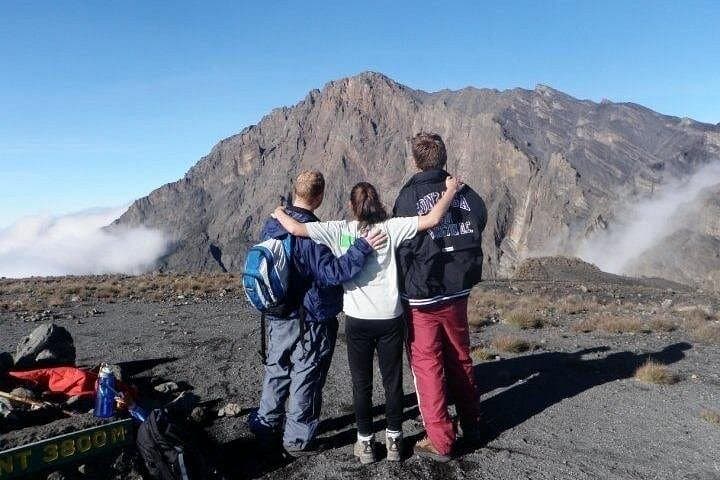
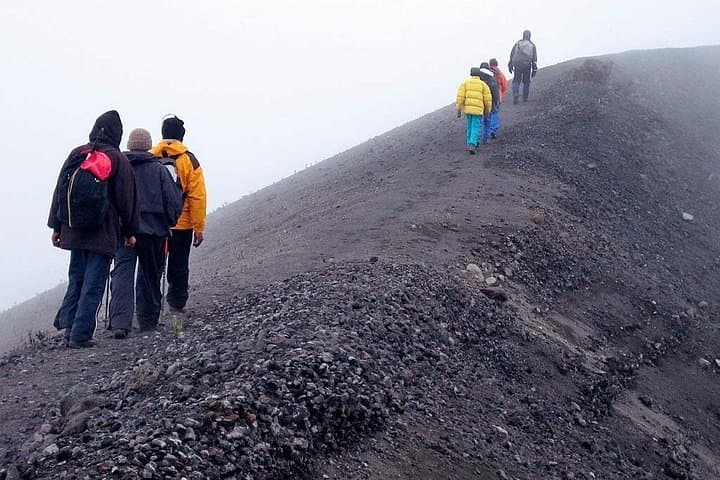
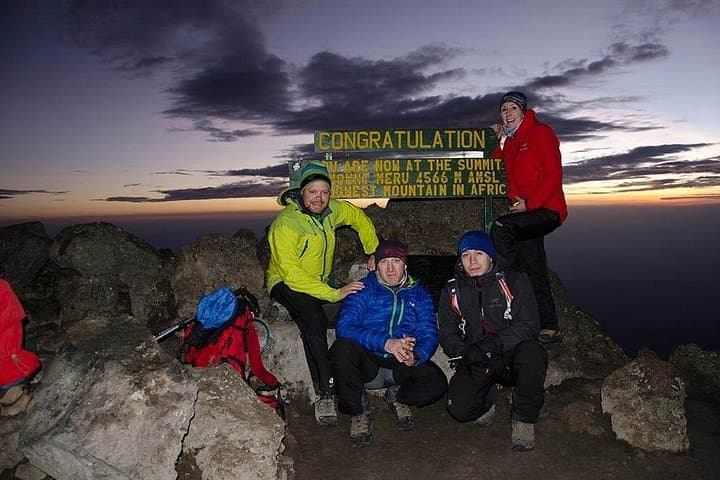
Before dawn the ridge feels alive—a thin wind pushing cold up from the crater, the headlamp cones flicking over loose scree. On day three you’ll step into a sky that seems to lean toward the summit, and Mount Meru, patient and blunt, will dare you to keep moving.
Verified experiences and guided adventures in the surrounding area.
Operated by pazuri porini safaris · Moshi, Kilimanjaro Region
Before dawn the ridge feels alive—a thin wind pushing cold up from the crater, the headlamp cones flicking over loose scree. On day three you’ll step into a sky that seems to lean toward the summit, and Mount Meru, patient and blunt, will dare you to keep moving.
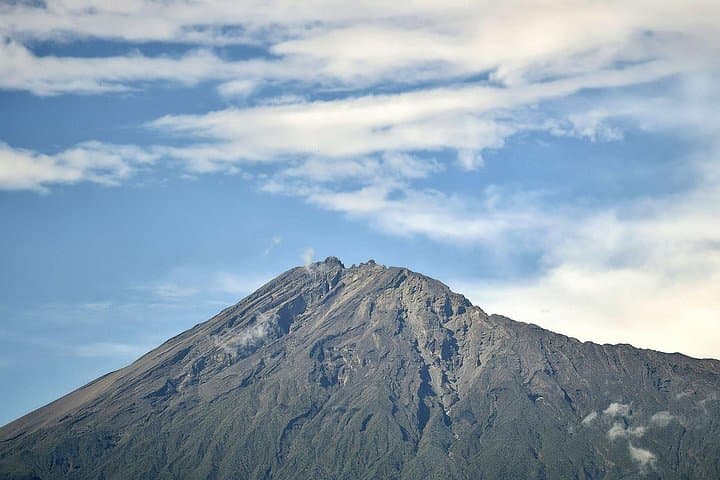
Rising to about 4,566 m within Arusha National Park, Mount Meru is younger and steeper than Kilimanjaro: volcanic shoulders, an ash cone and a deep crater mark its geology. The mountain sits on routes that Maasai and Meru peoples have traversed for generations; colonial-era surveys added scientific names like Socialist Peak, but local knowledge still maps the safest water sources and shelter spots.
Wildlife shares the slopes—buffalo and giraffe browse the lower woodlands, colobus monkeys thread the canopy, and klipspringers ghost the upper rock. The trail’s character changes fast: montane forest gives way to heath and then to gravel ridgelines, so the climb tests both legs and acclimatization.
Practically: the four-day itinerary starts at Momella Gate (≈1,500 m), with nights at Miriakamba and Saddle huts and a midnight summit push to Socialist Peak (~4,562 m). Expect steep, sustained sections, loose gravel on the final ascent and long descent days. Bring layered insulation, dependable boots, poles, and a good sleep rhythm; altitude is the chief challenge, not technical scrambling.
Plan for dry-season weather (June–October), allow time to acclimatize, and travel with a guide and ranger—both for route safety and to minimize wildlife disturbance.
It’s non-technical but steeper than many multiday hikes; stamina for a 10–12 hour summit day and basic altitude awareness are essential.
Yes—treks operate with guides and an armed ranger for safety and wildlife management within Arusha National Park.
June–October offers the most reliable dry weather; September–October also provides good conditions before short rains start.
Standard packages include park fees, meals as listed, and hut accommodation on the route—confirm details with the operator before booking.
pazuri porini safaris operates guided outdoor trips and adventures with an emphasis on safety, stewardship, and memorable experiences.
Before dawn the ridge feels alive—a thin wind pushing cold up from the crater, the headlamp cones flicking over loose scree. On day three you’ll step into a sky that seems to lean toward the summit, and Mount Meru, patient and blunt, will dare you to keep moving.
Before dawn the ridge feels alive—a thin wind pushing cold up from the crater, the headlamp cones flicking over loose scree. On day three you’ll step into a sky that seems to lean toward the summit, and Mount Meru, patient and blunt, will dare you to keep moving.
Rising to about 4,566 m within Arusha National Park, Mount Meru is younger and steeper than Kilimanjaro: volcanic shoulders, an ash cone and a deep crater mark its geology. The mountain sits on routes that Maasai and Meru peoples have traversed for generations; colonial-era surveys added scientific names like Socialist Peak, but local knowledge still maps the safest water sources and shelter spots.
Wildlife shares the slopes—buffalo and giraffe browse the lower woodlands, colobus monkeys thread the canopy, and klipspringers ghost the upper rock. The trail’s character changes fast: montane forest gives way to heath and then to gravel ridgelines, so the climb tests both legs and acclimatization.
Practically: the four-day itinerary starts at Momella Gate (≈1,500 m), with nights at Miriakamba and Saddle huts and a midnight summit push to Socialist Peak (~4,562 m). Expect steep, sustained sections, loose gravel on the final ascent and long descent days. Bring layered insulation, dependable boots, poles, and a good sleep rhythm; altitude is the chief challenge, not technical scrambling.
Plan for dry-season weather (June–October), allow time to acclimatize, and travel with a guide and ranger—both for route safety and to minimize wildlife disturbance.