THE ADVENTURE COLLECTIVE® · Independent discovery and booking for outdoor travel

A 4-day trek from Lushoto into the Usambara Mountains that blends sustained ridge walking, rainforest trails, and village visits. Expect panoramic viewpoints, pottery workshops, and simple homestays across varied terrain.
A 4-day trek from Lushoto into the Usambara Mountains that blends sustained ridge walking, rainforest trails, and village visits. Expect panoramic viewpoints, pottery workshops, and simple homestays across varied terrain.
The trail opens on a cool dawn above Lushoto, mist lifting off steep ridges as porters and guides string their packs together. You walk where clouds rub the mountain faces and the forest seems to lean in, a living wall of leaves that both shelters and challenges each step.
Verified experiences and guided adventures in the surrounding area.
Operated by Friends of usambara Society · Lushoto, Tanga Region
The trail opens on a cool dawn above Lushoto, mist lifting off steep ridges as porters and guides string their packs together. You walk where clouds rub the mountain faces and the forest seems to lean in, a living wall of leaves that both shelters and challenges each step.
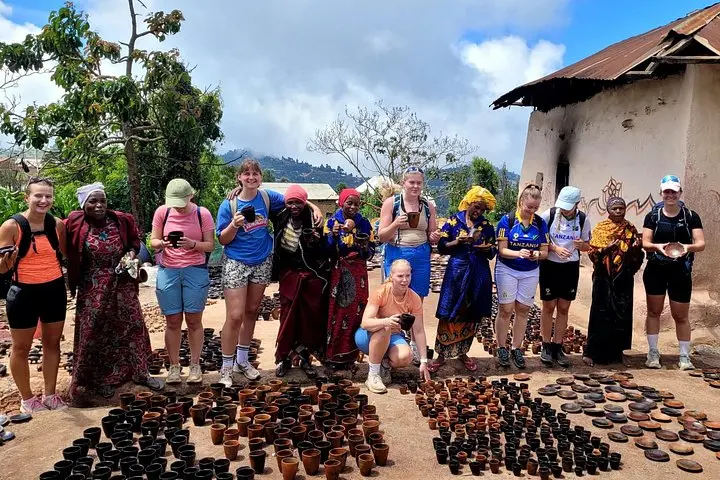
The Usambara Mountains are an ancient fault-block range carved from Precambrian rock; their cliffs and valleys collect moisture from the Indian Ocean, feeding lush montane forest like Magamba. Human history here is intimate — small Chaga and Shambaa farming communities have shaped terraces and footpaths for generations. Expect encounters with pottery makers, women tending medicinal herb beds, and elders who remember colonial-era trade routes.
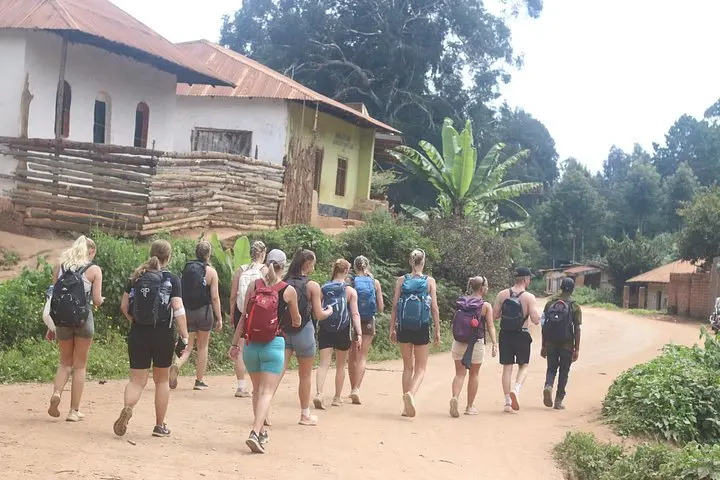
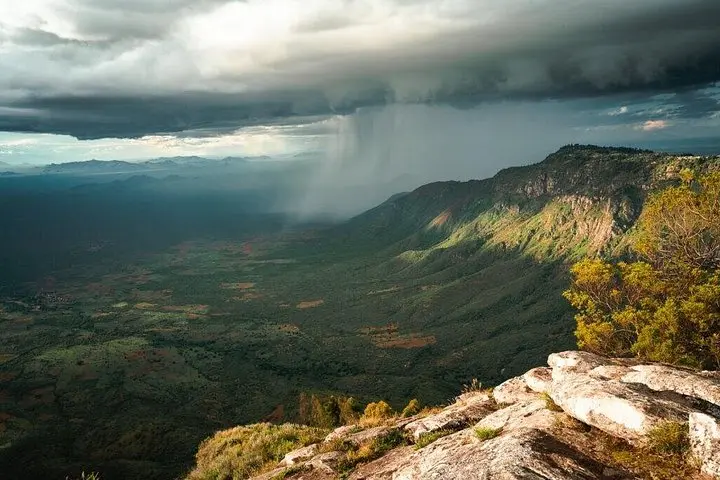
Over 4 days you’ll move from village lanes to narrow forest tracks, through farmland and rainforest gullies. Trails rise and fall; total distance varies by route (roughly 60–82 km across 3–5 days) with sustained elevation change that rewards you with high ridgeline viewpoints and picnic clearings.
Practical notes: trekking is not technical but demands endurance and layered clothing for rapid weather shifts. Water treatment or reliable bottled water is essential; trail surfaces range from packed earth to rocky, slippery roots after rain. Homestays and simple camps give cultural comfort rather than wilderness solitude — bring modest gifts and curiosity.
Plan daily pacing around local meal times and mid-day heat. Start hikes early, carry a compact first-aid kit, and confirm pickup logistics in Lushoto — the mountains are hospitable, but they will ask you to earn every view.
Expect sustained climbs and descents across a few long days—routes are non-technical but physically demanding; a moderate to high fitness level is recommended.
Accommodation alternates between simple homestays and basic campsites with shared facilities—comfort is rustic and focused on cultural immersion.
Local guides are included and may arrange porters depending on group size; confirm porter availability and fees when booking.
The dry months (June–October) offer the most reliable hiking conditions; avoid the long rains (March–May) for safer trails and clearer views.
Friends of usambara Society operates guided outdoor trips and adventures with an emphasis on safety, stewardship, and memorable experiences.
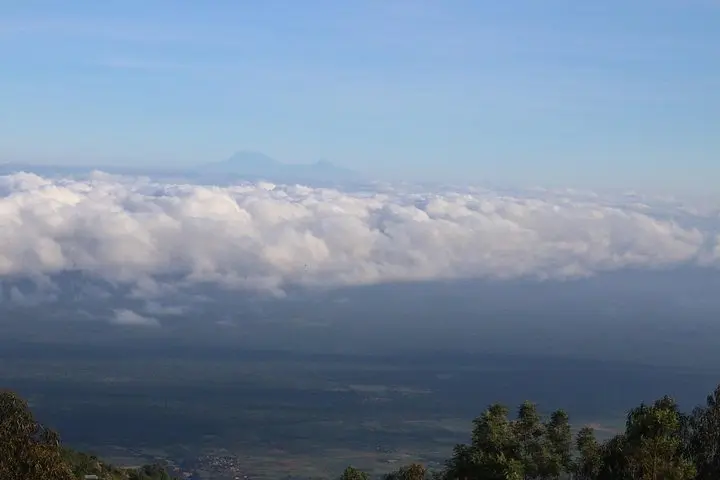
The trail opens on a cool dawn above Lushoto, mist lifting off steep ridges as porters and guides string their packs together. You walk where clouds rub the mountain faces and the forest seems to lean in, a living wall of leaves that both shelters and challenges each step.
The trail opens on a cool dawn above Lushoto, mist lifting off steep ridges as porters and guides string their packs together. You walk where clouds rub the mountain faces and the forest seems to lean in, a living wall of leaves that both shelters and challenges each step.
The Usambara Mountains are an ancient fault-block range carved from Precambrian rock; their cliffs and valleys collect moisture from the Indian Ocean, feeding lush montane forest like Magamba. Human history here is intimate — small Chaga and Shambaa farming communities have shaped terraces and footpaths for generations. Expect encounters with pottery makers, women tending medicinal herb beds, and elders who remember colonial-era trade routes.
Over 4 days you’ll move from village lanes to narrow forest tracks, through farmland and rainforest gullies. Trails rise and fall; total distance varies by route (roughly 60–82 km across 3–5 days) with sustained elevation change that rewards you with high ridgeline viewpoints and picnic clearings.
Practical notes: trekking is not technical but demands endurance and layered clothing for rapid weather shifts. Water treatment or reliable bottled water is essential; trail surfaces range from packed earth to rocky, slippery roots after rain. Homestays and simple camps give cultural comfort rather than wilderness solitude — bring modest gifts and curiosity.
Plan daily pacing around local meal times and mid-day heat. Start hikes early, carry a compact first-aid kit, and confirm pickup logistics in Lushoto — the mountains are hospitable, but they will ask you to earn every view.