THE ADVENTURE COLLECTIVE® · Independent discovery and booking for outdoor travel

Experience the Ndutu calving season on a concentrated four-day safari that pairs southern Serengeti game drives with a descent into Ngorongoro Crater. Expect intense wildlife viewing, early starts, and landscapes shaped by volcanic geology.
Experience the Ndutu calving season on a concentrated four-day safari that pairs southern Serengeti game drives with a descent into Ngorongoro Crater. Expect intense wildlife viewing, early starts, and landscapes shaped by volcanic geology.
Dawn spills across the southern Serengeti and the plains wake with a low, constant murmur — hooves beating a slow drum and acacia trees whispering in the breeze. On this four-day route from Arusha to Ndutu and the Ngorongoro Crater, the landscape pushes you forward: grasslands open into marshy soda lakes, then rise to the dramatic rim of an ancient volcanic caldera.
Verified experiences and guided adventures in the surrounding area.
Operated by MERU SLOPES TOURS AND SAFARIS · Ndutu, Arusha Region
Dawn spills across the southern Serengeti and the plains wake with a low, constant murmur — hooves beating a slow drum and acacia trees whispering in the breeze. On this four-day route from Arusha to Ndutu and the Ngorongoro Crater, the landscape pushes you forward: grasslands open into marshy soda lakes, then rise to the dramatic rim of an ancient volcanic caldera.
The route follows paths well-traveled by wildebeest for millennia. Geologically the crater is a collapsed volcano, its rim a hard circle that traps a rich ecosystem on the floor; Ndutu’s seasonal wetlands form where shallow drainage and volcanic soils retain water long enough for calving. Local Maasai communities have shared this land with wildlife for generations, and their knowledge of migration timing still guides better viewing windows.
Expect close, slow game drives at first and an expansive crater descent on the final day. The calving season (typically February–March) concentrates herds and predators, so sightings can move from distant silhouettes to frenetic action in minutes. Bring binoculars and a zoom lens, but also patience — the environment dictates the pace.
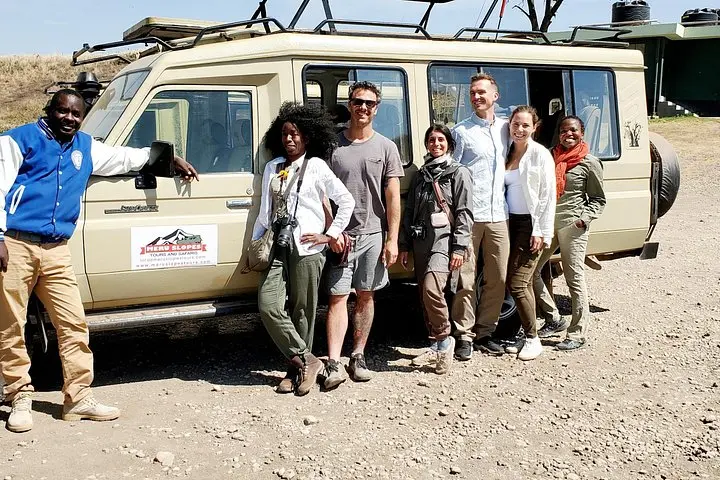
Practical guidance: travel in a 4x4 safari vehicle with a professional guide, plan for early starts and long baking afternoons, and protect yourself from sun, dust, and dehydration. Respect wildlife distances and the park rules; the land is busy with life and requires both curiosity and restraint to enjoy safely.
Calving is most concentrated in the southern Serengeti/Ndutu area typically during February–March, when grass freshness and shallow wetlands support large aggregations of wildebeest.
Yes — the itinerary is described as suitable for all fitness levels, but children should be supervised and long drives can be tiring for very young kids.
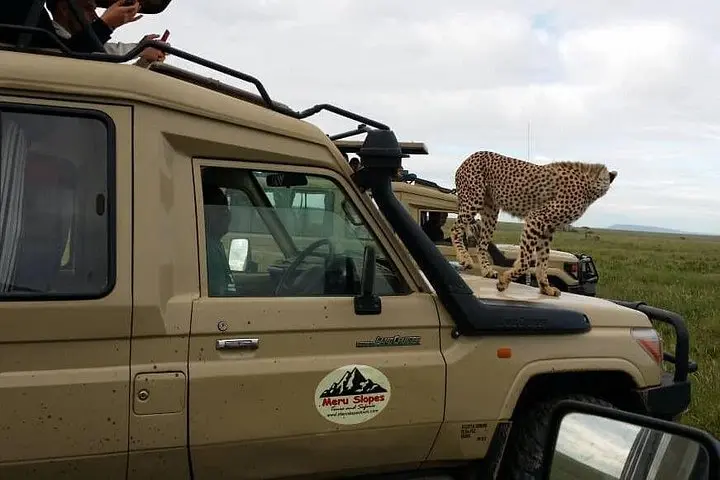
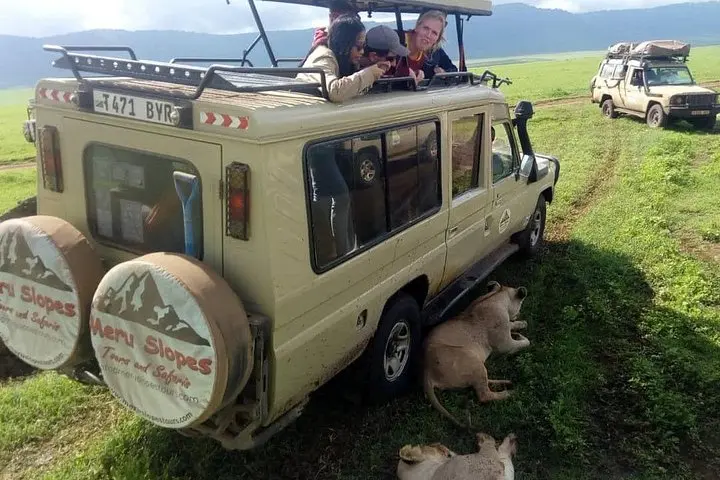
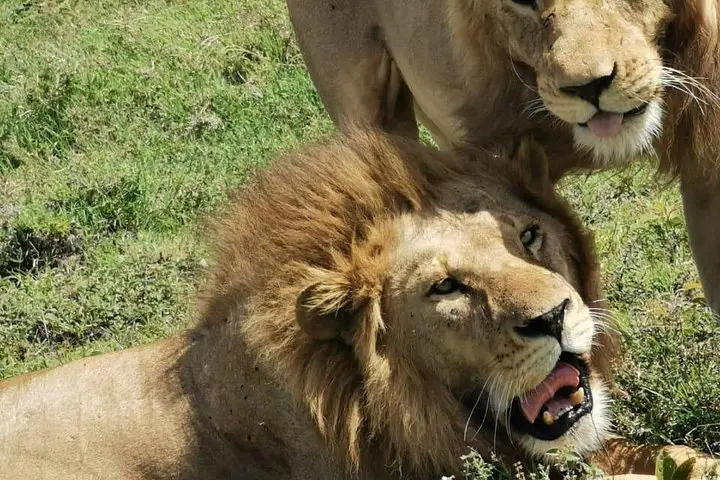
Expect large herds of wildebeest and zebra, as well as predators like lions, hyenas, and cheetahs; the Ngorongoro Crater adds potential sightings of elephant, rhino, and buffalo.
Travelers should consult health advisories for Tanzania (e.g., yellow fever if required) and the tour operator covers park entry and crater fees as part of the package; confirm specifics before booking.
MERU SLOPES TOURS AND SAFARIS operates guided outdoor trips and adventures with an emphasis on safety, stewardship, and memorable experiences.
Dawn spills across the southern Serengeti and the plains wake with a low, constant murmur — hooves beating a slow drum and acacia trees whispering in the breeze. On this four-day route from Arusha to Ndutu and the Ngorongoro Crater, the landscape pushes you forward: grasslands open into marshy soda lakes, then rise to the dramatic rim of an ancient volcanic caldera.
Dawn spills across the southern Serengeti and the plains wake with a low, constant murmur — hooves beating a slow drum and acacia trees whispering in the breeze. On this four-day route from Arusha to Ndutu and the Ngorongoro Crater, the landscape pushes you forward: grasslands open into marshy soda lakes, then rise to the dramatic rim of an ancient volcanic caldera.
The route follows paths well-traveled by wildebeest for millennia. Geologically the crater is a collapsed volcano, its rim a hard circle that traps a rich ecosystem on the floor; Ndutu’s seasonal wetlands form where shallow drainage and volcanic soils retain water long enough for calving. Local Maasai communities have shared this land with wildlife for generations, and their knowledge of migration timing still guides better viewing windows.
Expect close, slow game drives at first and an expansive crater descent on the final day. The calving season (typically February–March) concentrates herds and predators, so sightings can move from distant silhouettes to frenetic action in minutes. Bring binoculars and a zoom lens, but also patience — the environment dictates the pace.
Practical guidance: travel in a 4x4 safari vehicle with a professional guide, plan for early starts and long baking afternoons, and protect yourself from sun, dust, and dehydration. Respect wildlife distances and the park rules; the land is busy with life and requires both curiosity and restraint to enjoy safely.