THE ADVENTURE COLLECTIVE® · Independent discovery and booking for outdoor travel

Board an overnight train from Cairo and wake in Aswan to a four-day Nile cruise that links Abu Simbel, Philae, Kom Ombo, Edfu and Luxor. This compact itinerary pairs rivertime with concentrated temple visits and included train transfers.
Board an overnight train from Cairo and wake in Aswan to a four-day Nile cruise that links Abu Simbel, Philae, Kom Ombo, Edfu and Luxor. This compact itinerary pairs rivertime with concentrated temple visits and included train transfers.
Night settles over Cairo as you climb aboard an overnight sleeper for Aswan; the carriage rocks you toward the Nile, and the river’s current seems to wait. By dawn the city of Aswan rises from the desert haze — palm-lined riverbanks, fishermen tending feluccas, and the blunt silhouette of the High Dam cutting the horizon. Over the next four days the boat becomes basecamp: a compact floating hotel with a pool on the sundeck and a rhythm set by temple visits and sailings between towns.
Verified experiences and guided adventures in the surrounding area.
Operated by Nile Prince Travel · Aswan, Aswan Governorate
Night settles over Cairo as you climb aboard an overnight sleeper for Aswan; the carriage rocks you toward the Nile, and the river’s current seems to wait. By dawn the city of Aswan rises from the desert haze — palm-lined riverbanks, fishermen tending feluccas, and the blunt silhouette of the High Dam cutting the horizon. Over the next four days the boat becomes basecamp: a compact floating hotel with a pool on the sundeck and a rhythm set by temple visits and sailings between towns.
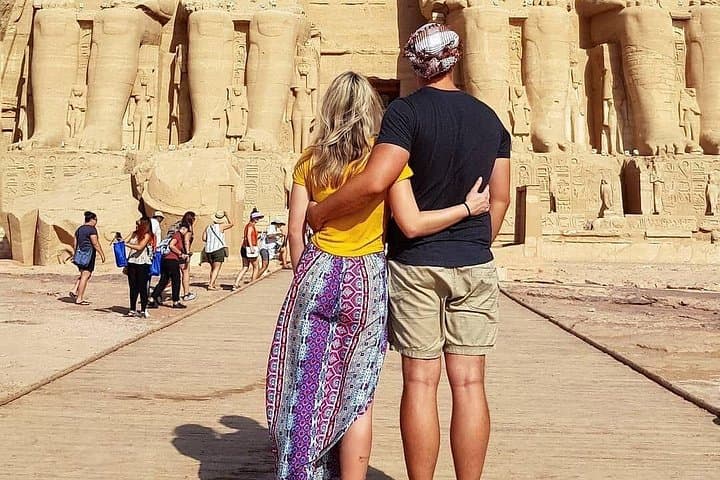
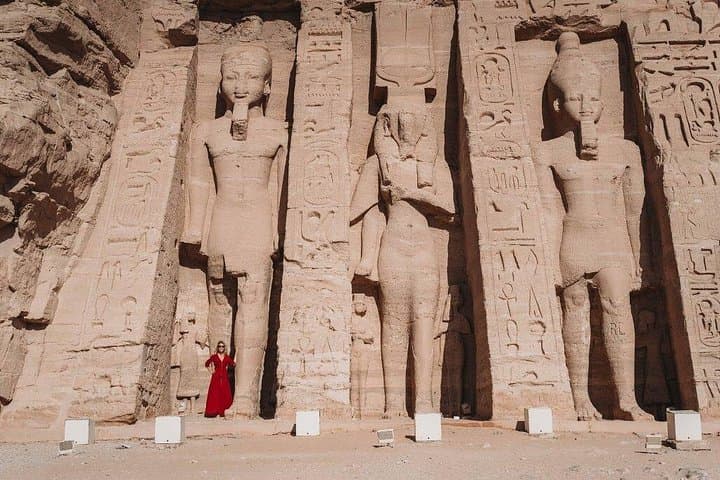
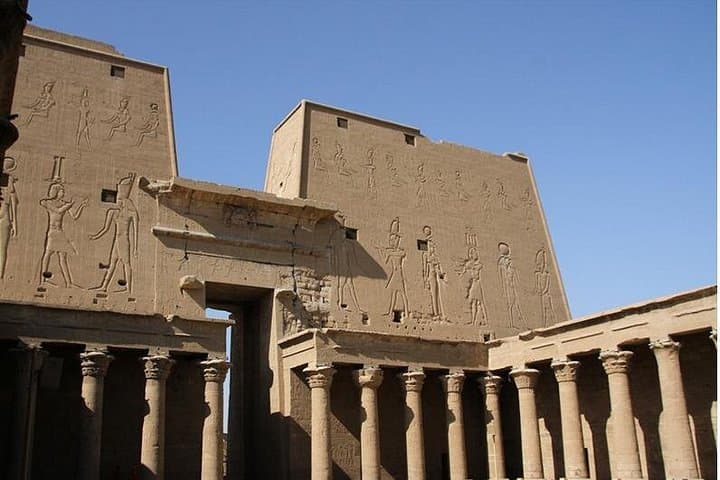
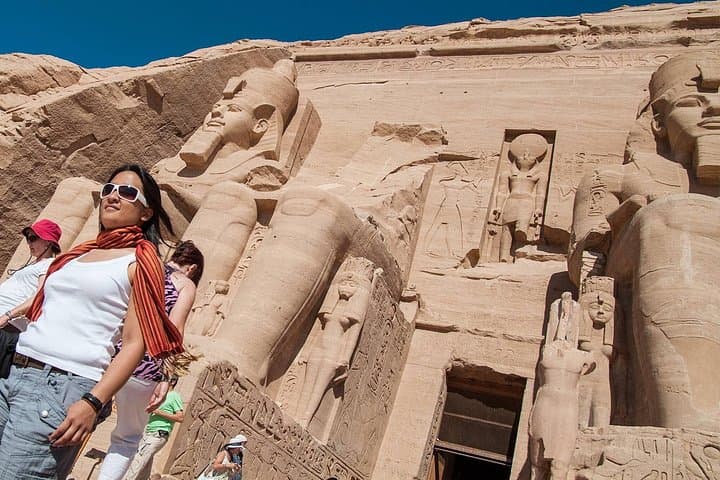
You’ll move through layered history — Philae’s island temples rebuilt stone-by-stone after the dam’s construction, Abu Simbel’s colossal façades that were raised to higher ground during UNESCO’s 1960s Nubia rescue, Kom Ombo’s unusual twin sanctuaries, Edfu’s well-preserved Ptolemaic inscriptions, and Luxor’s Karnak and Valley of the Kings where burial chambers hold millennia of craftsmanship.
Geology and human engineering meet here: Nile silt shaping fertile floodplains, granite quarries at Aswan, and modern concrete at the High Dam. Local culture threads through every stop — Nubian villages, market stalls in Luxor, and boat crews who know the river’s moods.
Practical guidance: expect early starts to beat the heat, sturdy shoes for uneven temple steps, and modest clothing for sacred sites. Bring cash for tips and small purchases; plan for multi-day logistics that include overnight train legs and full-board cruise meals. The itinerary balances relaxed river travel with concentrated archaeology — come prepared to walk, listen, and let the Nile pull you forward.
Most site visits include a professional Egyptologist guide as noted in the itinerary, but confirm which specific entrance fees are covered when you book.
Train tickets from Cairo to Aswan and back are included; sleepers provide bunks and basic amenities—expect an early wake-up for scheduled Aswan sightseeing.
The operator lists wheelchair-accessible options for public areas and transport, but temple access often involves steps and uneven ground—check accessibility needs in advance.
Egyptian pounds are standard; small cash tips for guides, boat crew, and drivers are customary and appreciated.
Nile Prince Travel operates guided outdoor trips and adventures with an emphasis on safety, stewardship, and memorable experiences.
Night settles over Cairo as you climb aboard an overnight sleeper for Aswan; the carriage rocks you toward the Nile, and the river’s current seems to wait. By dawn the city of Aswan rises from the desert haze — palm-lined riverbanks, fishermen tending feluccas, and the blunt silhouette of the High Dam cutting the horizon. Over the next four days the boat becomes basecamp: a compact floating hotel with a pool on the sundeck and a rhythm set by temple visits and sailings between towns.
Night settles over Cairo as you climb aboard an overnight sleeper for Aswan; the carriage rocks you toward the Nile, and the river’s current seems to wait. By dawn the city of Aswan rises from the desert haze — palm-lined riverbanks, fishermen tending feluccas, and the blunt silhouette of the High Dam cutting the horizon. Over the next four days the boat becomes basecamp: a compact floating hotel with a pool on the sundeck and a rhythm set by temple visits and sailings between towns.
You’ll move through layered history — Philae’s island temples rebuilt stone-by-stone after the dam’s construction, Abu Simbel’s colossal façades that were raised to higher ground during UNESCO’s 1960s Nubia rescue, Kom Ombo’s unusual twin sanctuaries, Edfu’s well-preserved Ptolemaic inscriptions, and Luxor’s Karnak and Valley of the Kings where burial chambers hold millennia of craftsmanship.
Geology and human engineering meet here: Nile silt shaping fertile floodplains, granite quarries at Aswan, and modern concrete at the High Dam. Local culture threads through every stop — Nubian villages, market stalls in Luxor, and boat crews who know the river’s moods.
Practical guidance: expect early starts to beat the heat, sturdy shoes for uneven temple steps, and modest clothing for sacred sites. Bring cash for tips and small purchases; plan for multi-day logistics that include overnight train legs and full-board cruise meals. The itinerary balances relaxed river travel with concentrated archaeology — come prepared to walk, listen, and let the Nile pull you forward.