THE ADVENTURE COLLECTIVE® · Independent discovery and booking for outdoor travel

Board an overnight Cairo train, wake up in Aswan, and spend four days cruising the Nile past Abu Simbel, Kom Ombo, Edfu and Luxor’s temples. This compact itinerary pairs comfortable cabin nights with guided visits to Egypt’s most famous archaeological sites.
Board an overnight Cairo train, wake up in Aswan, and spend four days cruising the Nile past Abu Simbel, Kom Ombo, Edfu and Luxor’s temples. This compact itinerary pairs comfortable cabin nights with guided visits to Egypt’s most famous archaeological sites.
The sun drops low over Cairo as you board the evening train; steel tracks rattle and the desert spine unfolds until the Nile reappears at Aswan. By morning you step onto a five‑star cruiser and the river starts to move like a living map — date palms and mud‑brick villages give way to sandstone temples carved for kings who planned eternity.
Verified experiences and guided adventures in the surrounding area.
Operated by Egypt Best Holidays · Aswan, Aswan Governorate
The sun drops low over Cairo as you board the evening train; steel tracks rattle and the desert spine unfolds until the Nile reappears at Aswan. By morning you step onto a five‑star cruiser and the river starts to move like a living map — date palms and mud‑brick villages give way to sandstone temples carved for kings who planned eternity.
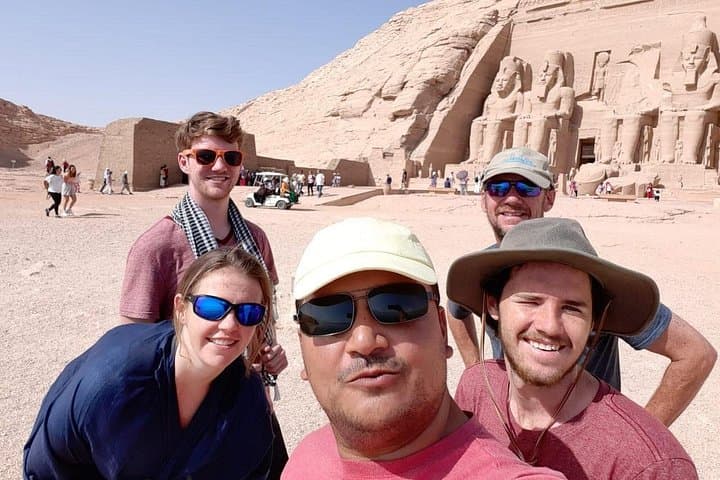
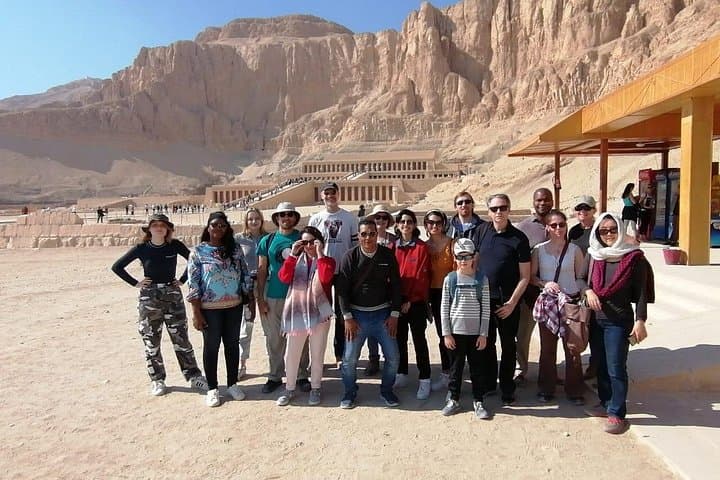
This itinerary threads Egypt’s major pharaonic highlights: the colossal façades of Abu Simbel, the twin sanctuaries of Kom Ombo, the well‑preserved temple of Edfu, and Luxor’s Karnak and Valley of the Kings. Geology here is simple and stark — Nile silt in the valley contrasts with the Precambrian granite islands around Aswan that supplied obelisks and statues. Culturally, the cruise places you where ancient ritual, Nubian communities, and modern tour life intersect — expect Arabic and Nubian influences in music, food, and markets ashore.
Practical guidance: bring a lightweight daypack for temple visits, a brimmed hat and sunscreen for exposed sites, and comfortable shoes for uneven stone surfaces. Entrance fees are typically paid locally (operator notes roughly US$65); carry small bills and a student card if eligible. Consider upgrading to a sleeper carriage for the Cairo–Aswan leg to rest before shore excursions. Hydration and sun management are the two non‑negotiables — daytime temperatures can spike and shade is limited at ruins.
The cruise pace balances guided visits and time on deck; it’s ideal for travelers who want an accessible, classic Nile experience with the convenience of transfers and a professional Egyptologist guide.
Entrance fees are usually paid locally (operator indicated around US$65) and tips for guides/crew are typically not included; bring small notes in Egyptian pounds.
Yes — the operator offers a sleeper upgrade (additional charge, often arranged in advance); a passport copy is usually required to reserve berths.
Many modern sites provide limited accessibility, but ancient temples have steps and uneven surfaces; the operator lists the tour as wheelchair accessible with advance notice and adaptations where possible.
Abu Simbel is part of the itinerary and typically requires a long day (several hours roundtrip from Aswan); check exact departure times as it can be a 4–8 hour excursion.
Egypt Best Holidays operates guided outdoor trips and adventures with an emphasis on safety, stewardship, and memorable experiences.
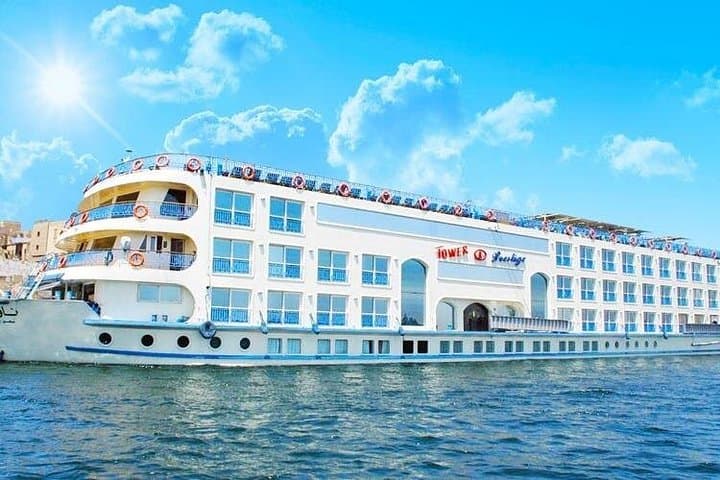

The sun drops low over Cairo as you board the evening train; steel tracks rattle and the desert spine unfolds until the Nile reappears at Aswan. By morning you step onto a five‑star cruiser and the river starts to move like a living map — date palms and mud‑brick villages give way to sandstone temples carved for kings who planned eternity.
The sun drops low over Cairo as you board the evening train; steel tracks rattle and the desert spine unfolds until the Nile reappears at Aswan. By morning you step onto a five‑star cruiser and the river starts to move like a living map — date palms and mud‑brick villages give way to sandstone temples carved for kings who planned eternity.
This itinerary threads Egypt’s major pharaonic highlights: the colossal façades of Abu Simbel, the twin sanctuaries of Kom Ombo, the well‑preserved temple of Edfu, and Luxor’s Karnak and Valley of the Kings. Geology here is simple and stark — Nile silt in the valley contrasts with the Precambrian granite islands around Aswan that supplied obelisks and statues. Culturally, the cruise places you where ancient ritual, Nubian communities, and modern tour life intersect — expect Arabic and Nubian influences in music, food, and markets ashore.
Practical guidance: bring a lightweight daypack for temple visits, a brimmed hat and sunscreen for exposed sites, and comfortable shoes for uneven stone surfaces. Entrance fees are typically paid locally (operator notes roughly US$65); carry small bills and a student card if eligible. Consider upgrading to a sleeper carriage for the Cairo–Aswan leg to rest before shore excursions. Hydration and sun management are the two non‑negotiables — daytime temperatures can spike and shade is limited at ruins.
The cruise pace balances guided visits and time on deck; it’s ideal for travelers who want an accessible, classic Nile experience with the convenience of transfers and a professional Egyptologist guide.