THE ADVENTURE COLLECTIVE® · Independent discovery and booking for outdoor travel

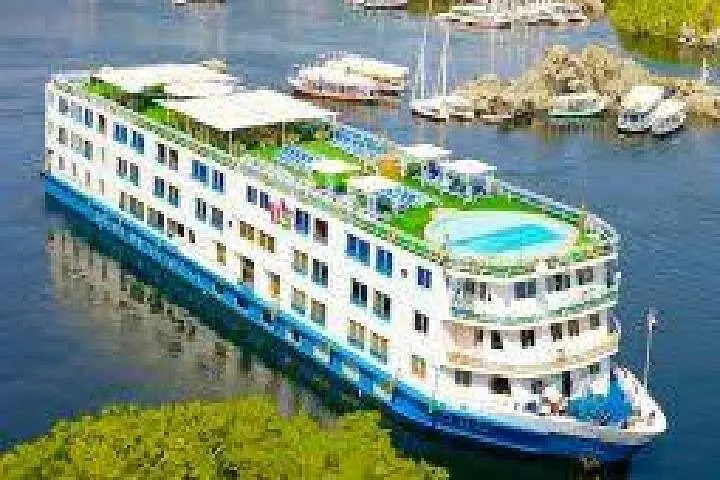
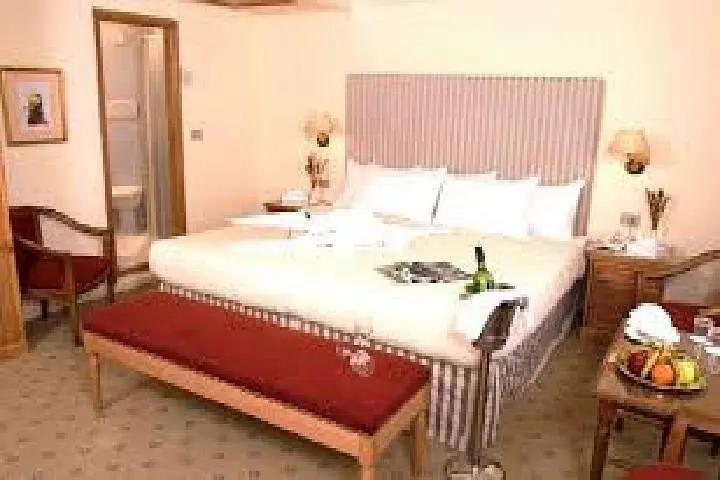
Drift four days down the Nile from Aswan to Luxor, stopping at Abu Simbel, Kom Ombo, Edfu and the temples of Luxor and Karnak. This all-inclusive cruise combines relaxed sailing with guided visits to Egypt’s most iconic riverfront monuments.
Drift four days down the Nile from Aswan to Luxor, stopping at Abu Simbel, Kom Ombo, Edfu and the temples of Luxor and Karnak. This all-inclusive cruise combines relaxed sailing with guided visits to Egypt’s most iconic riverfront monuments.
The boat rocks into the current and the Nile unfurls like a slow-moving road of light — palm-fringed banks sliding past while sandstone cliffs and cultivated fields alternate in a subtle procession. You wake to the call of ferry workmen and the smell of strong coffee on deck; by midmorning the temple pylons appear at the water’s edge, their carved faces catching the sun.
Verified experiences and guided adventures in the surrounding area.
Operated by Adam's Tours · Aswan, Aswan Governorate
The boat rocks into the current and the Nile unfurls like a slow-moving road of light — palm-fringed banks sliding past while sandstone cliffs and cultivated fields alternate in a subtle procession. You wake to the call of ferry workmen and the smell of strong coffee on deck; by midmorning the temple pylons appear at the water’s edge, their carved faces catching the sun.
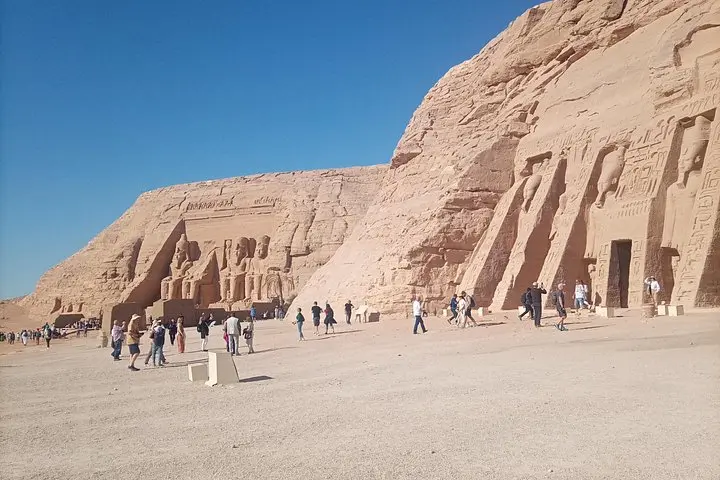
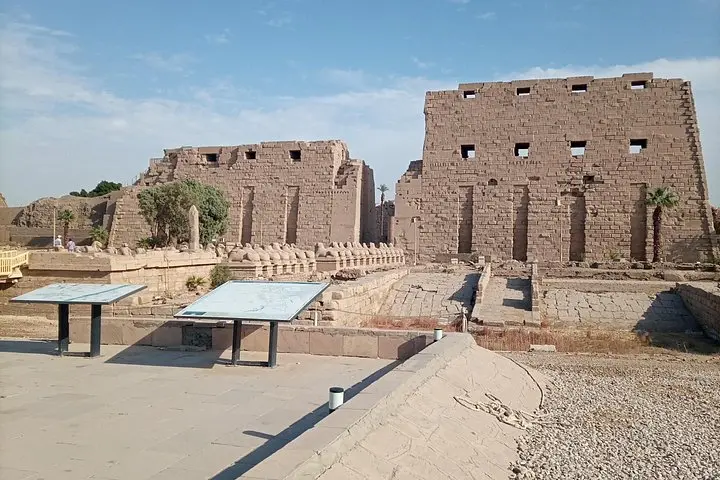
This four-day itinerary follows the river that made pharaonic Egypt possible. Geologically, the Nile corridor slices a fertile ribbon through Nubian granite and sedimentary basins; historically it hosts monuments from Ramesses II’s colossal façades at Abu Simbel to the layered construction at Karnak, where successive dynasties left stone signatures. Local culture remains river-centric: felucca sailors, date farmers and small riverside villages continue traditions that predate modern borders.
Expect guided stops at Philae, Kom Ombo’s dual-temple, the well-preserved Horus complex at Edfu, and Luxor’s temple clusters and West Bank necropolises. The pace is gentle — long deck hours punctuated by short, informative walks on uneven, often sandy surfaces.
Practical guidance: book morning visits and the hot-air balloon early for calm winds; carry sun protection and a small daypack for temple visits; wear closed-toe shoes for steps and loose layers for cool nights. Stay hydrated with a refillable bottle, respect site rules (no flash photography inside tombs) and plan transfers to coincide with cruise docking times. The Nile nudges you forward here — travel with curiosity and basic preparation to make the most of the river’s slow reveal.
Most standard temple entrance fees and a qualified Egyptology guide are included; verify specific site tickets like Abu Simbel and balloon flights when booking.
Vessels generally offer accessible transport and some shore areas are accessible, but many temples have steps and uneven terrain; check with the operator about ramps and assistance.
The itinerary lists a balloon pick-up and flight on the final morning, but confirm whether it’s included or an optional extra when booking as availability can be limited.
Tipping is customary; plan a modest daily tip for the crew and a separate gratuity for the guide based on service — the guide often coordinates logistics and local insights.
Adam's Tours operates guided outdoor trips and adventures with an emphasis on safety, stewardship, and memorable experiences.
The boat rocks into the current and the Nile unfurls like a slow-moving road of light — palm-fringed banks sliding past while sandstone cliffs and cultivated fields alternate in a subtle procession. You wake to the call of ferry workmen and the smell of strong coffee on deck; by midmorning the temple pylons appear at the water’s edge, their carved faces catching the sun.
The boat rocks into the current and the Nile unfurls like a slow-moving road of light — palm-fringed banks sliding past while sandstone cliffs and cultivated fields alternate in a subtle procession. You wake to the call of ferry workmen and the smell of strong coffee on deck; by midmorning the temple pylons appear at the water’s edge, their carved faces catching the sun.
This four-day itinerary follows the river that made pharaonic Egypt possible. Geologically, the Nile corridor slices a fertile ribbon through Nubian granite and sedimentary basins; historically it hosts monuments from Ramesses II’s colossal façades at Abu Simbel to the layered construction at Karnak, where successive dynasties left stone signatures. Local culture remains river-centric: felucca sailors, date farmers and small riverside villages continue traditions that predate modern borders.
Expect guided stops at Philae, Kom Ombo’s dual-temple, the well-preserved Horus complex at Edfu, and Luxor’s temple clusters and West Bank necropolises. The pace is gentle — long deck hours punctuated by short, informative walks on uneven, often sandy surfaces.
Practical guidance: book morning visits and the hot-air balloon early for calm winds; carry sun protection and a small daypack for temple visits; wear closed-toe shoes for steps and loose layers for cool nights. Stay hydrated with a refillable bottle, respect site rules (no flash photography inside tombs) and plan transfers to coincide with cruise docking times. The Nile nudges you forward here — travel with curiosity and basic preparation to make the most of the river’s slow reveal.