THE ADVENTURE COLLECTIVE® · Independent discovery and booking for outdoor travel

Glide from Aswan to Luxor on a four-day Nile cruise that pairs comfortable nights aboard with dawn visits to some of Egypt’s best-preserved temples. Expect felucca sunsets, sandstone quarries, and guided walks through Kom Ombo, Edfu and the Valley of the Kings.
Glide from Aswan to Luxor on a four-day Nile cruise that pairs comfortable nights aboard with dawn visits to some of Egypt’s best-preserved temples. Expect felucca sunsets, sandstone quarries, and guided walks through Kom Ombo, Edfu and the Valley of the Kings.
You board in Aswan as the late-afternoon light slants across the Nile and the ship hums to life. The river moves deliberately here, pushing the boat southward past sandstone bluffs and village docks where children wave from shaded quays. Nights are quiet on deck; days are a rotation of small-boat landings, walkable temples and the steady rhythm of lunch set against rippling water.
Verified experiences and guided adventures in the surrounding area.
Operated by YourTourGuide · Aswan, Aswan Governorate
You board in Aswan as the late-afternoon light slants across the Nile and the ship hums to life. The river moves deliberately here, pushing the boat southward past sandstone bluffs and village docks where children wave from shaded quays. Nights are quiet on deck; days are a rotation of small-boat landings, walkable temples and the steady rhythm of lunch set against rippling water.
This route threads millennia of history: Pharaonic quarry sites at Gebel el Silsila, Greco-Roman temple façades at Kom Ombo, the best-preserved cult architecture at Edfu, and the royal necropolises around Luxor. Geologically the Nile corridor carves a strip of fertile alluvium between desert escarpments, shaping settlements and trade for thousands of years. Expect Nubian cultural touches in Aswan, market life at riverside souks and the evening performances of traditional music on board.
Practically, the program balances afloat comfort with onshore walks—temple visits typically include paved courtyards and steps; your guide will suggest the three best tombs at the Valley of the Kings. Mornings are cooler for photo stops and felucca sails at sunset are the most atmospheric time to be on the water. Bring sun protection, a pair of supportive shoes for uneven stone, and a small daypack for sites and water. Cash is useful for tips and market purchases; dress conservatively at religious and local sites. Whether you come for archaeology, quiet riverside travel or the sensory contrast of desert and Nile, this four-day cruise delivers compact, readable access to Egypt’s most striking riverine highlights.
Most visitors require a visa; check your country’s rules and obtain either an e-visa in advance or a visa on arrival where available.
The cruise itinerary states admissions are included for scheduled temple visits, but special guided access or optional tombs may require separate fees.
The listing notes wheelchair accessibility for many areas, but small-boat transfers and some archaeological sites have steps—confirm specific needs when booking.
Tipping is customary: crew, guides and local drivers expect gratuities—carry small notes in local currency and tip discreetly after services.
YourTourGuide operates guided outdoor trips and adventures with an emphasis on safety, stewardship, and memorable experiences.
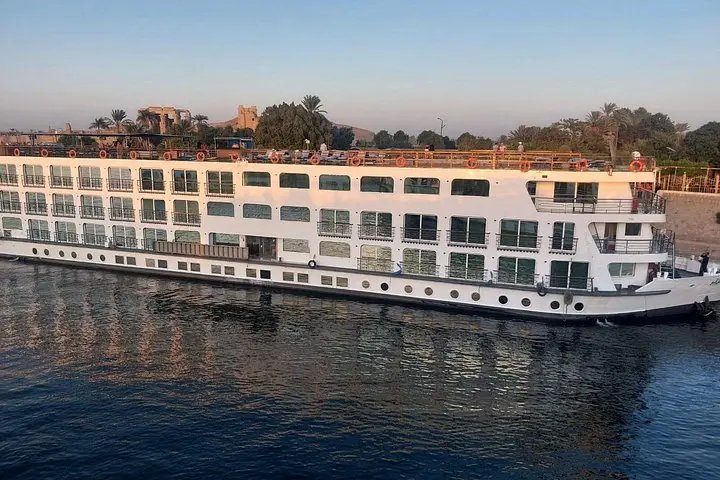
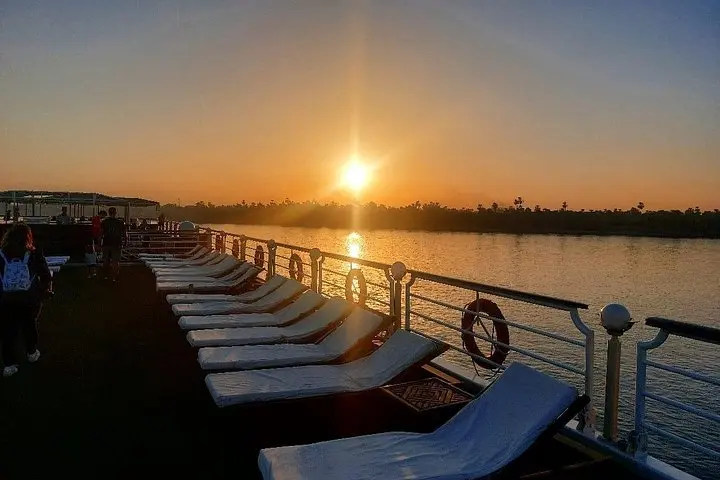
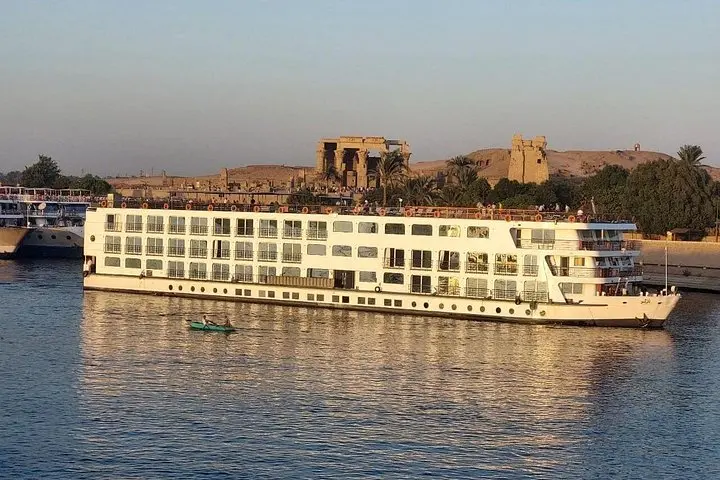
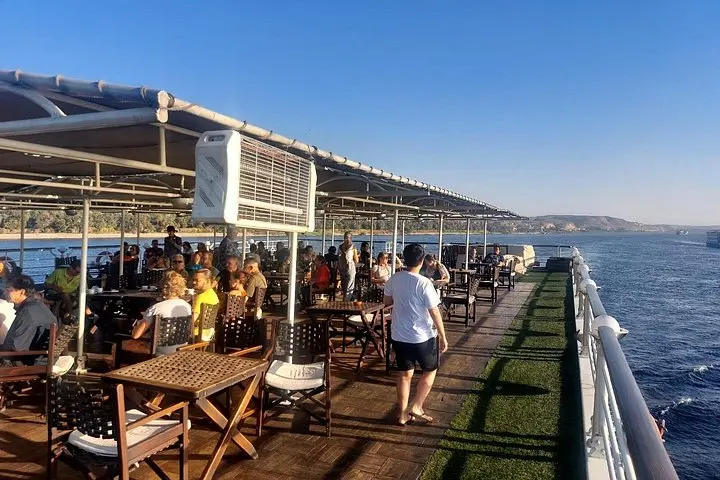
You board in Aswan as the late-afternoon light slants across the Nile and the ship hums to life. The river moves deliberately here, pushing the boat southward past sandstone bluffs and village docks where children wave from shaded quays. Nights are quiet on deck; days are a rotation of small-boat landings, walkable temples and the steady rhythm of lunch set against rippling water.
You board in Aswan as the late-afternoon light slants across the Nile and the ship hums to life. The river moves deliberately here, pushing the boat southward past sandstone bluffs and village docks where children wave from shaded quays. Nights are quiet on deck; days are a rotation of small-boat landings, walkable temples and the steady rhythm of lunch set against rippling water.
This route threads millennia of history: Pharaonic quarry sites at Gebel el Silsila, Greco-Roman temple façades at Kom Ombo, the best-preserved cult architecture at Edfu, and the royal necropolises around Luxor. Geologically the Nile corridor carves a strip of fertile alluvium between desert escarpments, shaping settlements and trade for thousands of years. Expect Nubian cultural touches in Aswan, market life at riverside souks and the evening performances of traditional music on board.
Practically, the program balances afloat comfort with onshore walks—temple visits typically include paved courtyards and steps; your guide will suggest the three best tombs at the Valley of the Kings. Mornings are cooler for photo stops and felucca sails at sunset are the most atmospheric time to be on the water. Bring sun protection, a pair of supportive shoes for uneven stone, and a small daypack for sites and water. Cash is useful for tips and market purchases; dress conservatively at religious and local sites. Whether you come for archaeology, quiet riverside travel or the sensory contrast of desert and Nile, this four-day cruise delivers compact, readable access to Egypt’s most striking riverine highlights.