THE ADVENTURE COLLECTIVE® · Independent discovery and booking for outdoor travel

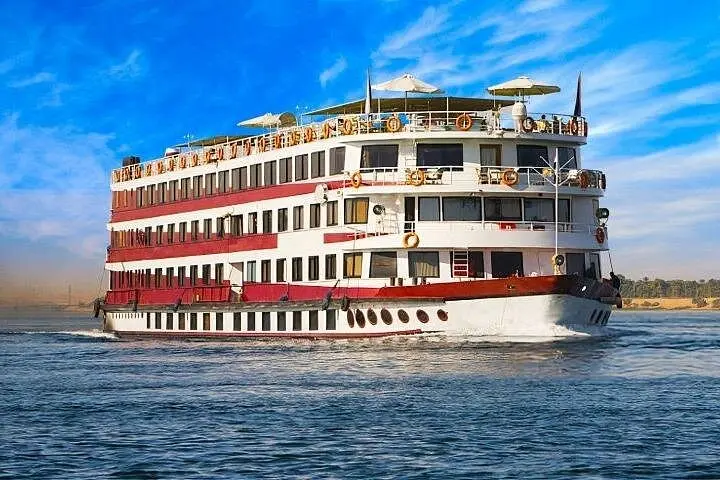
Float between Aswan and Luxor on a four‑day 5-star Nile cruise that pairs slow river sailing with guided visits to Kom Ombo, Edfu, Philae and Luxor’s east and west bank highlights. Expect calm days aboard and early starts for temples and optional Abu Simbel excursions.
Float between Aswan and Luxor on a four‑day 5-star Nile cruise that pairs slow river sailing with guided visits to Kom Ombo, Edfu, Philae and Luxor’s east and west bank highlights. Expect calm days aboard and early starts for temples and optional Abu Simbel excursions.
You step off the dock in Aswan with warm Nile wind pushing at your shirt and the ship’s teak deck humming underfoot. The river moves like a slow promise—broad channels of light and current that carry the cruise past palm-lined banks, fishermen in feluccas, and the low, ochre profile of temple pylons rising above agricultural plots.
Verified experiences and guided adventures in the surrounding area.
Operated by Hola Egipto · Aswan, Aswan Governorate
You step off the dock in Aswan with warm Nile wind pushing at your shirt and the ship’s teak deck humming underfoot. The river moves like a slow promise—broad channels of light and current that carry the cruise past palm-lined banks, fishermen in feluccas, and the low, ochre profile of temple pylons rising above agricultural plots.
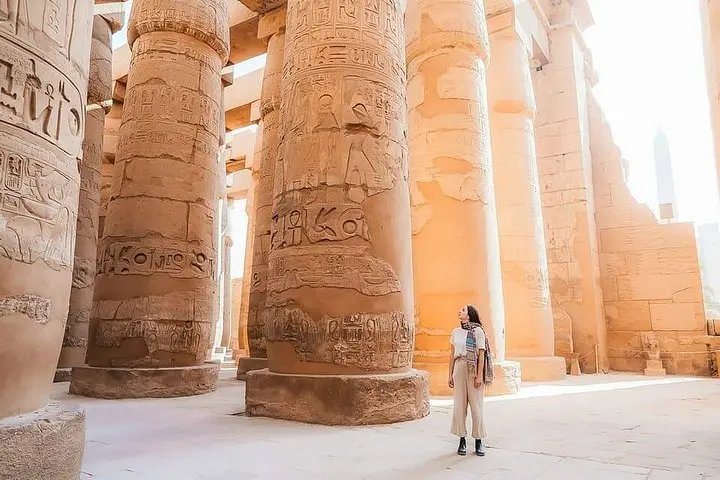
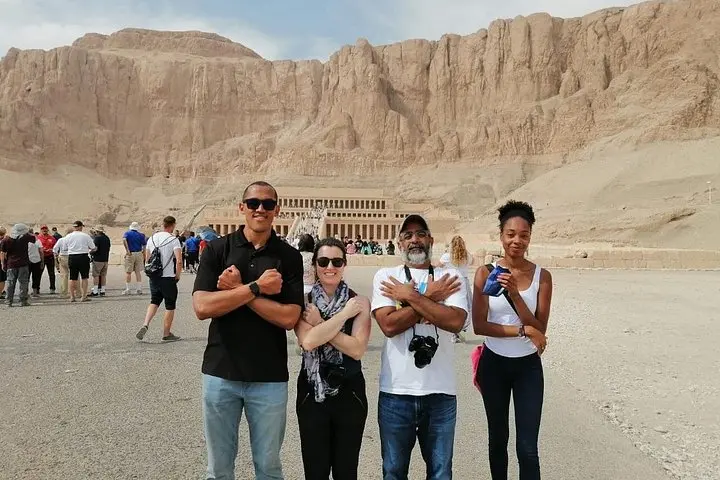
This route threads two millennia of Egyptian history. In Aswan the High Dam and Philae recall modern engineering and Ptolemaic devotion; upriver, Kom Ombo’s paired shrines and Edfu’s Horus temple speak the precise geometry of Greco-Roman temple-building. Luxor’s east and west banks concentrate New Kingdom power: Karnak’s hypostyle forest, the rock-cut tombs of the Valley of the Kings and Hatshepsut’s colonnaded mortuary temple.
Geology is visible everywhere—the Nile’s alluvial ribbon carving a fertile corridor through desert sandstone. Culture arrives in market stalls, Nubian colors on the riverbank, and guided explanations from local Egyptologists who translate hieroglyph panels into human stories.
Practically: the cruise operates at an easy pace—long daylight sails broken by guided temple stops. Expect heat by midday, early starts for major sites, and staggered drop-off in Luxor on day four. Bring sun protection, good walking shoes for uneven temple steps, small bills for tipping and local purchases, and a mindset open to both calm river hours and busy archaeological sites. Optional early-morning side trips (Abu Simbel) and balloon rides over Luxor are commonly offered at additional cost; confirm timing with your operator and plan transfers between east and west banks in advance.
Yes — the itinerary lists breakfast, lunch and dinner on board for the three cruise nights; verify any special dietary needs in advance.
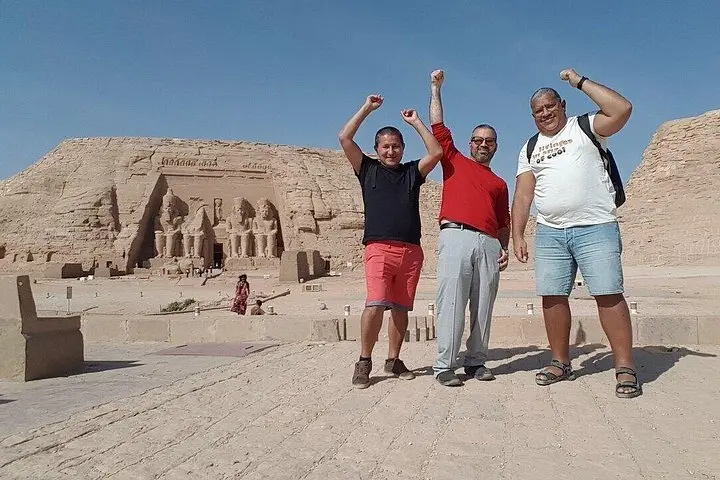
An early-morning optional tour to Abu Simbel is commonly offered; it’s a long day and usually runs at additional cost.
The tour begins in Aswan and ends in Luxor (drop-off to Luxor east bank hotels or train station); confirm transfer details at booking.
The tour notes it is suitable for all fitness levels, but many temple sites have stairs and uneven terrain—ask the operator about specific accessibility arrangements.
Hola Egipto operates guided outdoor trips and adventures with an emphasis on safety, stewardship, and memorable experiences.
You step off the dock in Aswan with warm Nile wind pushing at your shirt and the ship’s teak deck humming underfoot. The river moves like a slow promise—broad channels of light and current that carry the cruise past palm-lined banks, fishermen in feluccas, and the low, ochre profile of temple pylons rising above agricultural plots.
You step off the dock in Aswan with warm Nile wind pushing at your shirt and the ship’s teak deck humming underfoot. The river moves like a slow promise—broad channels of light and current that carry the cruise past palm-lined banks, fishermen in feluccas, and the low, ochre profile of temple pylons rising above agricultural plots.
This route threads two millennia of Egyptian history. In Aswan the High Dam and Philae recall modern engineering and Ptolemaic devotion; upriver, Kom Ombo’s paired shrines and Edfu’s Horus temple speak the precise geometry of Greco-Roman temple-building. Luxor’s east and west banks concentrate New Kingdom power: Karnak’s hypostyle forest, the rock-cut tombs of the Valley of the Kings and Hatshepsut’s colonnaded mortuary temple.
Geology is visible everywhere—the Nile’s alluvial ribbon carving a fertile corridor through desert sandstone. Culture arrives in market stalls, Nubian colors on the riverbank, and guided explanations from local Egyptologists who translate hieroglyph panels into human stories.
Practically: the cruise operates at an easy pace—long daylight sails broken by guided temple stops. Expect heat by midday, early starts for major sites, and staggered drop-off in Luxor on day four. Bring sun protection, good walking shoes for uneven temple steps, small bills for tipping and local purchases, and a mindset open to both calm river hours and busy archaeological sites. Optional early-morning side trips (Abu Simbel) and balloon rides over Luxor are commonly offered at additional cost; confirm timing with your operator and plan transfers between east and west banks in advance.