THE ADVENTURE COLLECTIVE® · Independent discovery and booking for outdoor travel

Float between ancient stones and modern comforts on a four-day Nile cruise from Aswan to Luxor. Visit Philae, Kom Ombo, Edfu, the Valley of the Kings and Karnak while enjoying a relaxed river itinerary.
Float between ancient stones and modern comforts on a four-day Nile cruise from Aswan to Luxor. Visit Philae, Kom Ombo, Edfu, the Valley of the Kings and Karnak while enjoying a relaxed river itinerary.
Dawn on the Nile feels deliberate: the cruise slips away from Aswan, the river’s surface catching light like a ribbon being unrolled. Onboard, the hum of the engines is steady company as palm-lined banks and floodplain farms slide past. You’ll watch minarets and mudbrick houses give way to open desert, then to the monumental stone of dynasties that once ruled the river.
Verified experiences and guided adventures in the surrounding area.
Operated by Hola Egipto · Aswan, Aswan Governorate
Dawn on the Nile feels deliberate: the cruise slips away from Aswan, the river’s surface catching light like a ribbon being unrolled. Onboard, the hum of the engines is steady company as palm-lined banks and floodplain farms slide past. You’ll watch minarets and mudbrick houses give way to open desert, then to the monumental stone of dynasties that once ruled the river.
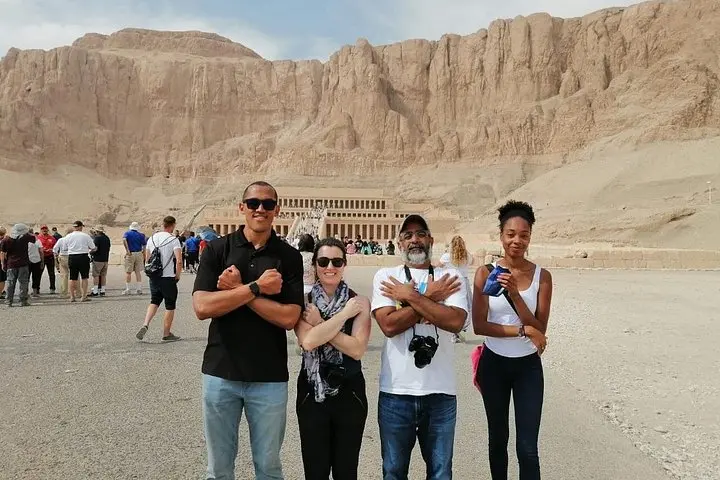
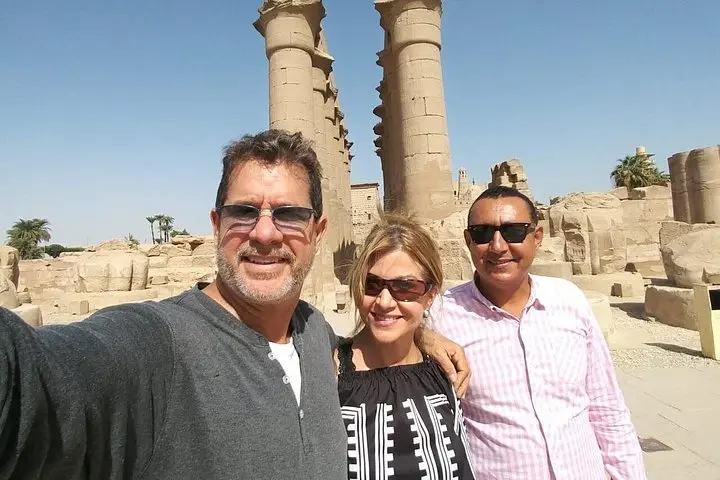
This four-day itinerary pairs leisurely river travel with concentrated archaeological visits: Philae and the High Dam at Aswan, Kom Ombo and Edfu mid-route, and Luxor’s East and West Bank complexes, including the Valley of the Kings and Karnak. Geologically the Nile here has carved a narrow floodplain between granite outcrops and Sahara sands, creating fertile strips that supported ancient civilizations. Culturally, the cruise moves through Nubian and Egyptian communities where local guides provide context for hieroglyphs, burial rites and temple alignments.
Expect guided walks at each temple—uneven stone floors and steps are common—and short motorboat transfers at island sites like Philae. Most days blend shipboard downtime with 2–3 hour onshore visits, so pacing is relaxed but requires steady footing and sun protection.
Practical tips: travel light for shore excursions, carry water and a hat, and plan sightseeing for cooler mornings when possible. Photography is straightforward but check temple rules; some tomb interiors restrict flash. The trip ends in Luxor mid‑afternoon, offering onward travel options by train, plane or private transfer.
Most visitors require a visa—check your nationality for requirements and obtain one in advance or on arrival where applicable.
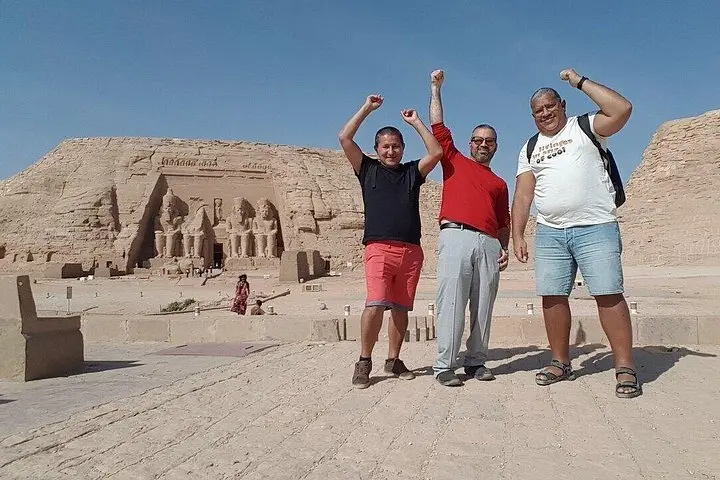
An optional early-morning trip to Abu Simbel is offered; confirm timing and any extra cost when booking as it may be a small-group arrangement.
Visits involve walking and stair climbs on uneven surfaces; they are low-impact but require mobility and care with steep steps inside some tombs.
An English-speaking Egyptology guide is provided, and local staff generally speak English for logistics and assistance.
Hola Egipto operates guided outdoor trips and adventures with an emphasis on safety, stewardship, and memorable experiences.
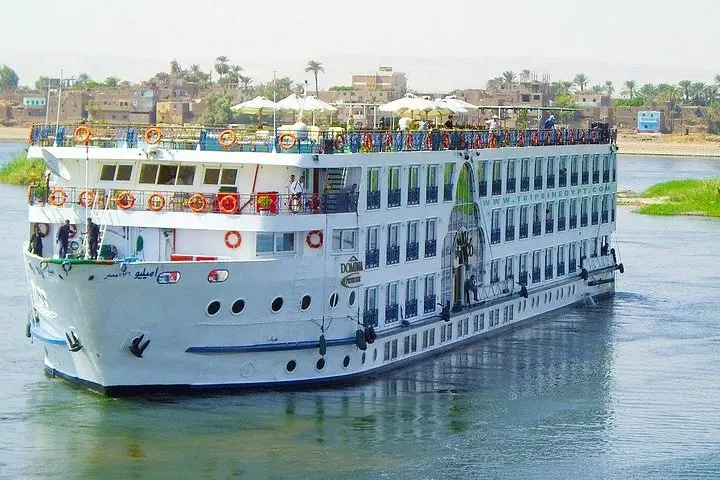
Dawn on the Nile feels deliberate: the cruise slips away from Aswan, the river’s surface catching light like a ribbon being unrolled. Onboard, the hum of the engines is steady company as palm-lined banks and floodplain farms slide past. You’ll watch minarets and mudbrick houses give way to open desert, then to the monumental stone of dynasties that once ruled the river.
Dawn on the Nile feels deliberate: the cruise slips away from Aswan, the river’s surface catching light like a ribbon being unrolled. Onboard, the hum of the engines is steady company as palm-lined banks and floodplain farms slide past. You’ll watch minarets and mudbrick houses give way to open desert, then to the monumental stone of dynasties that once ruled the river.
This four-day itinerary pairs leisurely river travel with concentrated archaeological visits: Philae and the High Dam at Aswan, Kom Ombo and Edfu mid-route, and Luxor’s East and West Bank complexes, including the Valley of the Kings and Karnak. Geologically the Nile here has carved a narrow floodplain between granite outcrops and Sahara sands, creating fertile strips that supported ancient civilizations. Culturally, the cruise moves through Nubian and Egyptian communities where local guides provide context for hieroglyphs, burial rites and temple alignments.
Expect guided walks at each temple—uneven stone floors and steps are common—and short motorboat transfers at island sites like Philae. Most days blend shipboard downtime with 2–3 hour onshore visits, so pacing is relaxed but requires steady footing and sun protection.
Practical tips: travel light for shore excursions, carry water and a hat, and plan sightseeing for cooler mornings when possible. Photography is straightforward but check temple rules; some tomb interiors restrict flash. The trip ends in Luxor mid‑afternoon, offering onward travel options by train, plane or private transfer.