THE ADVENTURE COLLECTIVE® · Independent discovery and booking for outdoor travel

Sail four days from Aswan to Luxor, moving from island temples to royal tombs while watching Nile life unfold from your cruise deck. This itinerary pairs guided Egyptology visits with comfortable on-board time to absorb the river and ruins.
Sail four days from Aswan to Luxor, moving from island temples to royal tombs while watching Nile life unfold from your cruise deck. This itinerary pairs guided Egyptology visits with comfortable on-board time to absorb the river and ruins.
The Nile eases you out of Aswan at dawn, the river pushing the boat forward while farmers and fishermen go about steady rhythms along the banks. On deck the ship’s pool glints under a wide sky; minarets and pharaonic columns rotate through the view like pages in a moving museum.
Verified experiences and guided adventures in the surrounding area.
Operated by Adam's Tours · Aswan, Aswan Governorate
The Nile eases you out of Aswan at dawn, the river pushing the boat forward while farmers and fishermen go about steady rhythms along the banks. On deck the ship’s pool glints under a wide sky; minarets and pharaonic columns rotate through the view like pages in a moving museum.
This four-day voyage threads classical Egyptology with living river culture: Philae’s island temple honors Isis in layered Greco-Roman masonry, Kom Ombo’s dual shrine reflects ancient local cults, and the colossal tombs of the Valley of the Kings speak to New Kingdom ambitions. Geologically the Nile has carved a narrow fertile ribbon through sandstone and limestone escarpments, concentrating settlements and temples where stone was easiest to quarry and water most reliable. Modern notes — the Aswan High Dam and Lake Nasser — reshape the story, protecting villages from seasonal floods while submerging older shorelines.
Expect guided temple walks, short horse-carriage transfers at Edfu, and time on the sundeck watching village life pass. Temples have uneven stone floors and stepped pylons; the Valley of the Kings requires selecting a few tombs due to conservation limits. Dress conservatively for religious sites, carry sun protection, and plan early starts to avoid crowds and heat.
Practical rhythm: mornings for archaeology, afternoons for sailing and photography, evenings for onboard briefings with Egyptologists. Hydrate steadily, keep a light daypack for phones, passports and water, and be ready for short drives and stair-climbs — the reward is close-up contact with 4,000 years of history and the steady, persuasive current of the Nile itself.
The tour lists entrance fees among inclusions, and guides typically handle ticketing for scheduled temple visits; confirm specific tomb entries at booking.
The listing notes wheelchair accessibility for many areas and transportation, but some temple sites and tombs have stairs and narrow passages — check specific access needs with the operator before booking.
October through April offers milder temperatures and more comfortable touring conditions; summer is very hot and best for travelers prepared for high heat.
Tipping is customary in Egypt; plan modest tips for guides, drivers and cruise crew and carry small-denomination Egyptian pounds for easy distribution.
Adam's Tours operates guided outdoor trips and adventures with an emphasis on safety, stewardship, and memorable experiences.

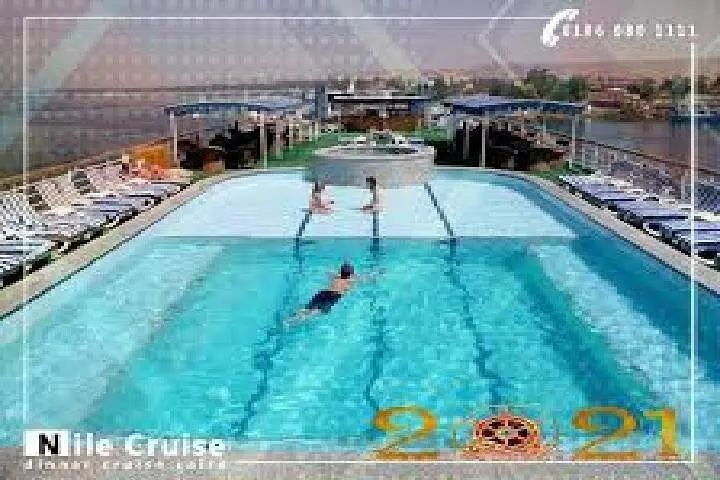
The Nile eases you out of Aswan at dawn, the river pushing the boat forward while farmers and fishermen go about steady rhythms along the banks. On deck the ship’s pool glints under a wide sky; minarets and pharaonic columns rotate through the view like pages in a moving museum.
The Nile eases you out of Aswan at dawn, the river pushing the boat forward while farmers and fishermen go about steady rhythms along the banks. On deck the ship’s pool glints under a wide sky; minarets and pharaonic columns rotate through the view like pages in a moving museum.
This four-day voyage threads classical Egyptology with living river culture: Philae’s island temple honors Isis in layered Greco-Roman masonry, Kom Ombo’s dual shrine reflects ancient local cults, and the colossal tombs of the Valley of the Kings speak to New Kingdom ambitions. Geologically the Nile has carved a narrow fertile ribbon through sandstone and limestone escarpments, concentrating settlements and temples where stone was easiest to quarry and water most reliable. Modern notes — the Aswan High Dam and Lake Nasser — reshape the story, protecting villages from seasonal floods while submerging older shorelines.
Expect guided temple walks, short horse-carriage transfers at Edfu, and time on the sundeck watching village life pass. Temples have uneven stone floors and stepped pylons; the Valley of the Kings requires selecting a few tombs due to conservation limits. Dress conservatively for religious sites, carry sun protection, and plan early starts to avoid crowds and heat.
Practical rhythm: mornings for archaeology, afternoons for sailing and photography, evenings for onboard briefings with Egyptologists. Hydrate steadily, keep a light daypack for phones, passports and water, and be ready for short drives and stair-climbs — the reward is close-up contact with 4,000 years of history and the steady, persuasive current of the Nile itself.