THE ADVENTURE COLLECTIVE® · Independent discovery and booking for outdoor travel

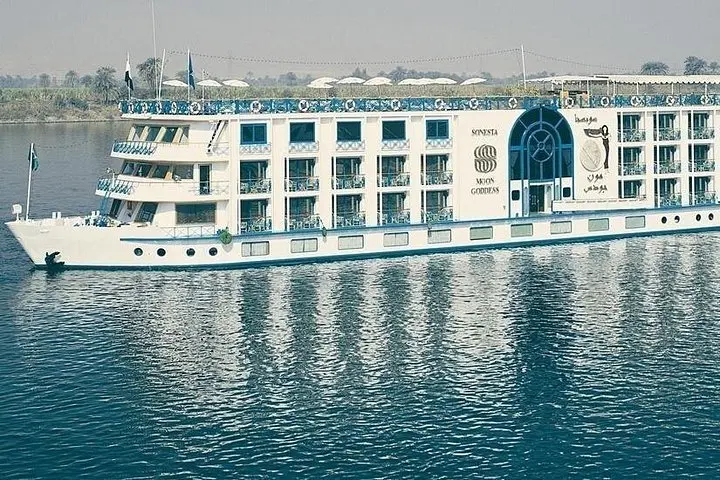
Glide between Aswan and Luxor on a four-day Nile cruise that pairs relaxed river life with guided visits to Philae, Kom Ombo, Edfu, Karnak and the Valley of the Kings. Expect elegant cabins, full-board meals, and expert Egyptologist-led shore excursions.
Glide between Aswan and Luxor on a four-day Nile cruise that pairs relaxed river life with guided visits to Philae, Kom Ombo, Edfu, Karnak and the Valley of the Kings. Expect elegant cabins, full-board meals, and expert Egyptologist-led shore excursions.
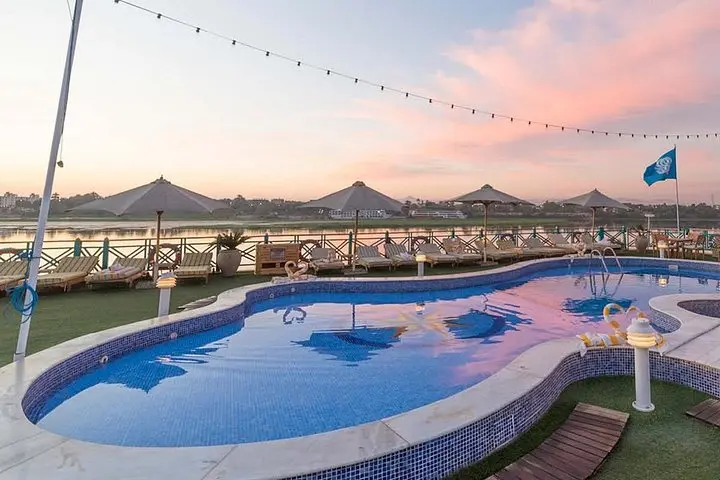
Dawn arrives slow over the Nile; light unspools across flat water and the cruise’s sun deck fills with quiet conversation and steaming coffee. Aswan slips astern, the river daring you forward past palm fringes, high desert ridges, and the low, carved silhouettes of temples that have watched the current for millennia.
Verified experiences and guided adventures in the surrounding area.
Operated by Saray El-Nile · Aswan, Aswan Governorate
Dawn arrives slow over the Nile; light unspools across flat water and the cruise’s sun deck fills with quiet conversation and steaming coffee. Aswan slips astern, the river daring you forward past palm fringes, high desert ridges, and the low, carved silhouettes of temples that have watched the current for millennia.
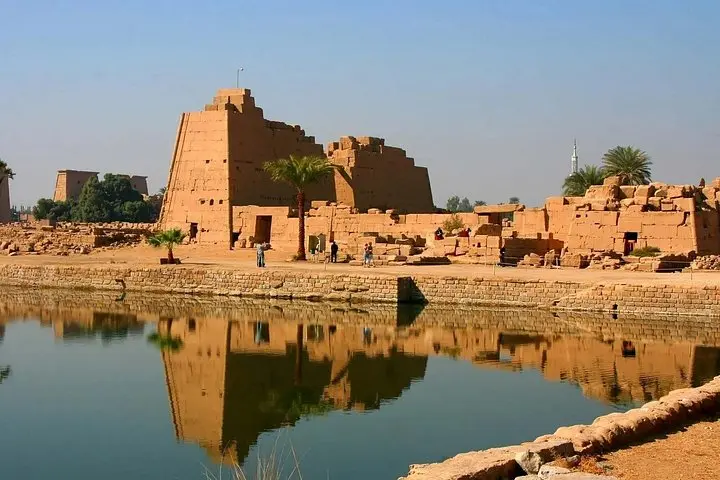
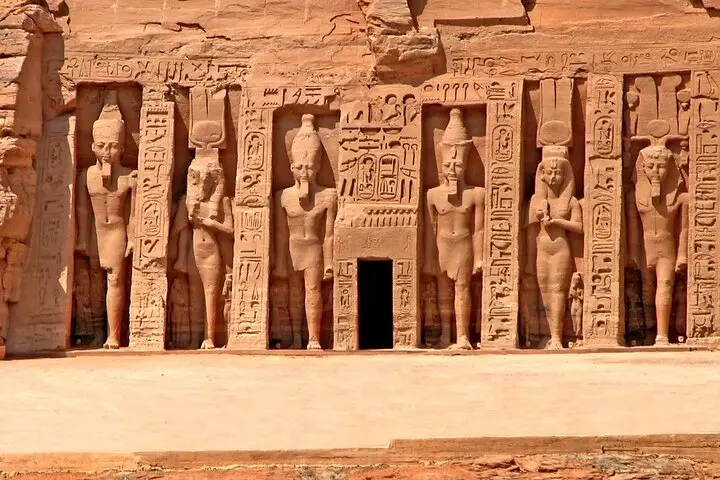
This four-day voyage covers roughly 230–250 km of the Nile between Aswan and Luxor, stopping at Philae, Kom Ombo, Edfu, and the great complexes on Luxor’s East and West Banks. Geologically the river knifes through Nubian granite and Pleistocene sands; its alluvial floodplain explains why pharaonic civilization concentrated here. Culturally, an Egyptologist’s commentary reframes hieroglyphs, cult practice, and funerary architecture into human stories—mummified crocodiles in Kom Ombo’s museum, the carefully oriented tombs in the Valley of the Kings, Karnak’s forest of columns.
Onboard life balances comfort and movement: elegant cabins with Nile views, full-board meals, and deck time to watch village life and bird flocks. Shore excursions require walking on uneven stone, climbing temple ramps and steps, and short motorboat transfers (Philae) that are exposed to sun and spray.
Practical guide: pack lightweight layers, a wide-brim hat, sturdy walking shoes and a reusable water bottle; plan excursions in morning or late afternoon to avoid peak heat; carry local currency for small purchases and tips; and expect moderate mobility needs—most sites have steps and short walks. The cruise is an accessible way to pair relaxed river travel with intensive archaeological exploration.
Admissions for the tour-specified sites are typically included in organized cruise packages, but check your booking details—certain optional tombs or special access tickets may cost extra.
Most travelers to Egypt require a valid passport and a visa; requirements depend on nationality—confirm with Egyptian consular services and ensure passport validity covers your travel dates.
Service charges may be included for onboard staff, but local guides, drivers and small-boat operators are usually tipped separately; bring small notes for gratuities.
The cruise offers comfortable cabins and deck access, but shore excursions include steps and uneven ground; travelers with limited mobility should discuss specific accessibility needs before booking.
Saray El-Nile operates guided outdoor trips and adventures with an emphasis on safety, stewardship, and memorable experiences.
Dawn arrives slow over the Nile; light unspools across flat water and the cruise’s sun deck fills with quiet conversation and steaming coffee. Aswan slips astern, the river daring you forward past palm fringes, high desert ridges, and the low, carved silhouettes of temples that have watched the current for millennia.
Dawn arrives slow over the Nile; light unspools across flat water and the cruise’s sun deck fills with quiet conversation and steaming coffee. Aswan slips astern, the river daring you forward past palm fringes, high desert ridges, and the low, carved silhouettes of temples that have watched the current for millennia.
This four-day voyage covers roughly 230–250 km of the Nile between Aswan and Luxor, stopping at Philae, Kom Ombo, Edfu, and the great complexes on Luxor’s East and West Banks. Geologically the river knifes through Nubian granite and Pleistocene sands; its alluvial floodplain explains why pharaonic civilization concentrated here. Culturally, an Egyptologist’s commentary reframes hieroglyphs, cult practice, and funerary architecture into human stories—mummified crocodiles in Kom Ombo’s museum, the carefully oriented tombs in the Valley of the Kings, Karnak’s forest of columns.
Onboard life balances comfort and movement: elegant cabins with Nile views, full-board meals, and deck time to watch village life and bird flocks. Shore excursions require walking on uneven stone, climbing temple ramps and steps, and short motorboat transfers (Philae) that are exposed to sun and spray.
Practical guide: pack lightweight layers, a wide-brim hat, sturdy walking shoes and a reusable water bottle; plan excursions in morning or late afternoon to avoid peak heat; carry local currency for small purchases and tips; and expect moderate mobility needs—most sites have steps and short walks. The cruise is an accessible way to pair relaxed river travel with intensive archaeological exploration.