THE ADVENTURE COLLECTIVE® · Independent discovery and booking for outdoor travel

Sail four days down the Nile from Aswan to Luxor, stopping at Philae, Kom Ombo, Edfu and the temples of Luxor. This full‑board cruise pairs relaxed river travel with guided visits to some of Egypt’s most iconic archaeological sites.
Sail four days down the Nile from Aswan to Luxor, stopping at Philae, Kom Ombo, Edfu and the temples of Luxor. This full‑board cruise pairs relaxed river travel with guided visits to some of Egypt’s most iconic archaeological sites.
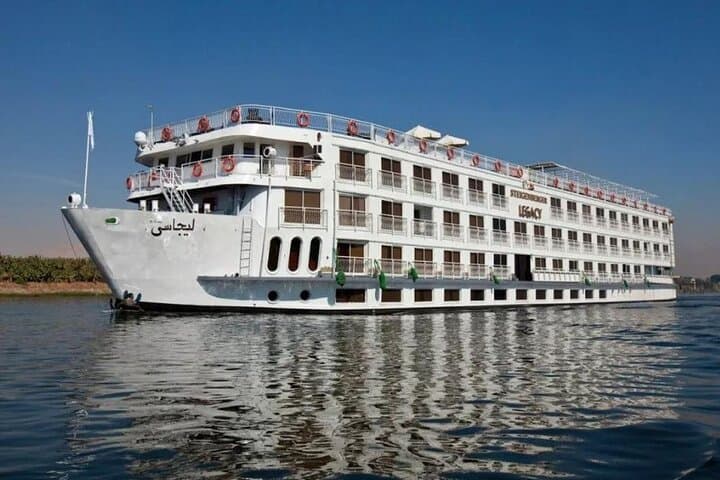
You board at Aswan as the river slows into broad light; the cruise slips away from the city with a low hum, palm-fringed banks and mud-brick villages passing like a low-relief map.
Verified experiences and guided adventures in the surrounding area.
Operated by Travelling To Egypt · Aswan, Aswan Governorate
You board at Aswan as the river slows into broad light; the cruise slips away from the city with a low hum, palm-fringed banks and mud-brick villages passing like a low-relief map.
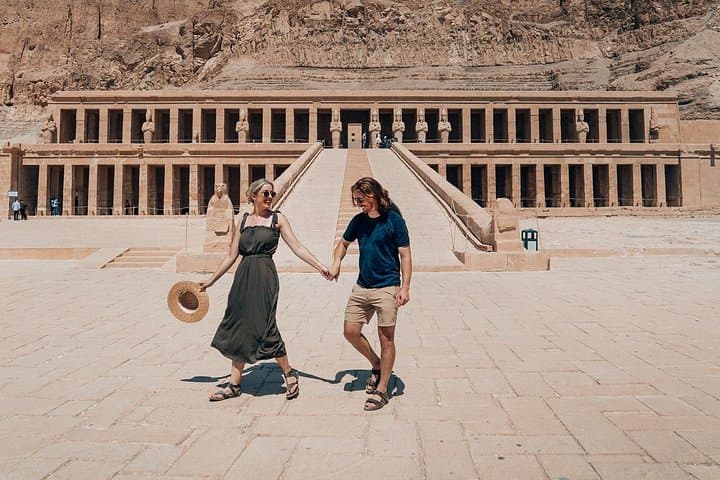
Across four days the Nile becomes your road and classroom. Morning visits to Philae, Kom Ombo and Edfu place Ptolemaic pylons, carved reliefs and crocodile shrines in sequence. On the western bank at Luxor, dry cliffs frame the Valley of the Kings where tomb entrances cut into limestone, while the east bank opens to massed columns of Karnak and the intimate courtyards of Luxor Temple.
Geology here is straightforward: a fertile alluvial strip hugged by desert scarps that preserve pharaonic monuments in dry, stable stone. Culture is river‑centric — feluccas, farmers, and seasonal crops still depend on Nile rhythms that shaped ancient ritual and modern livelihoods.
Practically, expect three nights on a full-board, mid- to upper-range Nile vessel with daily guided excursions and short coach transfers. Most walking at sites is on compacted paths and stone steps; staircases and uneven thresholds are common. Bring sun protection, comfortable walking shoes, and a small daypack for cameras and water. Passport and visas are essential; tipping native guides and crew is customary. Mornings are best for fragile reliefs and cooler air; late afternoons are ideal for photography as golden light sculpts temples.
This cruise balances relaxed river travel with concentrated cultural stops — a low‑effort, high‑engagement way to move through Egypt’s longest museum.
Visa requirements depend on your nationality; most visitors obtain an Egyptian visa on arrival or in advance — check your embassy guidance before travel.
Yes — this itinerary includes full board (breakfast, lunch and dinner) during the three nights aboard the Nile cruise ship.
The cruise itself is low-impact, but many temple sites have steps and uneven ground; travelers with limited mobility should contact the operator to confirm accessibility and assistance options.
Tipping guides and crew is customary; a modest daily amount for the cabin steward and a larger tip for the head guide at trip end is standard practice.
Travelling To Egypt operates guided outdoor trips and adventures with an emphasis on safety, stewardship, and memorable experiences.

You board at Aswan as the river slows into broad light; the cruise slips away from the city with a low hum, palm-fringed banks and mud-brick villages passing like a low-relief map.
You board at Aswan as the river slows into broad light; the cruise slips away from the city with a low hum, palm-fringed banks and mud-brick villages passing like a low-relief map.
Across four days the Nile becomes your road and classroom. Morning visits to Philae, Kom Ombo and Edfu place Ptolemaic pylons, carved reliefs and crocodile shrines in sequence. On the western bank at Luxor, dry cliffs frame the Valley of the Kings where tomb entrances cut into limestone, while the east bank opens to massed columns of Karnak and the intimate courtyards of Luxor Temple.
Geology here is straightforward: a fertile alluvial strip hugged by desert scarps that preserve pharaonic monuments in dry, stable stone. Culture is river‑centric — feluccas, farmers, and seasonal crops still depend on Nile rhythms that shaped ancient ritual and modern livelihoods.
Practically, expect three nights on a full-board, mid- to upper-range Nile vessel with daily guided excursions and short coach transfers. Most walking at sites is on compacted paths and stone steps; staircases and uneven thresholds are common. Bring sun protection, comfortable walking shoes, and a small daypack for cameras and water. Passport and visas are essential; tipping native guides and crew is customary. Mornings are best for fragile reliefs and cooler air; late afternoons are ideal for photography as golden light sculpts temples.
This cruise balances relaxed river travel with concentrated cultural stops — a low‑effort, high‑engagement way to move through Egypt’s longest museum.