THE ADVENTURE COLLECTIVE® · Independent discovery and booking for outdoor travel

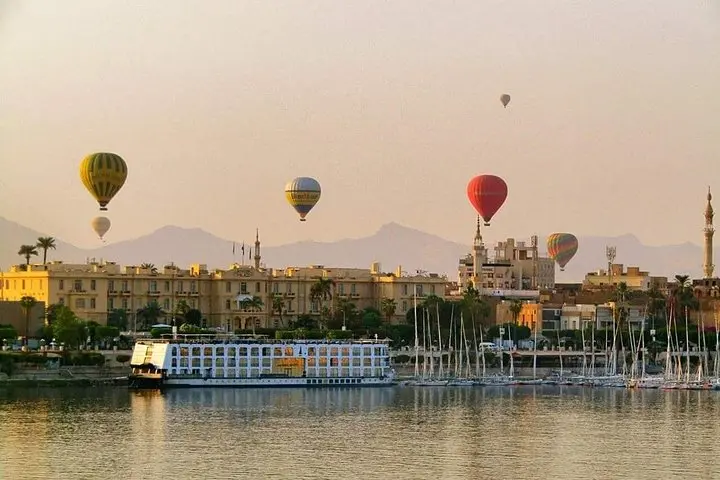
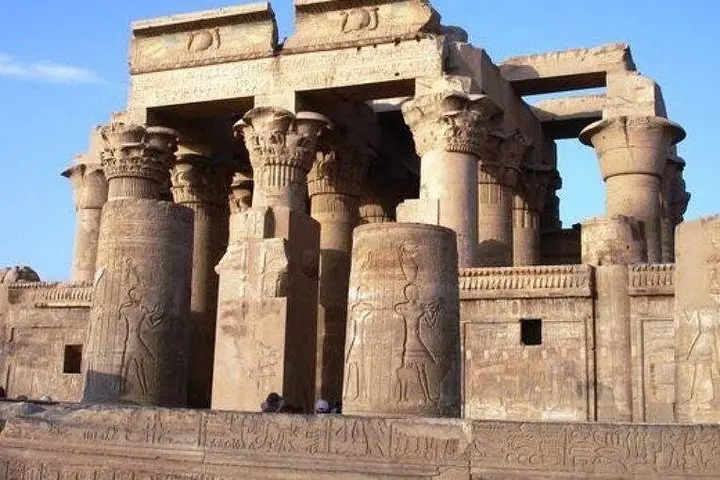
Drift down the Nile from Aswan to Luxor on a four-day cruise that pairs comfortable cabins and sun decks with guided visits to Philae, Kom Ombo, Edfu and Luxor’s West Bank. Optional dawn hot-air ballooning adds a silent, panoramic perspective over ancient Thebes.
Drift down the Nile from Aswan to Luxor on a four-day cruise that pairs comfortable cabins and sun decks with guided visits to Philae, Kom Ombo, Edfu and Luxor’s West Bank. Optional dawn hot-air ballooning adds a silent, panoramic perspective over ancient Thebes.
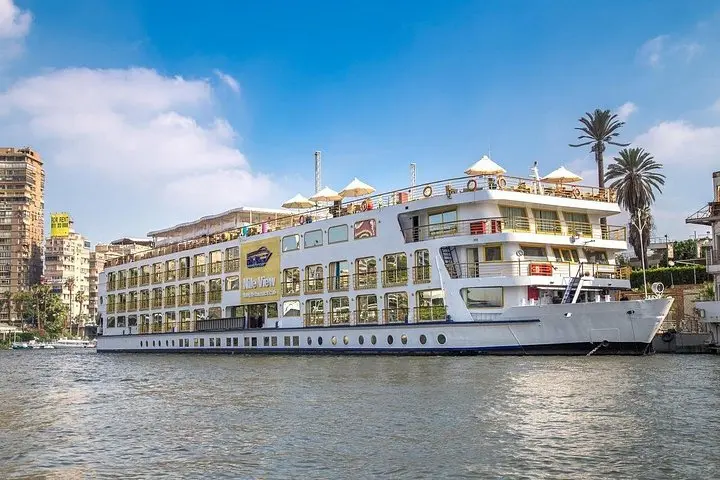
You step onto the sun-warmed teak of a Nile cruiser as the river slides past palm fringes and mud-brick villages that have changed little in a century. Early light lifts mist off the river; feluccas cut across the shimmer and the ship eases away from Aswan toward temples that rise out of sand and stone like carved memories.
Verified experiences and guided adventures in the surrounding area.
Operated by Egypt Travel Line · Aswan, Aswan Governorate
You step onto the sun-warmed teak of a Nile cruiser as the river slides past palm fringes and mud-brick villages that have changed little in a century. Early light lifts mist off the river; feluccas cut across the shimmer and the ship eases away from Aswan toward temples that rise out of sand and stone like carved memories.
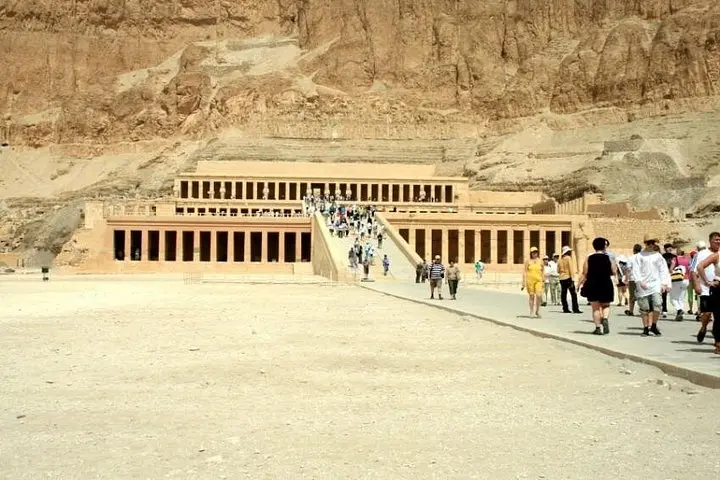
This itinerary threads living history and modern comfort: an Egyptologist guides visits to Philae, Kom Ombo, Edfu, the Valley of the Kings and Karnak, while the boat provides cabins, a sundeck pool and meals. Geologically the Nile’s floodplain traces ancient alluvial deposits that made Upper Egypt fertile; culturally, the route follows the artery pilgrims and pharaohs used to move people, goods and ideas.
Expect dry desert heat by day and cool, breezy nights on deck. Temple visits require negotiating steep steps, confined tomb passages and uneven stone floors; the optional hot-air balloon over Luxor gives a silent, wide-angle view of temples and irrigation channels at dawn when the river becomes a ribbon of light.
Practical guidance: carry a wide-brim hat, at least 2–3 liters of water per day, and lightweight closed shoes for temple rubble. Bring a photocopy of your passport and local cash for small vendors and tomb entry extras. Plan for early starts — the light is best and crowds are thinnest — and allow time between guided briefings and unguided exploration. With basic planning, the cruise balances relaxed river travel and concentrated archaeology into a compact, memorable four-day journey.
No—the balloon is optional, weather-dependent and typically booked and paid for locally or in advance as an extra.
Most sites require walking on uneven stone and climbing stairs; tomb interiors can be narrow and require stooping but do not demand technical climbing skills.
Carry Egyptian pounds for small purchases and tips; major cards may work in larger establishments, but cash is necessary at many sites and markets.
The ship provides accessible transportation options and many areas are wheelchair-accessible, but some archaeological sites have limited accessibility due to stairs and uneven ground.
Egypt Travel Line operates guided outdoor trips and adventures with an emphasis on safety, stewardship, and memorable experiences.
You step onto the sun-warmed teak of a Nile cruiser as the river slides past palm fringes and mud-brick villages that have changed little in a century. Early light lifts mist off the river; feluccas cut across the shimmer and the ship eases away from Aswan toward temples that rise out of sand and stone like carved memories.
You step onto the sun-warmed teak of a Nile cruiser as the river slides past palm fringes and mud-brick villages that have changed little in a century. Early light lifts mist off the river; feluccas cut across the shimmer and the ship eases away from Aswan toward temples that rise out of sand and stone like carved memories.
This itinerary threads living history and modern comfort: an Egyptologist guides visits to Philae, Kom Ombo, Edfu, the Valley of the Kings and Karnak, while the boat provides cabins, a sundeck pool and meals. Geologically the Nile’s floodplain traces ancient alluvial deposits that made Upper Egypt fertile; culturally, the route follows the artery pilgrims and pharaohs used to move people, goods and ideas.
Expect dry desert heat by day and cool, breezy nights on deck. Temple visits require negotiating steep steps, confined tomb passages and uneven stone floors; the optional hot-air balloon over Luxor gives a silent, wide-angle view of temples and irrigation channels at dawn when the river becomes a ribbon of light.
Practical guidance: carry a wide-brim hat, at least 2–3 liters of water per day, and lightweight closed shoes for temple rubble. Bring a photocopy of your passport and local cash for small vendors and tomb entry extras. Plan for early starts — the light is best and crowds are thinnest — and allow time between guided briefings and unguided exploration. With basic planning, the cruise balances relaxed river travel and concentrated archaeology into a compact, memorable four-day journey.