THE ADVENTURE COLLECTIVE® · Independent discovery and booking for outdoor travel

Fly from Cairo to Aswan, then glide north on a three‑night Nile cruise that links Philae, Kom Ombo, Edfu and Luxor. Expect short guided walks at major temples, warm days, and evenings spent aboard a comfortable, full‑board vessel.
Fly from Cairo to Aswan, then glide north on a three‑night Nile cruise that links Philae, Kom Ombo, Edfu and Luxor. Expect short guided walks at major temples, warm days, and evenings spent aboard a comfortable, full‑board vessel.
You step off a short domestic flight into Aswan’s dry, warm air and the Nile greets you like a slow-moving road — wide, reflective, daring you to slow down. The cruise waits at the quay: white decks, cool shade, and a steady pulse of motor and oars as feluccas cut the water. Boarding before lunch, you trade city noise for the river’s cadence as the boat pushes north toward Kom Ombo.
Verified experiences and guided adventures in the surrounding area.
Operated by Booking2Egypt · Aswan, Aswan Governorate
You step off a short domestic flight into Aswan’s dry, warm air and the Nile greets you like a slow-moving road — wide, reflective, daring you to slow down. The cruise waits at the quay: white decks, cool shade, and a steady pulse of motor and oars as feluccas cut the water. Boarding before lunch, you trade city noise for the river’s cadence as the boat pushes north toward Kom Ombo.
This itinerary threads together Pharaonic and Graeco‑Roman landmarks: the rock-stable High Dam and Philae’s island temple in Aswan, the dual sanctuary of Kom Ombo dedicated to Sobek and Haroeris, the preserved Ptolemaic reliefs at Edfu’s Temple of Horus, and the concentrated funerary art of Luxor’s West Bank — including Hatshepsut’s mortuary temple and the Valley of the Kings.
Geology here is simple and honest: the Nile’s alluvial plain slices through Nubian sandstone and conglomerate, carving low cliffs and depositing rich silt that fed ancient agriculture and temple economies. Local culture remains river-focused — Nubian settlements, market stalls, and temple rituals all pivot around water and shade.
Practical edge: expect short guided walks on uneven stone, stairs into tombs, and sun that intensifies by midday. Carry SPF, a brimmed hat, sturdy walking shoes, and refillable water; plan early-morning or late‑afternoon visits to avoid peak heat. Entrance fees for some tombs (King Tutankhamun) may be extra and reserves move fast — bring copies of your passport for permits. Mobility is generally accessible onboard, but shore transfers involve steps and gangways. This cruise balances slow travel with concentrated site visits — a compact way to read Egypt’s riverine history by day and sleep afloat under the same stars that guided ancient sailors.
Most nationalities need an Egyptian entry visa obtained before travel or on arrival; visa and entry rules depend on your passport—check current Egyptian government guidance before booking.
The basic itinerary includes entrance fees for primary sights, but some special tombs (e.g., Tutankhamun) require separate tickets that may be paid on site or prebooked.
The listing notes wheelchair accessibility for main areas and transfers, but shore landings often involve steps and gangways—contact the operator about specific mobility needs before booking.
Tipping is customary; plan roughly USD 5–10 per day for local guides and a similar amount per passenger for boat crew, adjusted for service and group size.
Booking2Egypt operates guided outdoor trips and adventures with an emphasis on safety, stewardship, and memorable experiences.
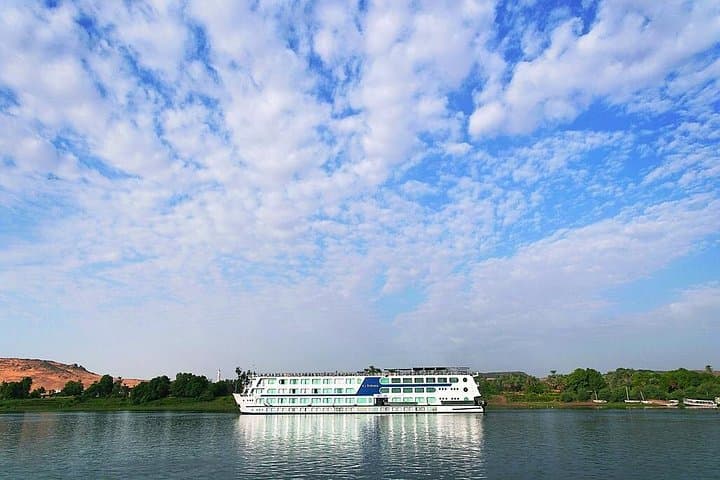
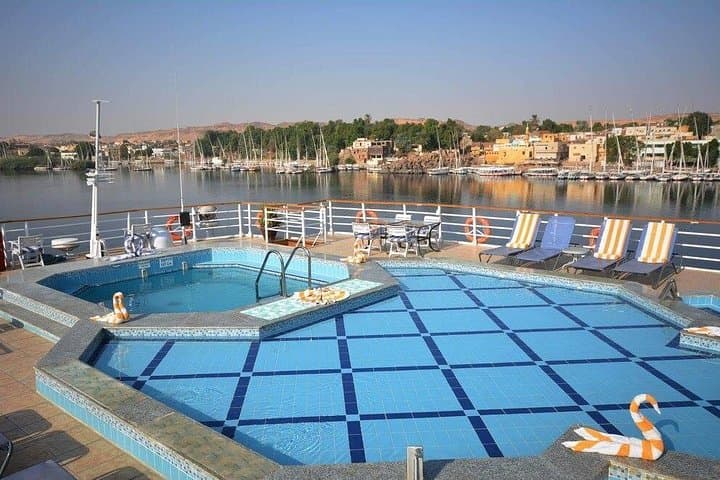

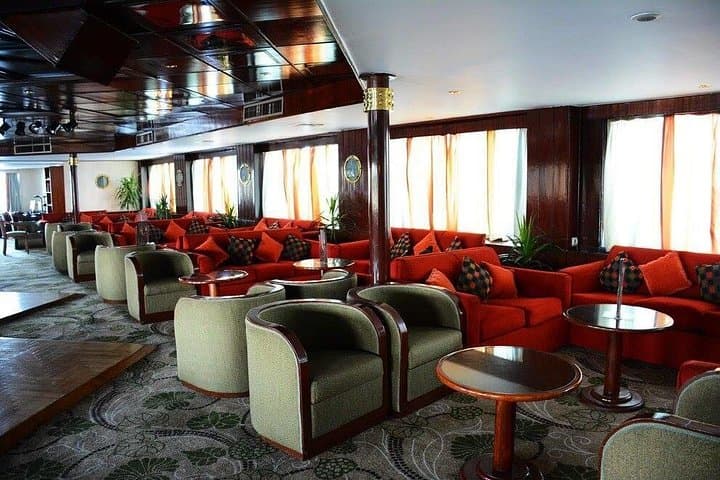
You step off a short domestic flight into Aswan’s dry, warm air and the Nile greets you like a slow-moving road — wide, reflective, daring you to slow down. The cruise waits at the quay: white decks, cool shade, and a steady pulse of motor and oars as feluccas cut the water. Boarding before lunch, you trade city noise for the river’s cadence as the boat pushes north toward Kom Ombo.
You step off a short domestic flight into Aswan’s dry, warm air and the Nile greets you like a slow-moving road — wide, reflective, daring you to slow down. The cruise waits at the quay: white decks, cool shade, and a steady pulse of motor and oars as feluccas cut the water. Boarding before lunch, you trade city noise for the river’s cadence as the boat pushes north toward Kom Ombo.
This itinerary threads together Pharaonic and Graeco‑Roman landmarks: the rock-stable High Dam and Philae’s island temple in Aswan, the dual sanctuary of Kom Ombo dedicated to Sobek and Haroeris, the preserved Ptolemaic reliefs at Edfu’s Temple of Horus, and the concentrated funerary art of Luxor’s West Bank — including Hatshepsut’s mortuary temple and the Valley of the Kings.
Geology here is simple and honest: the Nile’s alluvial plain slices through Nubian sandstone and conglomerate, carving low cliffs and depositing rich silt that fed ancient agriculture and temple economies. Local culture remains river-focused — Nubian settlements, market stalls, and temple rituals all pivot around water and shade.
Practical edge: expect short guided walks on uneven stone, stairs into tombs, and sun that intensifies by midday. Carry SPF, a brimmed hat, sturdy walking shoes, and refillable water; plan early-morning or late‑afternoon visits to avoid peak heat. Entrance fees for some tombs (King Tutankhamun) may be extra and reserves move fast — bring copies of your passport for permits. Mobility is generally accessible onboard, but shore transfers involve steps and gangways. This cruise balances slow travel with concentrated site visits — a compact way to read Egypt’s riverine history by day and sleep afloat under the same stars that guided ancient sailors.