THE ADVENTURE COLLECTIVE® · Independent discovery and booking for outdoor travel

A four‑day, three‑night Nile cruise from Luxor to Aswan offering guided visits to the Valley of the Kings, Kom Ombo, Philae and the cliff‑carved Abu Simbel. Move between monumental temples and village life as the Nile quietly dictates the pace.
A four‑day, three‑night Nile cruise from Luxor to Aswan offering guided visits to the Valley of the Kings, Kom Ombo, Philae and the cliff‑carved Abu Simbel. Move between monumental temples and village life as the Nile quietly dictates the pace.
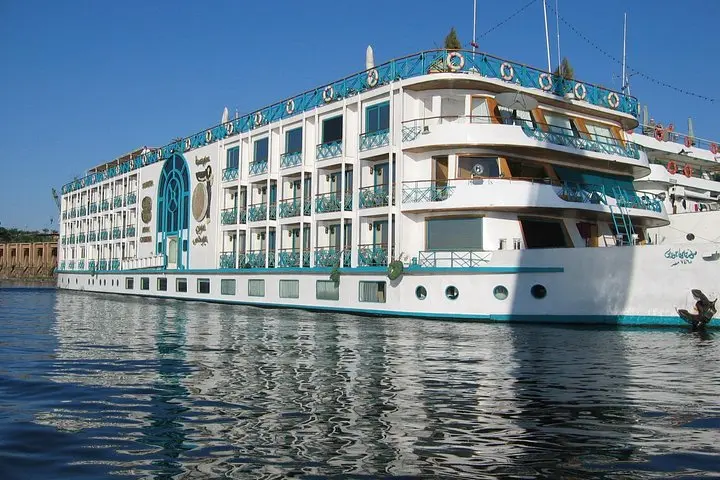
The sun lifts off the desert rim and the Nile answers, carrying a slim ribbon of green between ochre cliffs as your live-aboard begins to glide northward. Onboard, teak decks and wide windows frame passing village palms, fishermen casting nets like slow punctuation marks, and the occasional felucca silhouette cutting a white line across the water.
Verified experiences and guided adventures in the surrounding area.
Operated by Luxor Best Tours · Luxor, Luxor Governorate
The sun lifts off the desert rim and the Nile answers, carrying a slim ribbon of green between ochre cliffs as your live-aboard begins to glide northward. Onboard, teak decks and wide windows frame passing village palms, fishermen casting nets like slow punctuation marks, and the occasional felucca silhouette cutting a white line across the water.
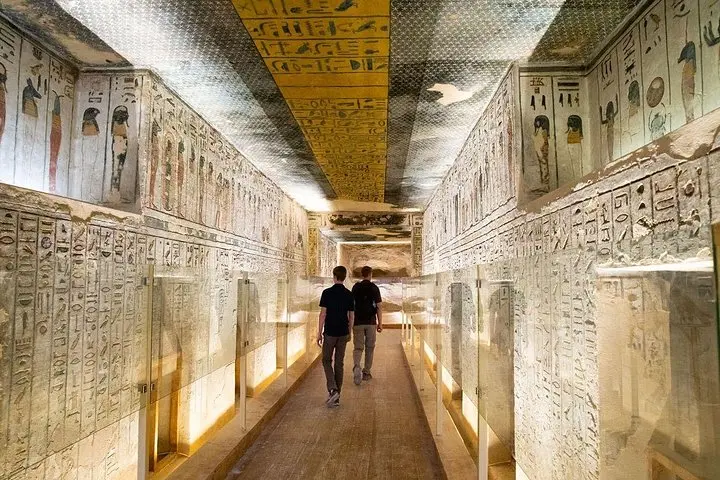
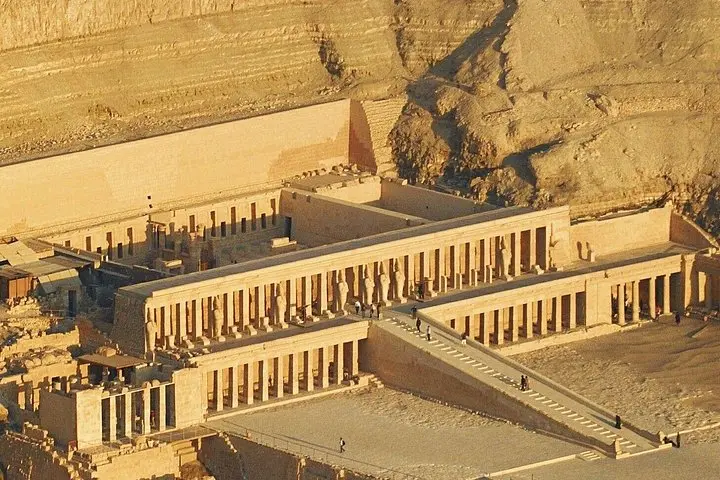
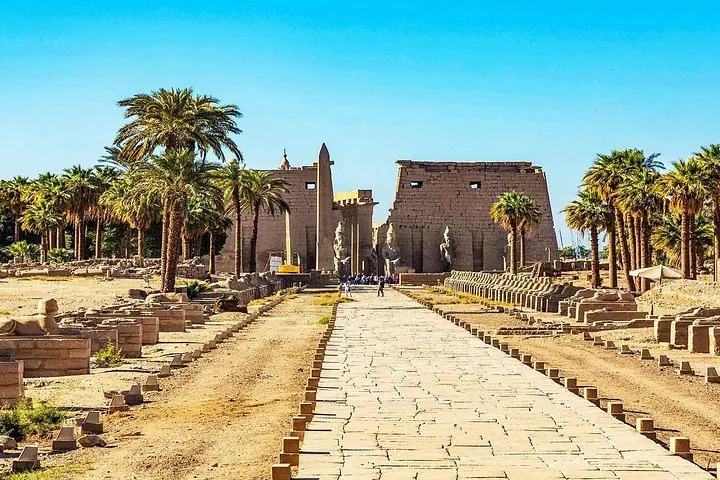
This four-day itinerary stitches together Egypt’s most arresting monuments: Luxor’s Valley of the Kings and Hatshepsut’s cliff‑cut mortuary temple; the twin sanctuaries of Kom Ombo; the hypostyle halls of Edfu’s Temple of Horus; Philae’s island complex relocated piece‑by‑piece when the High Dam created Lake Nasser; and the rock‑hewn grandeur of Abu Simbel, carved from sandstone on Lake Nasser’s western shore. Geology is literal here—the same Nile silt that fed pharaonic cities also underpins the mudbrick villages and the sandstone ridges that artists once chiselled into gods and kings.
Practicalities are simple but specific: three nights aboard a 5‑star cruise with full board, daily guided excursions, and an early pre‑dawn transfer to Abu Simbel (roughly a three‑hour road push each way). Bring breathable, modest clothing for temple visits, sturdy shoes for uneven stone and steps, sun protection and a refillable water bottle. Expect short walks, stairs in tombs and temples, rotating tomb access in the Valley of the Kings to protect fragile paintings, and frequent photo stops. Tipping (baksheesh) and small on‑site purchases are common; carry some Egyptian pounds. Arrive rested, plan for early starts, and let the river’s slow, steady current set the rhythm—this cruise pairs slow travel with some of the world’s most concentrated ancient history.
The road transfer from Aswan to Abu Simbel typically takes around three hours each way; departures are very early to avoid midday heat and return the same day.
This tour includes guided excursions and most sightseeing mentioned; note that access to specific tombs in the Valley of the Kings rotates to protect interiors and may require limited additional fees on site.
Many modern Nile cruise vessels have accessible common areas and can accommodate strollers; however, temples and tombs have steps and uneven ground—wheelchair access at sites is limited.
Some Nile cruise ships offer limited Wi‑Fi and mobile coverage varies; consider a local SIM for reliable data in towns and larger sites.
Luxor Best Tours operates guided outdoor trips and adventures with an emphasis on safety, stewardship, and memorable experiences.
The sun lifts off the desert rim and the Nile answers, carrying a slim ribbon of green between ochre cliffs as your live-aboard begins to glide northward. Onboard, teak decks and wide windows frame passing village palms, fishermen casting nets like slow punctuation marks, and the occasional felucca silhouette cutting a white line across the water.
The sun lifts off the desert rim and the Nile answers, carrying a slim ribbon of green between ochre cliffs as your live-aboard begins to glide northward. Onboard, teak decks and wide windows frame passing village palms, fishermen casting nets like slow punctuation marks, and the occasional felucca silhouette cutting a white line across the water.
This four-day itinerary stitches together Egypt’s most arresting monuments: Luxor’s Valley of the Kings and Hatshepsut’s cliff‑cut mortuary temple; the twin sanctuaries of Kom Ombo; the hypostyle halls of Edfu’s Temple of Horus; Philae’s island complex relocated piece‑by‑piece when the High Dam created Lake Nasser; and the rock‑hewn grandeur of Abu Simbel, carved from sandstone on Lake Nasser’s western shore. Geology is literal here—the same Nile silt that fed pharaonic cities also underpins the mudbrick villages and the sandstone ridges that artists once chiselled into gods and kings.
Practicalities are simple but specific: three nights aboard a 5‑star cruise with full board, daily guided excursions, and an early pre‑dawn transfer to Abu Simbel (roughly a three‑hour road push each way). Bring breathable, modest clothing for temple visits, sturdy shoes for uneven stone and steps, sun protection and a refillable water bottle. Expect short walks, stairs in tombs and temples, rotating tomb access in the Valley of the Kings to protect fragile paintings, and frequent photo stops. Tipping (baksheesh) and small on‑site purchases are common; carry some Egyptian pounds. Arrive rested, plan for early starts, and let the river’s slow, steady current set the rhythm—this cruise pairs slow travel with some of the world’s most concentrated ancient history.