THE ADVENTURE COLLECTIVE® · Independent discovery and booking for outdoor travel

A concentrated four-day loop from Salta through Cafayate, Cachi, Salinas Grandes, Purmamarca, Humahuaca and Hornocal — ideal for travelers who want high-altitude landscapes, Andean culture and a sample of northwest Argentina’s geological highlights.
A concentrated four-day loop from Salta through Cafayate, Cachi, Salinas Grandes, Purmamarca, Humahuaca and Hornocal — ideal for travelers who want high-altitude landscapes, Andean culture and a sample of northwest Argentina’s geological highlights.
The bus eases out of Salta before dawn, headlights cutting a path through low clouds and scrub. Air that felt ordinary at street level thins as the convoy climbs toward Lipán Pass; by the time the guide points out the first kaleidoscopic ridge, breath comes shorter and the landscape larger than memory. Over four days the tour stitches together desert salt, Andean vineyards, columnar cacti and a hill whose stripes look almost engineered — a compact primer of northwestern Argentina that moves fast but leaves time to look.
Verified experiences and guided adventures in the surrounding area.
Operated by Parada Norte Travel · Salta, Salta Province
The bus eases out of Salta before dawn, headlights cutting a path through low clouds and scrub. Air that felt ordinary at street level thins as the convoy climbs toward Lipán Pass; by the time the guide points out the first kaleidoscopic ridge, breath comes shorter and the landscape larger than memory. Over four days the tour stitches together desert salt, Andean vineyards, columnar cacti and a hill whose stripes look almost engineered — a compact primer of northwestern Argentina that moves fast but leaves time to look.
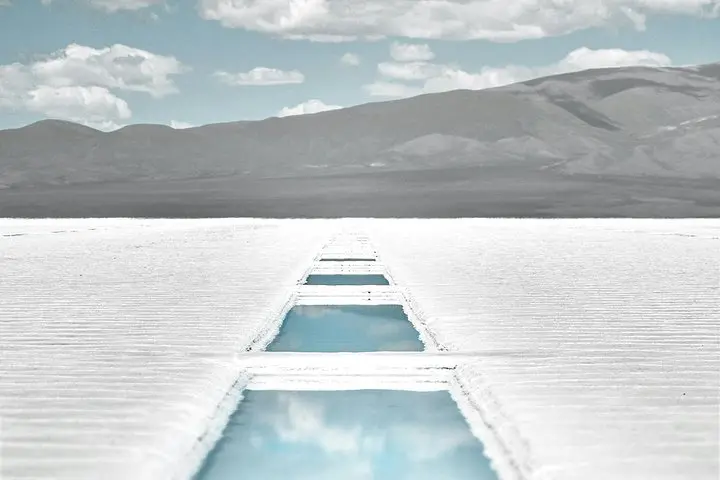
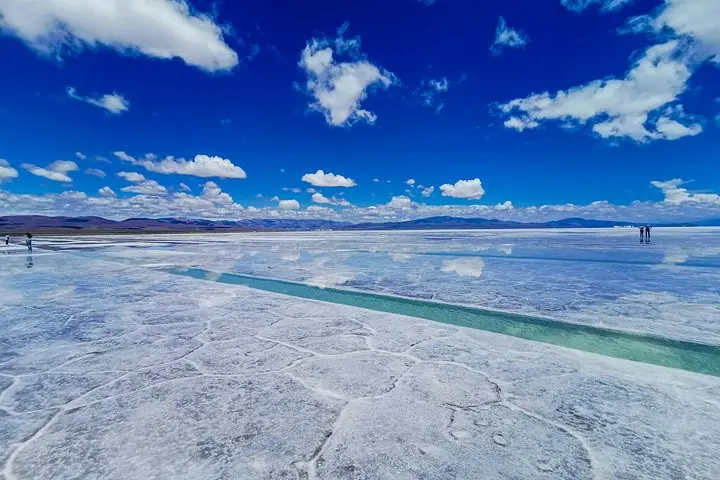
Geology and history are close companions here. The Quebrada de las Conchas channels wind, carving amphitheaters and devil’s-throat gorges from red sandstone. In Cafayate, terraced vineyards cultivate torrontés at altitudes that make European-style vines sit up and adapt. To the north, the Lipán Pass (about 4,170 m at its summit on this route) gives a raw taste of puna — salt flats open and flat enough to make the horizon dizzy, and Hornocal’s layered strata offer color bands formed over millions of years through compression and mineral shifts.
Cultural notes surface between views: roadside stalls selling quince paste and salami in Cachi, Quechua speakers in Humahuaca, and markets in Purmamarca where handicrafts are both souvenir and livelihood. The Quebrada de Humahuaca has been a trade corridor since pre-Columbian times and remains a living cultural landscape — keep an eye out for adobe churches and small communal farms.
Practical guidance: this is a vehicle-led tour with short walks and panoramic stops rather than long hikes. Expect long stretches on paved and gravel roads, early departures, and a rhythm of 30–120 minute stops at key sites (the itinerary lists a one-hour visit at Salinas Grandes and a 60-minute viewpoint stop at Hornocal). Altitude is the main physical challenge — the tour reaches elevations above 3,300 m at the millstone viewpoint and over 4,000 m at Lipán. Drink water, pace yourself during uphill walks, and allow a day in Salta for mild acclimatization if you’re sensitive to altitude.
Logistics: departures are daily from Salta Capital with pickup offered at many hotels; the tour is accessible and suitable for most fitness levels. Bring layered clothing, sun protection and sturdy shoes for uneven viewpoints. With careful planning this four-day loop is an efficient way to see northern Argentina’s signature landscapes: dramatic strata, wind-etched canyons, high-altitude vineyards and the blinding white of the salt flats — all in one practical, scenic sweep.
Departures begin and end in Salta Capital; most hotels in Salta offer pickup if arranged in advance.
Yes—the itinerary notes it’s suitable for all fitness levels, but discuss mobility needs with the operator for transfers and seating.
Guides monitor symptoms, recommend rest and hydration, and can modify stops; bring medication if you have a history of severe altitude sickness.
Specific meals are not listed for every stop; the tour provides time for lunches at villages and a winery tasting in Cafayate.
Daily departures are from Salta, but the operator notes departures from Jujuy may be possible on request—contact them to coordinate.
The listing indicates wheelchair accessibility for many surfaces and vehicles, but access at some viewpoints may be limited; verify specific needs with the supplier.
Parada Norte Travel operates guided outdoor trips and adventures with an emphasis on safety, stewardship, and memorable experiences.

The bus eases out of Salta before dawn, headlights cutting a path through low clouds and scrub. Air that felt ordinary at street level thins as the convoy climbs toward Lipán Pass; by the time the guide points out the first kaleidoscopic ridge, breath comes shorter and the landscape larger than memory. Over four days the tour stitches together desert salt, Andean vineyards, columnar cacti and a hill whose stripes look almost engineered — a compact primer of northwestern Argentina that moves fast but leaves time to look.
The bus eases out of Salta before dawn, headlights cutting a path through low clouds and scrub. Air that felt ordinary at street level thins as the convoy climbs toward Lipán Pass; by the time the guide points out the first kaleidoscopic ridge, breath comes shorter and the landscape larger than memory. Over four days the tour stitches together desert salt, Andean vineyards, columnar cacti and a hill whose stripes look almost engineered — a compact primer of northwestern Argentina that moves fast but leaves time to look.
Geology and history are close companions here. The Quebrada de las Conchas channels wind, carving amphitheaters and devil’s-throat gorges from red sandstone. In Cafayate, terraced vineyards cultivate torrontés at altitudes that make European-style vines sit up and adapt. To the north, the Lipán Pass (about 4,170 m at its summit on this route) gives a raw taste of puna — salt flats open and flat enough to make the horizon dizzy, and Hornocal’s layered strata offer color bands formed over millions of years through compression and mineral shifts.
Cultural notes surface between views: roadside stalls selling quince paste and salami in Cachi, Quechua speakers in Humahuaca, and markets in Purmamarca where handicrafts are both souvenir and livelihood. The Quebrada de Humahuaca has been a trade corridor since pre-Columbian times and remains a living cultural landscape — keep an eye out for adobe churches and small communal farms.
Practical guidance: this is a vehicle-led tour with short walks and panoramic stops rather than long hikes. Expect long stretches on paved and gravel roads, early departures, and a rhythm of 30–120 minute stops at key sites (the itinerary lists a one-hour visit at Salinas Grandes and a 60-minute viewpoint stop at Hornocal). Altitude is the main physical challenge — the tour reaches elevations above 3,300 m at the millstone viewpoint and over 4,000 m at Lipán. Drink water, pace yourself during uphill walks, and allow a day in Salta for mild acclimatization if you’re sensitive to altitude.
Logistics: departures are daily from Salta Capital with pickup offered at many hotels; the tour is accessible and suitable for most fitness levels. Bring layered clothing, sun protection and sturdy shoes for uneven viewpoints. With careful planning this four-day loop is an efficient way to see northern Argentina’s signature landscapes: dramatic strata, wind-etched canyons, high-altitude vineyards and the blinding white of the salt flats — all in one practical, scenic sweep.