THE ADVENTURE COLLECTIVE® · Independent discovery and booking for outdoor travel

A four-day motorbike loop from Ha Giang to Bản Giốc waterfalls threads mountain passes, karst cliffs and ethnic villages. Expect long riding days, dramatic viewpoints, basic homestays and the payoff of one of Southeast Asia’s great waterfalls.
A four-day motorbike loop from Ha Giang to Bản Giốc waterfalls threads mountain passes, karst cliffs and ethnic villages. Expect long riding days, dramatic viewpoints, basic homestays and the payoff of one of Southeast Asia’s great waterfalls.
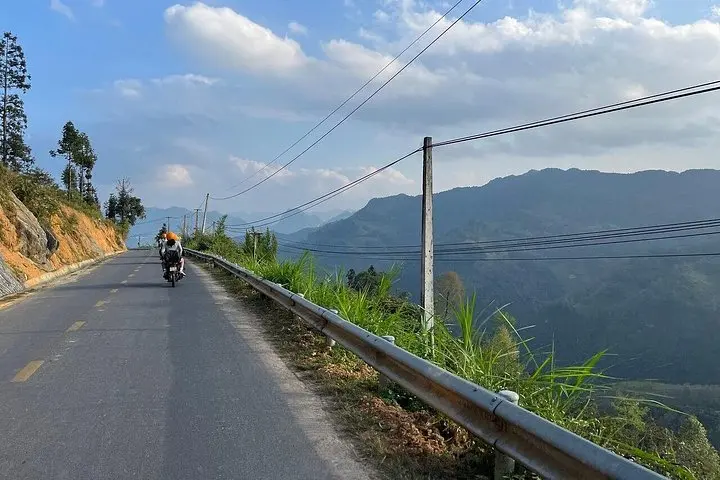
Dawn in Ha Giang feels like the engine of a story turning over; cold air bites, headlamps carve through mist, and a line of motorbikes peels onto switchbacks that climb into limestone ranges.
Verified experiences and guided adventures in the surrounding area.
Operated by Vietnam Cultural Tours · Ha Giang, Ha Giang
Dawn in Ha Giang feels like the engine of a story turning over; cold air bites, headlamps carve through mist, and a line of motorbikes peels onto switchbacks that climb into limestone ranges.
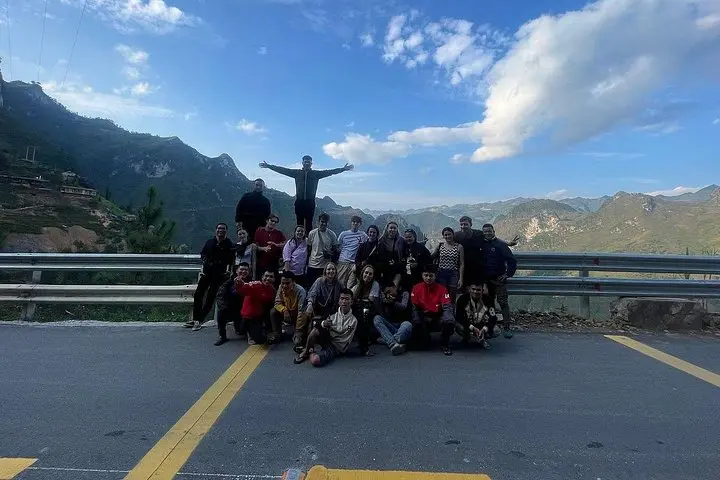
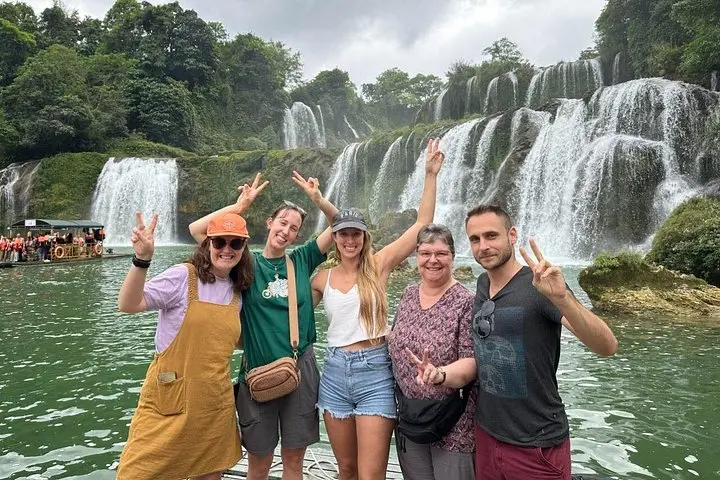
Over four days you’ll ride narrow passes—Bac Sum, Tham Ma, Mẻ Pia—peer down into the turquoise ribbon of the Nho Quế River and finish at the thunder of Bản Giốc Falls on the Vietnam–China border. The road is the stage: hairpins, exposed ridgelines and terraces that change color with the light.
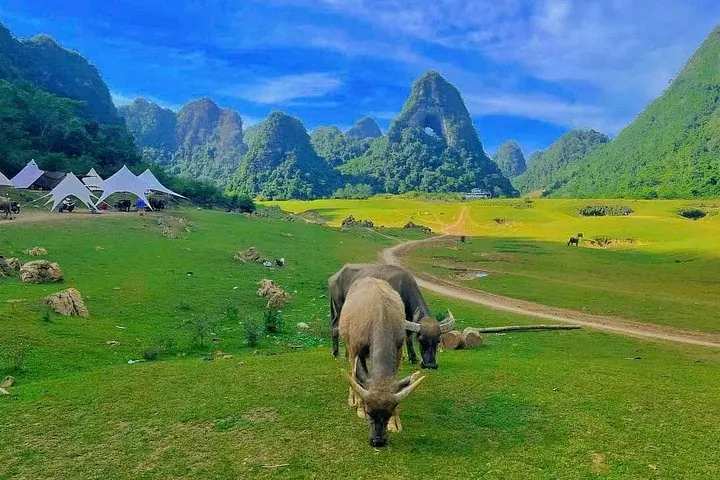
Geologically, this is the Dong Van Karst Plateau—millions of years of uplift and erosion leaving steep limestone towers and deep valleys. Culturally, the loop threads small Hmong, Lô Lô and Tày villages where traditional textiles, earth-walled houses and market rhythms remain central. Stop at Vuong Palace and Pác Bó to see local history and revolutionary landmarks alongside living ethnic traditions.
Practically, expect variable weather, long riding days and basic accommodation options that range from homestays to simple hotels. Helmets and fuel are provided, but bring your own protective layers, a spare inner tube or toolkit, and cash—ATMs are scarce outside provincial centers. Ride early to avoid afternoon storms and allow time for unplanned photo stops. Respect village customs: ask before photographing people and remove shoes when invited into homes.
This loop rewards patient, alert riders: the scenery is raw, the roads demanding, and the cultural encounters genuine. Plan for bad-weather contingencies, prioritize safety over speed, and let the landscape set your pace.
Yes—participants should hold a valid motorcycle license and be comfortable riding a manual bike; some operators may offer a driver and bike if you prefer to be a passenger.
This route suits experienced riders used to narrow, winding mountain roads; beginners should consider joining as a pillion or taking a guided car option.
The tour provides motorcycles, gasoline and most meals listed; outside towns you should carry snacks and extra cash for unplanned purchases.
Accommodations vary from simple homestays to basic hotels; roads are paved but can be steep, narrow and affected by weather—expect slower travel times.
Vietnam Cultural Tours operates guided outdoor trips and adventures with an emphasis on safety, stewardship, and memorable experiences.
Dawn in Ha Giang feels like the engine of a story turning over; cold air bites, headlamps carve through mist, and a line of motorbikes peels onto switchbacks that climb into limestone ranges.
Dawn in Ha Giang feels like the engine of a story turning over; cold air bites, headlamps carve through mist, and a line of motorbikes peels onto switchbacks that climb into limestone ranges.
Over four days you’ll ride narrow passes—Bac Sum, Tham Ma, Mẻ Pia—peer down into the turquoise ribbon of the Nho Quế River and finish at the thunder of Bản Giốc Falls on the Vietnam–China border. The road is the stage: hairpins, exposed ridgelines and terraces that change color with the light.
Geologically, this is the Dong Van Karst Plateau—millions of years of uplift and erosion leaving steep limestone towers and deep valleys. Culturally, the loop threads small Hmong, Lô Lô and Tày villages where traditional textiles, earth-walled houses and market rhythms remain central. Stop at Vuong Palace and Pác Bó to see local history and revolutionary landmarks alongside living ethnic traditions.
Practically, expect variable weather, long riding days and basic accommodation options that range from homestays to simple hotels. Helmets and fuel are provided, but bring your own protective layers, a spare inner tube or toolkit, and cash—ATMs are scarce outside provincial centers. Ride early to avoid afternoon storms and allow time for unplanned photo stops. Respect village customs: ask before photographing people and remove shoes when invited into homes.
This loop rewards patient, alert riders: the scenery is raw, the roads demanding, and the cultural encounters genuine. Plan for bad-weather contingencies, prioritize safety over speed, and let the landscape set your pace.