THE ADVENTURE COLLECTIVE® · Independent discovery and booking for outdoor travel

Four days across Cao Bằng and Ba Bể take you from historical Pac Bo to the multi-tiered Bản Giốc falls and the placid arms of Ba Bể Lake. Expect karst cliffs, cave coolness, homestays and long, scenic road transfers.
Four days across Cao Bằng and Ba Bể take you from historical Pac Bo to the multi-tiered Bản Giốc falls and the placid arms of Ba Bể Lake. Expect karst cliffs, cave coolness, homestays and long, scenic road transfers.
On the first morning the bus peels away from Hanoi and the road narrows into a sequence of karst ribs and green valleys. Mist lifts off the Quây Sơn river as you approach Bản Giốc — water that refuses to be still, cascading in tiers and daring you closer with a constant, thunderous pace.
Verified experiences and guided adventures in the surrounding area.
Operated by Authentic HA GIANG · Cao Bang, Cao Bang
On the first morning the bus peels away from Hanoi and the road narrows into a sequence of karst ribs and green valleys. Mist lifts off the Quây Sơn river as you approach Bản Giốc — water that refuses to be still, cascading in tiers and daring you closer with a constant, thunderous pace.
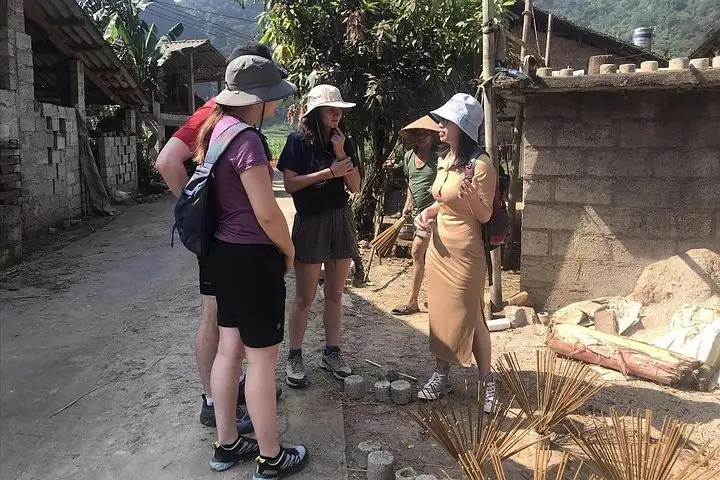
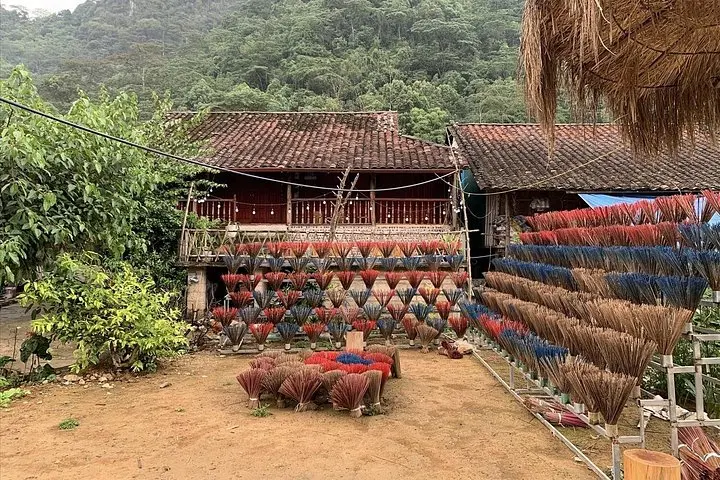
This four-day route stitches together revolutionary history and raw geology: Pac Bo where Ho Chi Minh sheltered beside Lenin Stream, limestone mazes carved over millions of years, and Ba Bể, Vietnam’s largest natural lake sitting in a folded basin framed by forested cliffs. Local Tay, Nùng and H’mong families keep living traditions alive; homestays and incense villages show craft and hospitality that feel integral to the landscape rather than added on.
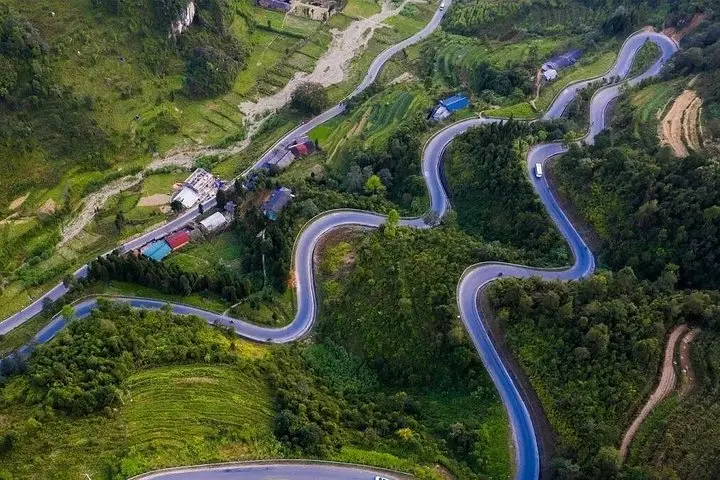
Expect cave coolness at Ngườm Ngao, sudden wide views at Ma Phuc Pass and the peat-dark calm of Ba Bể at dusk. The terrain is mostly paved or graded rural roads with short, unpaved walks and optional boat trips on the lake; elevation changes are modest but surfaces can be slippery after rain.
Practical edge: plan for long drives between stops (bring snacks and motion aids), carry cash in small denominations, and prepare for basic homestay comforts. A waterproof layer, sturdy shoes, insect protection and a reliable daypack will keep you moving. Time your visit for clearer weather if you want wide waterfall views; early starts avoid crowds and reveal the quieter side of northern Vietnam.
Expect long drives: Hanoi–Cao Bằng and Cao Bằng–Ba Bể are multi-hour transfers; the itinerary is travel-forward with stops to break the journey.
Homestays are clean and hospitable but basic — expect simple beds, shared bathrooms in some locations and authentic local meals.
Visa requirements depend on nationality; check Vietnam’s current entry rules and ensure passports are valid for the required period.
Yes — boat trips are a common option at Ba Bể (sometimes self-pay) and offer access to caves, islands and remote villages.
Authentic HA GIANG operates guided outdoor trips and adventures with an emphasis on safety, stewardship, and memorable experiences.
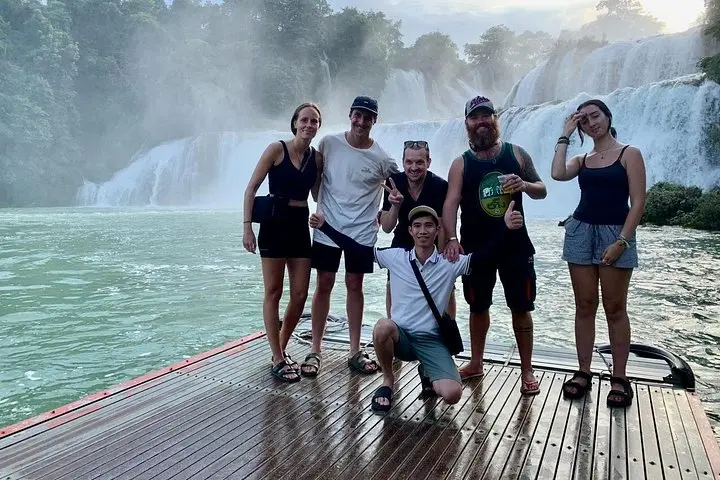
On the first morning the bus peels away from Hanoi and the road narrows into a sequence of karst ribs and green valleys. Mist lifts off the Quây Sơn river as you approach Bản Giốc — water that refuses to be still, cascading in tiers and daring you closer with a constant, thunderous pace.
On the first morning the bus peels away from Hanoi and the road narrows into a sequence of karst ribs and green valleys. Mist lifts off the Quây Sơn river as you approach Bản Giốc — water that refuses to be still, cascading in tiers and daring you closer with a constant, thunderous pace.
This four-day route stitches together revolutionary history and raw geology: Pac Bo where Ho Chi Minh sheltered beside Lenin Stream, limestone mazes carved over millions of years, and Ba Bể, Vietnam’s largest natural lake sitting in a folded basin framed by forested cliffs. Local Tay, Nùng and H’mong families keep living traditions alive; homestays and incense villages show craft and hospitality that feel integral to the landscape rather than added on.
Expect cave coolness at Ngườm Ngao, sudden wide views at Ma Phuc Pass and the peat-dark calm of Ba Bể at dusk. The terrain is mostly paved or graded rural roads with short, unpaved walks and optional boat trips on the lake; elevation changes are modest but surfaces can be slippery after rain.
Practical edge: plan for long drives between stops (bring snacks and motion aids), carry cash in small denominations, and prepare for basic homestay comforts. A waterproof layer, sturdy shoes, insect protection and a reliable daypack will keep you moving. Time your visit for clearer weather if you want wide waterfall views; early starts avoid crowds and reveal the quieter side of northern Vietnam.