THE ADVENTURE COLLECTIVE® · Independent discovery and booking for outdoor travel

A compact four-day journey from Jinka into Ethiopia’s Omo Valley, this tour pairs wildlife and archaeology with immersive village visits to Mursi, Hamer, Karo and more. Expect long drives, local boats across the Omo River, and guided cultural exchanges.
A compact four-day journey from Jinka into Ethiopia’s Omo Valley, this tour pairs wildlife and archaeology with immersive village visits to Mursi, Hamer, Karo and more. Expect long drives, local boats across the Omo River, and guided cultural exchanges.
Dust from the dirt road rises like a promise as the minivan slides away from Jinka and the landscape opens into the Omo Valley—wide river plains, shifting sandbars and the slow, stubborn sweep of the Omo River. Villages sit along the banks, smoke curling from thatched homes, while women and men move with chores that map their seasons.
Verified experiences and guided adventures in the surrounding area.
Operated by Danakil Depression Tours · Jinka, Southern Nations, Nationalities, and Peoples' Region
Dust from the dirt road rises like a promise as the minivan slides away from Jinka and the landscape opens into the Omo Valley—wide river plains, shifting sandbars and the slow, stubborn sweep of the Omo River. Villages sit along the banks, smoke curling from thatched homes, while women and men move with chores that map their seasons.
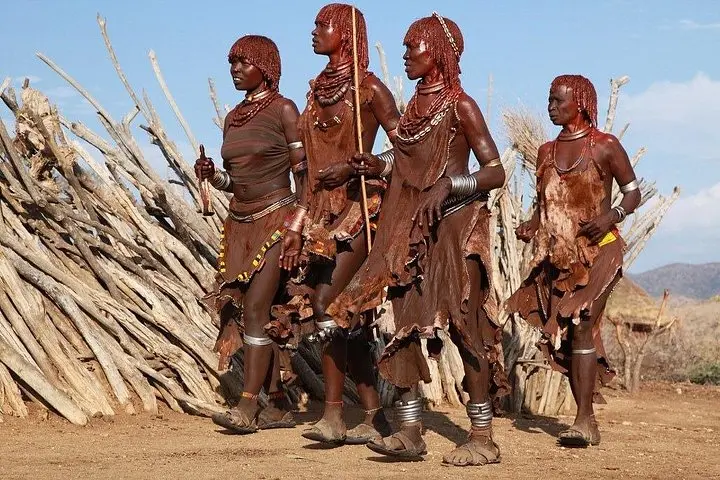
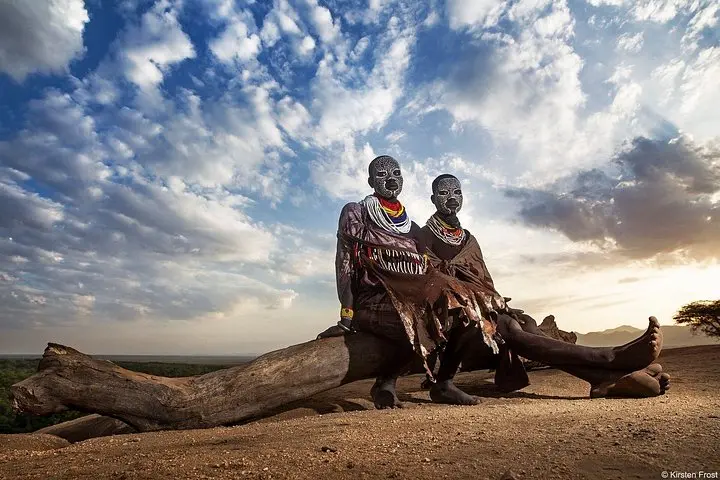
This four-day circuit threads archaeology, wildlife and living culture. You'll visit Mago National Park and the Jinka Museum, cross the Omo in a traditional fig-tree boat at Omorate, and walk through villages of the Mursi (known for lip plates), Ari, Karo, Hamer (where bull-jumping rites are performed roughly every three days), Nyangatom, Banna and Dasanech. Geologically, the valley is a lowland graben carved by the Omo River and rich in fluvial sediment that preserves ancient hominid finds; culturally it remains one of Africa's most diverse tribal mosaics.
Practically, expect long drives between stops in an air-conditioned vehicle, three nights’ simple hotel lodging, and guided village walks that are mostly flat but on uneven ground. Bring sun protection, cash for small purchases and polite camera etiquette—ask before photographing people. Hydrate frequently; water is limited away from towns. Respect local customs: avoid sudden gestures and dress modestly when visiting villages.
This itinerary balances up-close cultural encounters with short hikes and wildlife watching in Mago. Timing your visit in the dry season improves road access, but river crossings and delta flooding shape local life year-round. The guide included with the tour will help navigate permissions and deepen context.
The tour is suitable for most fitness levels; expect long drives with short, easy village walks and occasional stairs or uneven ground.
Bull-jumping in Hamer occurs roughly every three days but is not guaranteed; guides monitor local schedules and will attend if timing aligns.
Photographing is allowed but you should always ask permission; some communities may request a small fee or decline.
Accommodations are basic hotels in Jinka and Turmi with necessary amenities; expect simple rooms and regional hospitality.
Danakil Depression Tours operates guided outdoor trips and adventures with an emphasis on safety, stewardship, and memorable experiences.
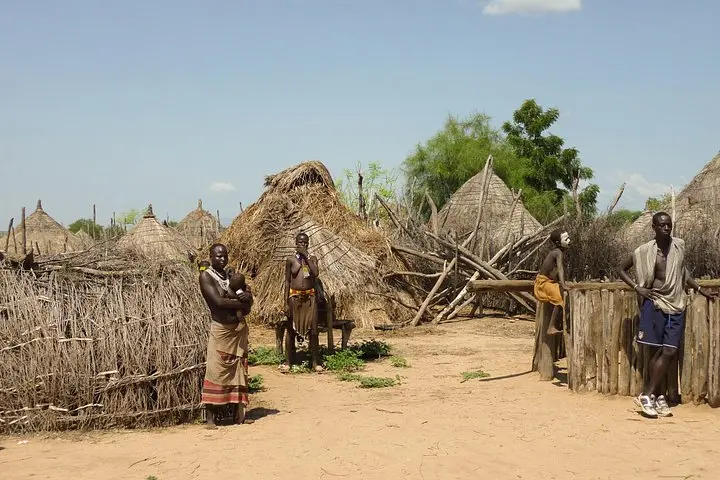

Dust from the dirt road rises like a promise as the minivan slides away from Jinka and the landscape opens into the Omo Valley—wide river plains, shifting sandbars and the slow, stubborn sweep of the Omo River. Villages sit along the banks, smoke curling from thatched homes, while women and men move with chores that map their seasons.
Dust from the dirt road rises like a promise as the minivan slides away from Jinka and the landscape opens into the Omo Valley—wide river plains, shifting sandbars and the slow, stubborn sweep of the Omo River. Villages sit along the banks, smoke curling from thatched homes, while women and men move with chores that map their seasons.
This four-day circuit threads archaeology, wildlife and living culture. You'll visit Mago National Park and the Jinka Museum, cross the Omo in a traditional fig-tree boat at Omorate, and walk through villages of the Mursi (known for lip plates), Ari, Karo, Hamer (where bull-jumping rites are performed roughly every three days), Nyangatom, Banna and Dasanech. Geologically, the valley is a lowland graben carved by the Omo River and rich in fluvial sediment that preserves ancient hominid finds; culturally it remains one of Africa's most diverse tribal mosaics.
Practically, expect long drives between stops in an air-conditioned vehicle, three nights’ simple hotel lodging, and guided village walks that are mostly flat but on uneven ground. Bring sun protection, cash for small purchases and polite camera etiquette—ask before photographing people. Hydrate frequently; water is limited away from towns. Respect local customs: avoid sudden gestures and dress modestly when visiting villages.
This itinerary balances up-close cultural encounters with short hikes and wildlife watching in Mago. Timing your visit in the dry season improves road access, but river crossings and delta flooding shape local life year-round. The guide included with the tour will help navigate permissions and deepen context.