THE ADVENTURE COLLECTIVE® · Independent discovery and booking for outdoor travel

Four days in Ethiopia’s Lower Omo Valley offer close encounters with Hamar, Kara, Dassanech and Mursi communities, framed by rivers, terraces, and fossil-bearing soils. Expect long drives, early mornings, and guided cultural interactions that require respect and preparation.
Four days in Ethiopia’s Lower Omo Valley offer close encounters with Hamar, Kara, Dassanech and Mursi communities, framed by rivers, terraces, and fossil-bearing soils. Expect long drives, early mornings, and guided cultural interactions that require respect and preparation.
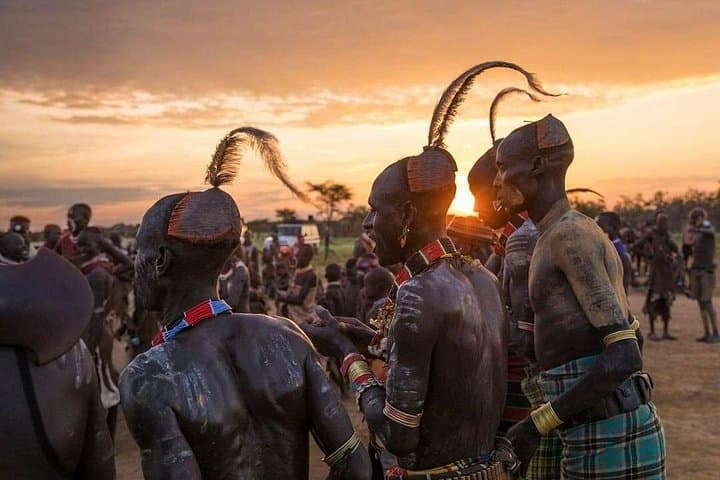
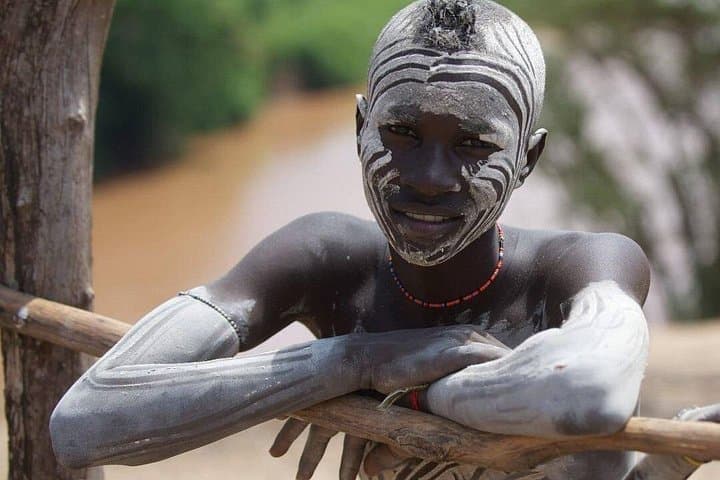
You step out of a 4WD into a wide, hot light and the Omo River seems to dare you to pay attention. Sound and scent arrive first—lowing cattle, the metallic ring of beads, smoke from cooking fires—then faces and stories: Hamar, Kara, Dassanech, Mursi. The valley holds human life in high relief, and every village visit feels like turning a page in a living history book.
Verified experiences and guided adventures in the surrounding area.
Operated by Vowland Ethiopia Tour · Turmi, Southern Nations, Nationalities, and Peoples' Region
You step out of a 4WD into a wide, hot light and the Omo River seems to dare you to pay attention. Sound and scent arrive first—lowing cattle, the metallic ring of beads, smoke from cooking fires—then faces and stories: Hamar, Kara, Dassanech, Mursi. The valley holds human life in high relief, and every village visit feels like turning a page in a living history book.
Geology here is blunt and ancient; the Lower Omo has exposed sedimentary terraces and fossil beds that helped make it a UNESCO World Heritage site. Terraced fields and fortified hill settlements mark centuries of adaptation to shifting river courses and seasonal rains. Culturally, the region is defined by ritual, body art, and age-set ceremonies—the Hamar bull-jumping and the Mursi lip-plate traditions are intense, photo-ready moments that require respect and context.
Expect long drives on mixed asphalt and dirt, short walks within villages on uneven ground, and mornings that start early to avoid heat. Guides mediate etiquette: ask before photographing, accept invitations with gratitude, and carry small cash for local purchases or ceremony contributions.
Practicalities: travel by 4WD between Jinka, Turmi, and river towns; basic lodges provide hot breakfast and a bed; bring sun protection, water purification options, and comfortable shoes for sandy and rocky surfaces. Flights link Jinka to Addis Ababa at the start and finish—plan arrival and departure to allow buffer time. With curiosity and cultural sensitivity, four days in the Omo Valley is less a checklist than an encounter—raw, instructive, and unforgettable.
Yellow fever vaccination may be required for entry to Ethiopia depending on origin; routine travel vaccines and malaria prevention are recommended—check current health advisories before travel.
Photography rules vary; always ask your guide and the community leaders—some ceremonies are private and may require a small contribution for photos.
Transport is by 4WD between Jinka, Turmi, and river towns; lodges are basic but comfortable with breakfast included—expect limited mobile service outside towns.
The itinerary notes accessibility and is generally suitable for families, but village paths are uneven; discuss specific mobility needs with the operator before booking.
Vowland Ethiopia Tour operates guided outdoor trips and adventures with an emphasis on safety, stewardship, and memorable experiences.


You step out of a 4WD into a wide, hot light and the Omo River seems to dare you to pay attention. Sound and scent arrive first—lowing cattle, the metallic ring of beads, smoke from cooking fires—then faces and stories: Hamar, Kara, Dassanech, Mursi. The valley holds human life in high relief, and every village visit feels like turning a page in a living history book.
You step out of a 4WD into a wide, hot light and the Omo River seems to dare you to pay attention. Sound and scent arrive first—lowing cattle, the metallic ring of beads, smoke from cooking fires—then faces and stories: Hamar, Kara, Dassanech, Mursi. The valley holds human life in high relief, and every village visit feels like turning a page in a living history book.
Geology here is blunt and ancient; the Lower Omo has exposed sedimentary terraces and fossil beds that helped make it a UNESCO World Heritage site. Terraced fields and fortified hill settlements mark centuries of adaptation to shifting river courses and seasonal rains. Culturally, the region is defined by ritual, body art, and age-set ceremonies—the Hamar bull-jumping and the Mursi lip-plate traditions are intense, photo-ready moments that require respect and context.
Expect long drives on mixed asphalt and dirt, short walks within villages on uneven ground, and mornings that start early to avoid heat. Guides mediate etiquette: ask before photographing, accept invitations with gratitude, and carry small cash for local purchases or ceremony contributions.
Practicalities: travel by 4WD between Jinka, Turmi, and river towns; basic lodges provide hot breakfast and a bed; bring sun protection, water purification options, and comfortable shoes for sandy and rocky surfaces. Flights link Jinka to Addis Ababa at the start and finish—plan arrival and departure to allow buffer time. With curiosity and cultural sensitivity, four days in the Omo Valley is less a checklist than an encounter—raw, instructive, and unforgettable.