THE ADVENTURE COLLECTIVE® · Independent discovery and booking for outdoor travel

Four days through Ethiopia’s Omo Valley introduce travelers to the Mursi, Hamar, Karo and Dassanech peoples amid river flats and red-clay terraces. This practical guide outlines what to expect—from ceremonies and market exchanges to road conditions, health precautions, and photography etiquette.
Four days through Ethiopia’s Omo Valley introduce travelers to the Mursi, Hamar, Karo and Dassanech peoples amid river flats and red-clay terraces. This practical guide outlines what to expect—from ceremonies and market exchanges to road conditions, health precautions, and photography etiquette.
Dawn breaks over the Omo River and the valley exhales—smoke from cooking fires, women arranging beads, and cattle stirring like a slow heartbeat. A four-day circuit from Jinka to Turmi threads through low, arid hills and broad river flats where the river dares you to follow its braided channels toward villages that keep older rhythms.
Verified experiences and guided adventures in the surrounding area.
Operated by Golden Ethio Riding Tours · Jinka, Southern Nations, Nationalities, and Peoples' Region
Dawn breaks over the Omo River and the valley exhales—smoke from cooking fires, women arranging beads, and cattle stirring like a slow heartbeat. A four-day circuit from Jinka to Turmi threads through low, arid hills and broad river flats where the river dares you to follow its braided channels toward villages that keep older rhythms.
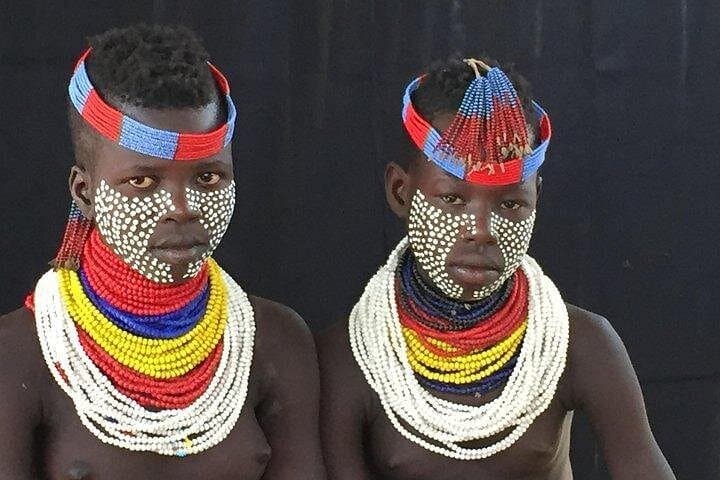
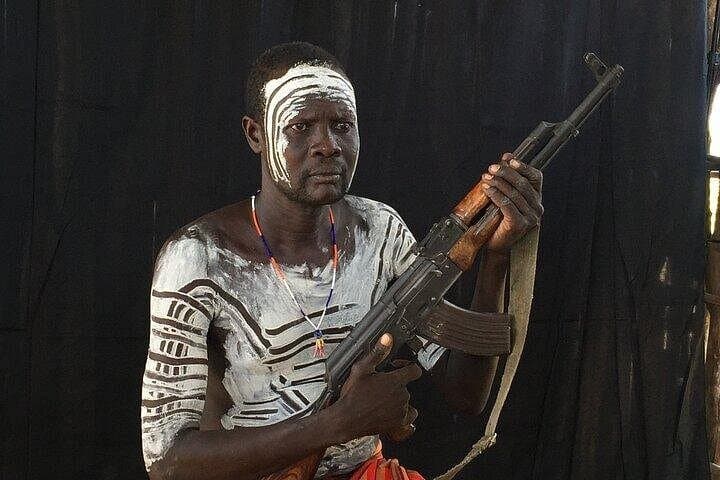
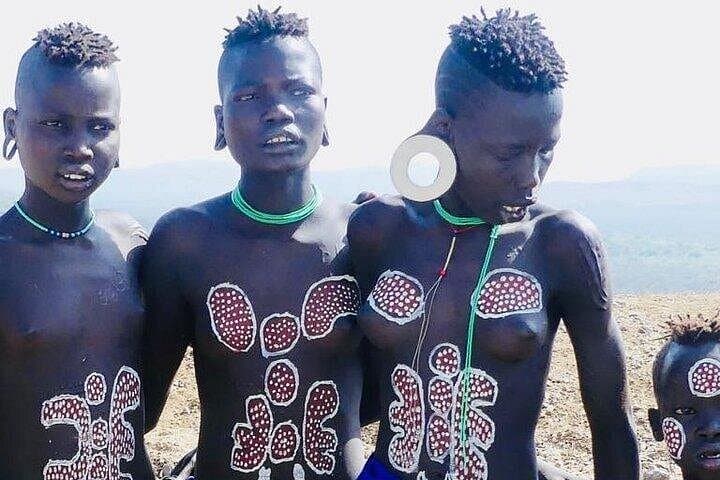
Geology here is blunt: the Omo River has carved terraces of red clay and silt that reveal archaeological layers where early Homo fossils were found. Culturally the valley is alive and outspoken—Mursi lip plates and scarification, Hamar (Hamer) bull-jumping rites, Karo body painting, and the nomadic Dassanech herding along seasonal floodplains. Markets and ceremonies are as much social theater as survival strategy; visitors witness dances, exchange goods, and sometimes attend scheduled rituals if timing aligns.
Expect dusty roads, sudden heat, and intense light. Logistics are straightforward: the tour typically starts in Jinka with short internal flights possible, drives on graded dirt roads, and nights in simple lodges that the itinerary lists. Photography requires permission—ask first and offer a small tip. Healthwise, carry malaria prophylaxis, water purification, and sun protection; bring local currency for purchases and tips. Respect local customs: modest dress, avoid touching sacred items, and follow your guide’s lead.
This is a cultural-immersion trip rather than a wilderness trek: modest fitness, patience for slow travel, and curiosity will reward you with unforgettable human encounters and a raw landscape that doesn’t apologize for its honesty.
The dry season—roughly December to February—is easiest for road travel, viewing ceremonies, and avoiding heavy rains that can make dirt roads impassable.
Recommended: routine vaccinations, yellow fever proof if required by entry rules, and malaria prophylaxis—consult your doctor well before travel.
Group tours with local guides provide safer, more ethical interactions; always follow guides’ instructions, pay agreed fees, and respect requests to refrain from photography or touching.
Lodges are basic but comfortable—expect limited Wi‑Fi, simple plumbing, and meals included as listed; bring toiletries and any personal medications.
Golden Ethio Riding Tours operates guided outdoor trips and adventures with an emphasis on safety, stewardship, and memorable experiences.
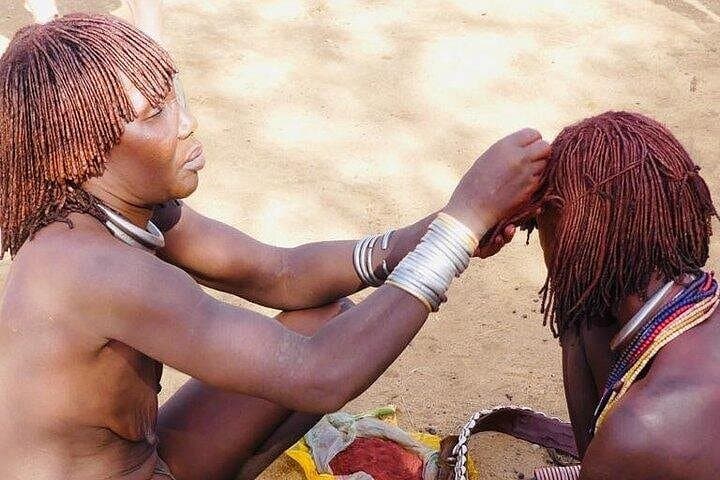
Dawn breaks over the Omo River and the valley exhales—smoke from cooking fires, women arranging beads, and cattle stirring like a slow heartbeat. A four-day circuit from Jinka to Turmi threads through low, arid hills and broad river flats where the river dares you to follow its braided channels toward villages that keep older rhythms.
Dawn breaks over the Omo River and the valley exhales—smoke from cooking fires, women arranging beads, and cattle stirring like a slow heartbeat. A four-day circuit from Jinka to Turmi threads through low, arid hills and broad river flats where the river dares you to follow its braided channels toward villages that keep older rhythms.
Geology here is blunt: the Omo River has carved terraces of red clay and silt that reveal archaeological layers where early Homo fossils were found. Culturally the valley is alive and outspoken—Mursi lip plates and scarification, Hamar (Hamer) bull-jumping rites, Karo body painting, and the nomadic Dassanech herding along seasonal floodplains. Markets and ceremonies are as much social theater as survival strategy; visitors witness dances, exchange goods, and sometimes attend scheduled rituals if timing aligns.
Expect dusty roads, sudden heat, and intense light. Logistics are straightforward: the tour typically starts in Jinka with short internal flights possible, drives on graded dirt roads, and nights in simple lodges that the itinerary lists. Photography requires permission—ask first and offer a small tip. Healthwise, carry malaria prophylaxis, water purification, and sun protection; bring local currency for purchases and tips. Respect local customs: modest dress, avoid touching sacred items, and follow your guide’s lead.
This is a cultural-immersion trip rather than a wilderness trek: modest fitness, patience for slow travel, and curiosity will reward you with unforgettable human encounters and a raw landscape that doesn’t apologize for its honesty.