THE ADVENTURE COLLECTIVE® · Independent discovery and booking for outdoor travel

Sunrise at Angkor Wat, jungle-clad temples, Phnom Kulen waterfalls and Banteay Srei’s pink sandstone—this private four-day tour strings the park’s major chapters into a paced, flexible itinerary. Read on for practical tips and what to expect each day.
Sunrise at Angkor Wat, jungle-clad temples, Phnom Kulen waterfalls and Banteay Srei’s pink sandstone—this private four-day tour strings the park’s major chapters into a paced, flexible itinerary. Read on for practical tips and what to expect each day.
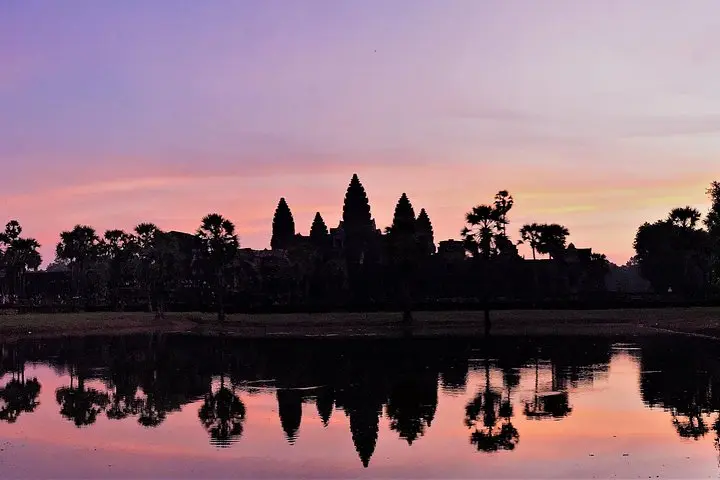
The sun arrives slow and golden over the outer moat, and Angkor Wat’s silhouette sharpens into a black etching against the sky. A private guide meets the group before dawn, and the stones—worn, mossed, carved—begin to reveal stories: bas-reliefs of gods and battles, faces folded into tower blocks, and tree roots threading through doorways like fingers reclaiming a room.
Verified experiences and guided adventures in the surrounding area.
Operated by Angkor Friendly tour · Siem Reap, Siem Reap Province
The sun arrives slow and golden over the outer moat, and Angkor Wat’s silhouette sharpens into a black etching against the sky. A private guide meets the group before dawn, and the stones—worn, mossed, carved—begin to reveal stories: bas-reliefs of gods and battles, faces folded into tower blocks, and tree roots threading through doorways like fingers reclaiming a room.
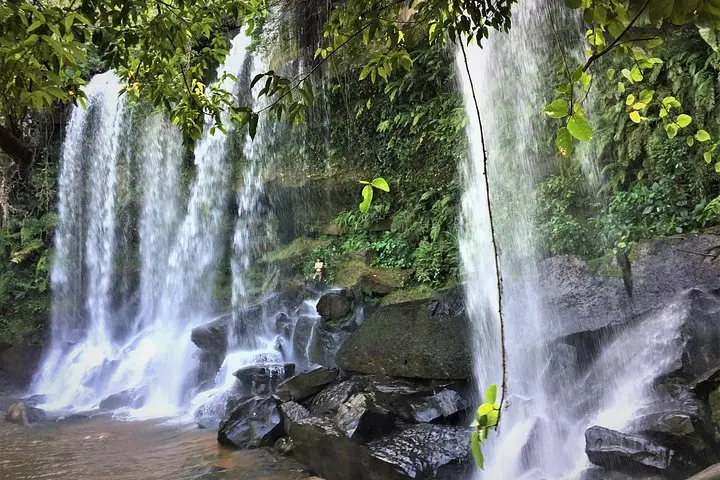
This four-day circuit covers the core Angkor Archaeological Park and its outskirts. Angkor Wat itself dates to the 12th century under Suryavarman II and stands on sandstone foundations laid atop laterite beds; Bayon offers enigmatic smiling faces from Jayavarman VII’s era, while Ta Prohm preserves the cinematic marriage of tree and ruin. Phnom Kulen’s plateau, a sacred landscape, exposes water-carved sandstone, the thousand lingas in the riverbed, and a cooling waterfall where locals perform rites. Banteay Srei’s pink sandstone and finer carvings come from a different quarry and scale, revealing craftsmanship on a human scale. Beng Mealea and Preah Khan show how jungle and temple overlap across centuries.
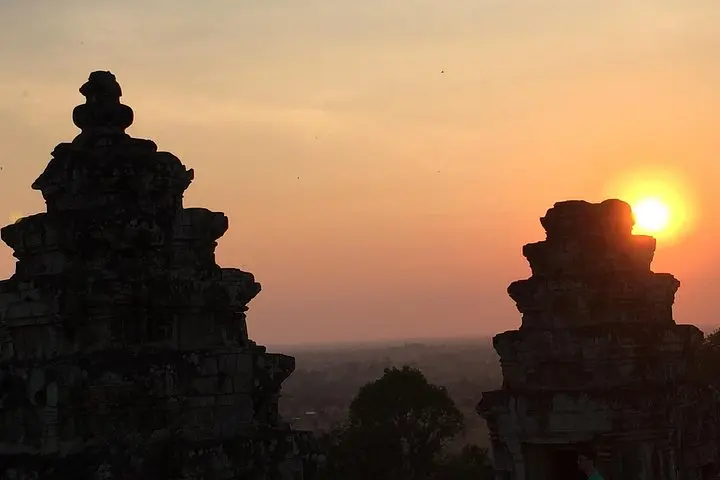
Travelers should expect long, hot days with uneven footsteps and short walks between monuments. A valid multi-day Angkor pass (currently about US$62 for three days) is required. Dress to respect temple codes—shoulders and knees covered—and bring sun protection, cash for small purchases and tips, and a quiet patience for crowded highlights. The guide can help stagger visits for quieter windows and find shaded breaks for water and rest. This private format blends sunrise and sunset moments with off-peak lanes, waterfalls, and local context for a measured, immersive exploration.
Yes; a multi-day pass is required to enter the main Angkor sites—three-day passes are commonly used for comprehensive itineraries.
Yes; the itinerary begins pre-dawn on day one to view sunrise at Angkor Wat and then continues at a relaxed pace through the complex.
Swimming is typically permitted in designated areas at the main waterfall; follow your guide’s instructions and local signage for safety and respect rituals at sacred pools.
Many temples have uneven steps and tight corridors; children can join but must be supervised, and passes or passport copies are needed for child entry policies.
Angkor Friendly tour operates guided outdoor trips and adventures with an emphasis on safety, stewardship, and memorable experiences.

The sun arrives slow and golden over the outer moat, and Angkor Wat’s silhouette sharpens into a black etching against the sky. A private guide meets the group before dawn, and the stones—worn, mossed, carved—begin to reveal stories: bas-reliefs of gods and battles, faces folded into tower blocks, and tree roots threading through doorways like fingers reclaiming a room.
The sun arrives slow and golden over the outer moat, and Angkor Wat’s silhouette sharpens into a black etching against the sky. A private guide meets the group before dawn, and the stones—worn, mossed, carved—begin to reveal stories: bas-reliefs of gods and battles, faces folded into tower blocks, and tree roots threading through doorways like fingers reclaiming a room.
This four-day circuit covers the core Angkor Archaeological Park and its outskirts. Angkor Wat itself dates to the 12th century under Suryavarman II and stands on sandstone foundations laid atop laterite beds; Bayon offers enigmatic smiling faces from Jayavarman VII’s era, while Ta Prohm preserves the cinematic marriage of tree and ruin. Phnom Kulen’s plateau, a sacred landscape, exposes water-carved sandstone, the thousand lingas in the riverbed, and a cooling waterfall where locals perform rites. Banteay Srei’s pink sandstone and finer carvings come from a different quarry and scale, revealing craftsmanship on a human scale. Beng Mealea and Preah Khan show how jungle and temple overlap across centuries.
Travelers should expect long, hot days with uneven footsteps and short walks between monuments. A valid multi-day Angkor pass (currently about US$62 for three days) is required. Dress to respect temple codes—shoulders and knees covered—and bring sun protection, cash for small purchases and tips, and a quiet patience for crowded highlights. The guide can help stagger visits for quieter windows and find shaded breaks for water and rest. This private format blends sunrise and sunset moments with off-peak lanes, waterfalls, and local context for a measured, immersive exploration.