THE ADVENTURE COLLECTIVE® · Independent discovery and booking for outdoor travel

Move from the dizzying cable cars of La Paz to the mirror-white expanses of Salar de Uyuni and the storied shores of Lake Titicaca on a private four-day circuit. Expect long drives, high-altitude conditions, and culturally rich stops at Tiwanaku and Isla del Sol.
Move from the dizzying cable cars of La Paz to the mirror-white expanses of Salar de Uyuni and the storied shores of Lake Titicaca on a private four-day circuit. Expect long drives, high-altitude conditions, and culturally rich stops at Tiwanaku and Isla del Sol.
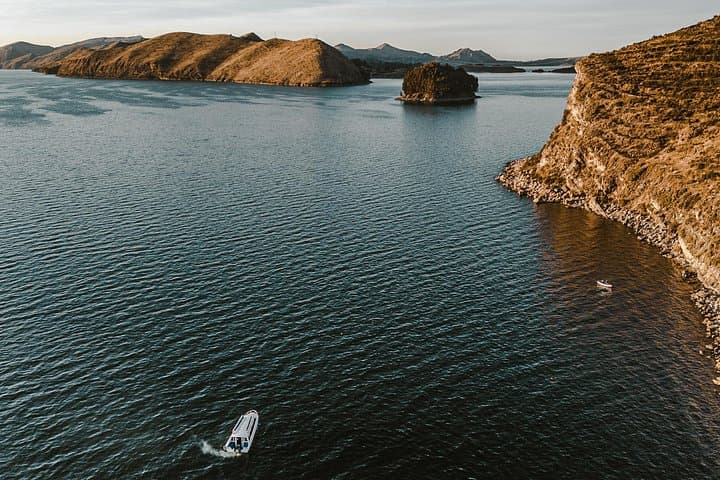
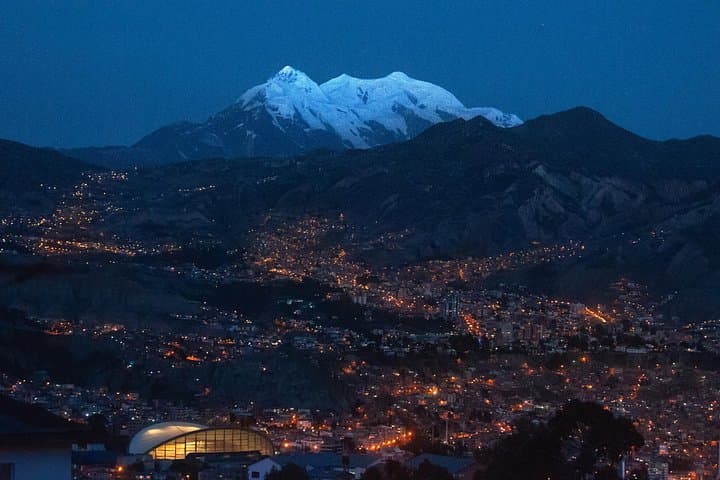
The morning in La Paz opens with a filament of cable cars climbing the razor-edged valley; vendors call out herbal teas and coca leaves while the city’s high-altitude air pinches the lungs. Over four days you move from that urban tangle to the boundless white of Salar de Uyuni, across windswept high plains, then to the slow, sacred waters of Lake Titicaca—each landscape insisting on a different rhythm.
Verified experiences and guided adventures in the surrounding area.
Operated by Mundicontact Expeditions · La Paz, La Paz Department
The morning in La Paz opens with a filament of cable cars climbing the razor-edged valley; vendors call out herbal teas and coca leaves while the city’s high-altitude air pinches the lungs. Over four days you move from that urban tangle to the boundless white of Salar de Uyuni, across windswept high plains, then to the slow, sacred waters of Lake Titicaca—each landscape insisting on a different rhythm.
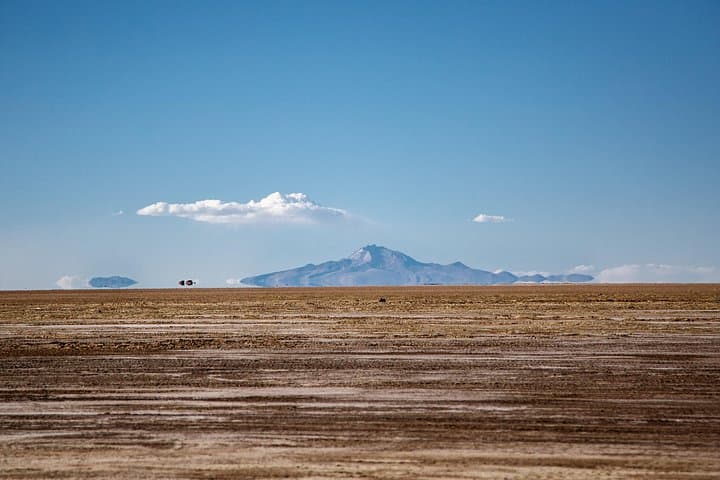
Tiwanaku introduces human history at altitude: stone platforms, carved and fit with precision by a pre-Inca civilization that shaped the high plateau’s cultural map. Geologically, the salar is the remnant of a Pleistocene lake; its salt crust and deserted hollows reflect light like a natural mirror in the wet season, and crack into hexagonal tiles in dry months. Copacabana and Isla del Sol hold terrace agriculture and ruins tied to Inca origin myths—places where local Aymara and Quechua communities still tend fields and festivals.
Practically: expect long drives (overnight bed buses are included), small-group pacing, and variable temperatures—intense sun by day, freezing at night. Plan for altitude (3,600–3,800 m across this route): hydrate, rest the first day in La Paz, and avoid heavy exertion until acclimatized. Footwear should handle salt crust and rocky ruins; layers are essential for sudden wind and cold. Bring cash for markets and a camera with spare batteries—the wide bright light drains power fast.
This private, bilingual-guided itinerary balances cultural sites, geology, and striking visual moments—sunsets on the salar, cactus-studded islands, and terraces above Titicaca—delivered with logistics sorted so you can focus on the landscapes and stories at each stop.
Most sites lie between roughly 3,600–3,800 meters; mild symptoms are common—headache, shortness of breath. Hydrate, rest the first day in La Paz, and inform guides of any issues.
Accommodation and meals are included according to the itinerary—expect a mix of local hotels and included lunches/dinners as listed in the tour details.
The tour notes wheelchair accessibility but some archaeological sites and island terraces have uneven surfaces and steps; check specific mobility needs with the operator before booking.
Bring Bolivian bolivianos for small purchases in towns and markets; major hotels accept cards in La Paz, but rural areas and craft stalls are cash-only.
Mundicontact Expeditions operates guided outdoor trips and adventures with an emphasis on safety, stewardship, and memorable experiences.

The morning in La Paz opens with a filament of cable cars climbing the razor-edged valley; vendors call out herbal teas and coca leaves while the city’s high-altitude air pinches the lungs. Over four days you move from that urban tangle to the boundless white of Salar de Uyuni, across windswept high plains, then to the slow, sacred waters of Lake Titicaca—each landscape insisting on a different rhythm.
The morning in La Paz opens with a filament of cable cars climbing the razor-edged valley; vendors call out herbal teas and coca leaves while the city’s high-altitude air pinches the lungs. Over four days you move from that urban tangle to the boundless white of Salar de Uyuni, across windswept high plains, then to the slow, sacred waters of Lake Titicaca—each landscape insisting on a different rhythm.
Tiwanaku introduces human history at altitude: stone platforms, carved and fit with precision by a pre-Inca civilization that shaped the high plateau’s cultural map. Geologically, the salar is the remnant of a Pleistocene lake; its salt crust and deserted hollows reflect light like a natural mirror in the wet season, and crack into hexagonal tiles in dry months. Copacabana and Isla del Sol hold terrace agriculture and ruins tied to Inca origin myths—places where local Aymara and Quechua communities still tend fields and festivals.
Practically: expect long drives (overnight bed buses are included), small-group pacing, and variable temperatures—intense sun by day, freezing at night. Plan for altitude (3,600–3,800 m across this route): hydrate, rest the first day in La Paz, and avoid heavy exertion until acclimatized. Footwear should handle salt crust and rocky ruins; layers are essential for sudden wind and cold. Bring cash for markets and a camera with spare batteries—the wide bright light drains power fast.
This private, bilingual-guided itinerary balances cultural sites, geology, and striking visual moments—sunsets on the salar, cactus-studded islands, and terraces above Titicaca—delivered with logistics sorted so you can focus on the landscapes and stories at each stop.