THE ADVENTURE COLLECTIVE® · Independent discovery and booking for outdoor travel

This private 4-day circuit from Kigali pairs mountain gorilla trekking in Bwindi with chimpanzee encounters in Kibale, plus cultural visits and an Ishasha game drive. Expect steep forest hikes, border formalities, and unforgettable primate viewing in two of East Africa’s richest parks.
This private 4-day circuit from Kigali pairs mountain gorilla trekking in Bwindi with chimpanzee encounters in Kibale, plus cultural visits and an Ishasha game drive. Expect steep forest hikes, border formalities, and unforgettable primate viewing in two of East Africa’s richest parks.
Before dawn the minivan slips out of Kigali, headlights cutting through mist over folded green hills. The road climbs, the air cools and the countryside opens into Rwanda’s patchwork of farms; later the landscape yields to Uganda’s volcanic highlands where ancient forest clings to steep ridgelines. In the shadowed understory of Bwindi Impenetrable National Park, moss-draped trees lean close and great apes move like slow thunder through the canopy; in Kibale Forest the call of chimpanzees and the flash of a great blue turaco announce a different, vocal jungle.
Verified experiences and guided adventures in the surrounding area.
Operated by Iconic Travel Services · Kigali, Kigali Province
Before dawn the minivan slips out of Kigali, headlights cutting through mist over folded green hills. The road climbs, the air cools and the countryside opens into Rwanda’s patchwork of farms; later the landscape yields to Uganda’s volcanic highlands where ancient forest clings to steep ridgelines. In the shadowed understory of Bwindi Impenetrable National Park, moss-draped trees lean close and great apes move like slow thunder through the canopy; in Kibale Forest the call of chimpanzees and the flash of a great blue turaco announce a different, vocal jungle.
This circuit threads natural and human history: Kigali’s Gisozi Genocide Memorial contextualizes modern Rwanda, while the Batwa people carry forest knowledge shaped by centuries inside the forest. Geologically the region is part of the Albertine Rift—cracked terrain, volcanic soils, and steep valleys that trap biodiversity. Cultural life centers on markets—Kimironko in Kigali—and roadside tea terraces that shape the view.
Practically, the trip hinges on permits, guides, and fitness. Gorilla treks are unpredictable: expect 2–6 hours of hiking through mud, roots, and steep slopes, with one hour permitted near habituated gorilla families. Chimp treks in Kibale are shorter but can still involve wet trails and dense undergrowth. Border crossings require passports and may need visas; vaccination and malaria prophylaxis are strongly advised. Pack waterproof layers, sturdy boots with ankle support, a daypack with water and snacks, and binoculars for birding. Plan extra time for travel between parks; roads are scenic but slow. With permits in hand, this four-day route delivers two of East Africa’s most intimate primate encounters along with a grounded introduction to the region’s people and conservation challenges.
Yes—permits are required for both gorilla trekking in Bwindi and chimp trekking in Kibale; these are allocated in advance and often limited, so book early.
Trekking difficulty varies; gorilla treks can last 2–6 hours over steep, muddy terrain, while chimp treks typically take 2–4 hours; moderate fitness is recommended.
Yellow fever vaccination may be required for entry to some countries; malaria is prevalent—discuss prophylaxis with your doctor and ensure routine vaccinations are up to date.
Expect passport checks and possible visa requirements; allow extra time for processing and carry printed copies of bookings and permits.
Iconic Travel Services operates guided outdoor trips and adventures with an emphasis on safety, stewardship, and memorable experiences.
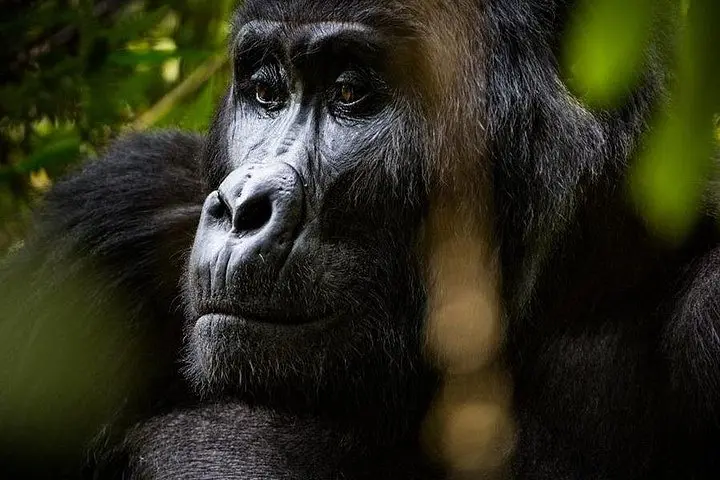
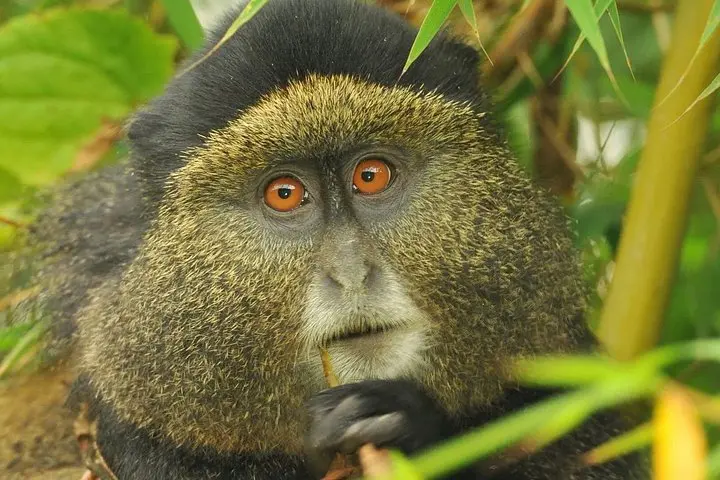
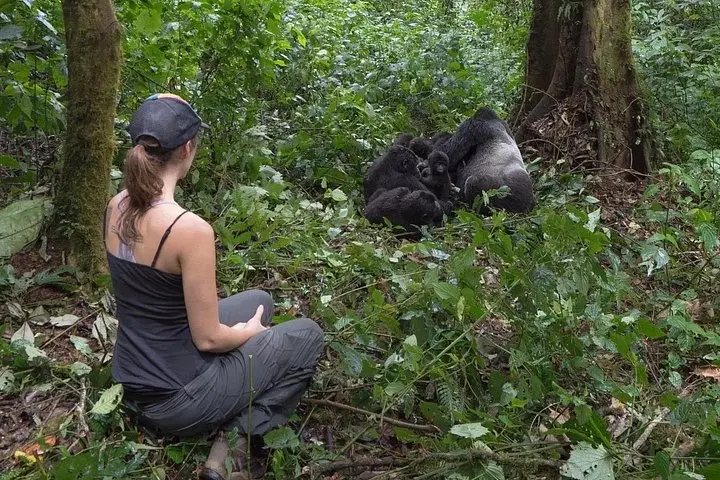
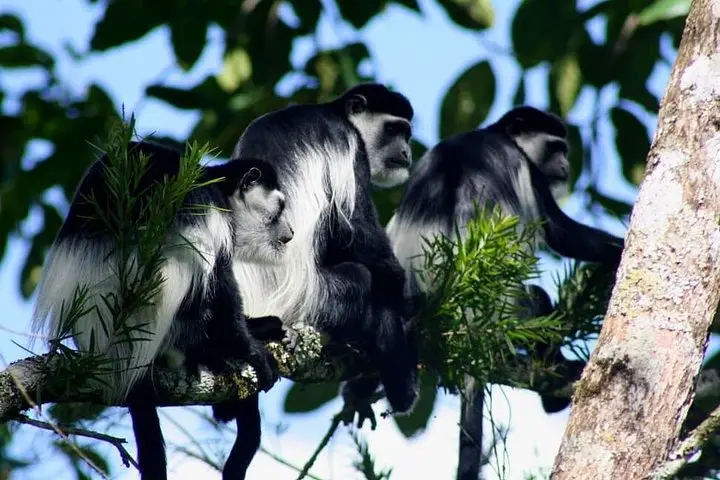
Before dawn the minivan slips out of Kigali, headlights cutting through mist over folded green hills. The road climbs, the air cools and the countryside opens into Rwanda’s patchwork of farms; later the landscape yields to Uganda’s volcanic highlands where ancient forest clings to steep ridgelines. In the shadowed understory of Bwindi Impenetrable National Park, moss-draped trees lean close and great apes move like slow thunder through the canopy; in Kibale Forest the call of chimpanzees and the flash of a great blue turaco announce a different, vocal jungle.
Before dawn the minivan slips out of Kigali, headlights cutting through mist over folded green hills. The road climbs, the air cools and the countryside opens into Rwanda’s patchwork of farms; later the landscape yields to Uganda’s volcanic highlands where ancient forest clings to steep ridgelines. In the shadowed understory of Bwindi Impenetrable National Park, moss-draped trees lean close and great apes move like slow thunder through the canopy; in Kibale Forest the call of chimpanzees and the flash of a great blue turaco announce a different, vocal jungle.
This circuit threads natural and human history: Kigali’s Gisozi Genocide Memorial contextualizes modern Rwanda, while the Batwa people carry forest knowledge shaped by centuries inside the forest. Geologically the region is part of the Albertine Rift—cracked terrain, volcanic soils, and steep valleys that trap biodiversity. Cultural life centers on markets—Kimironko in Kigali—and roadside tea terraces that shape the view.
Practically, the trip hinges on permits, guides, and fitness. Gorilla treks are unpredictable: expect 2–6 hours of hiking through mud, roots, and steep slopes, with one hour permitted near habituated gorilla families. Chimp treks in Kibale are shorter but can still involve wet trails and dense undergrowth. Border crossings require passports and may need visas; vaccination and malaria prophylaxis are strongly advised. Pack waterproof layers, sturdy boots with ankle support, a daypack with water and snacks, and binoculars for birding. Plan extra time for travel between parks; roads are scenic but slow. With permits in hand, this four-day route delivers two of East Africa’s most intimate primate encounters along with a grounded introduction to the region’s people and conservation challenges.