THE ADVENTURE COLLECTIVE® · Independent discovery and booking for outdoor travel

A focused, private four-day program that brings you face-to-face with Egypt’s greatest monuments — the Giza Pyramids, the Sphinx, the Egyptian Museum, the Citadel, and the bustling Khan El Khalili bazaar. Practical planning advice and on-the-ground tips help you navigate crowds, heat, and cultural sites with confidence.
A focused, private four-day program that brings you face-to-face with Egypt’s greatest monuments — the Giza Pyramids, the Sphinx, the Egyptian Museum, the Citadel, and the bustling Khan El Khalili bazaar. Practical planning advice and on-the-ground tips help you navigate crowds, heat, and cultural sites with confidence.
You step from the hotel into a city where history presses close: the desert plateaus of Giza rise like an old city wall, and the Nile moves through Cairo with the quiet insistence of a river that has carried civilizations. On day two the Great Pyramid looms above the sandy sweep — a geometric mountain of limestone blocks — while the Sphinx keeps its watch, wind-smoothed and immovable.
Verified experiences and guided adventures in the surrounding area.
Operated by Luxor Private Day Tours · Cairo, Cairo Governorate
You step from the hotel into a city where history presses close: the desert plateaus of Giza rise like an old city wall, and the Nile moves through Cairo with the quiet insistence of a river that has carried civilizations. On day two the Great Pyramid looms above the sandy sweep — a geometric mountain of limestone blocks — while the Sphinx keeps its watch, wind-smoothed and immovable.
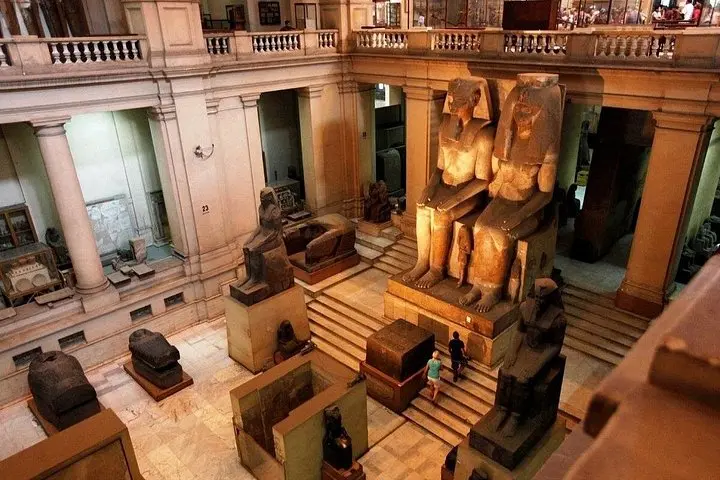
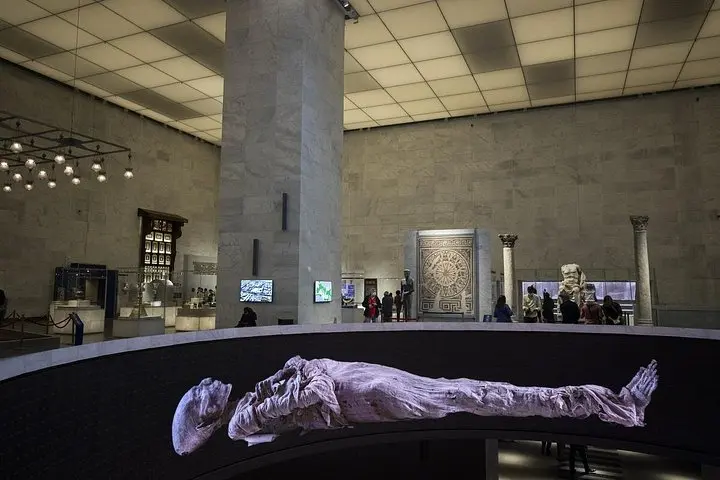
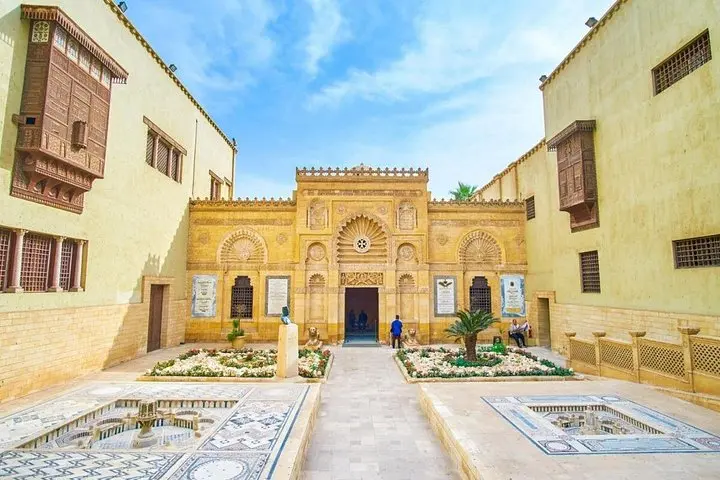
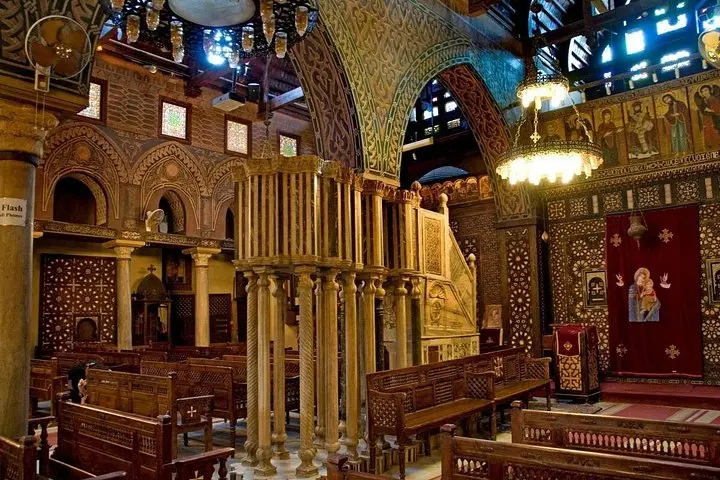
This private four-day itinerary threads through layers of Egypt’s past. The Giza Plateau displays Old Kingdom engineering; the Egyptian Museum houses tens of thousands of artifacts including Tutankhamun’s gold; the Citadel, built by Salah al-Din in the 12th century, perches on a rocky ridge with views across the city; and Old Cairo preserves Christian and Jewish sites that predate modern Cairo. Geologically, the pyramids sit on Eocene limestone bedrock that made cutting and placement reliable for ancient builders.
Expect a mix of short walks (1–3 km at archaeological sites), paved city streets, and uneven desert surfaces. Mornings are best at Giza to avoid heat and crowds; museum visits pair well with afternoon shade. Dress conservatively for mosque visits; bring sun protection and a small daypack. Guides handle logistics — entry fees, transfers, and local context — but you’ll still navigate busy bazaars where bargaining and small‑change matter.
Practical rhythm: early starts at 7–8am for outdoor sites, slower midday museum time, and a relaxed final morning before airport transfer. Hydrate early, wear sturdy walking shoes, and carry identification for museum entry and domestic transfers.
This private tour lists entrance fees to the mentioned sites as included; confirm specifics with the operator at booking.
Yes — the itinerary is rated easy with private transfers, but mobility limitations may restrict access to some uneven or stepped areas.
Many nationalities can obtain an Egyptian visa on arrival or e‑visa; check current embassy guidance before travel and have passport details ready for booking.
Interior access to the Great Pyramid is historically restricted and subject to change; the tour indicates admission included for listed sites but interior entries depend on current site regulations.
Luxor Private Day Tours operates guided outdoor trips and adventures with an emphasis on safety, stewardship, and memorable experiences.
You step from the hotel into a city where history presses close: the desert plateaus of Giza rise like an old city wall, and the Nile moves through Cairo with the quiet insistence of a river that has carried civilizations. On day two the Great Pyramid looms above the sandy sweep — a geometric mountain of limestone blocks — while the Sphinx keeps its watch, wind-smoothed and immovable.
You step from the hotel into a city where history presses close: the desert plateaus of Giza rise like an old city wall, and the Nile moves through Cairo with the quiet insistence of a river that has carried civilizations. On day two the Great Pyramid looms above the sandy sweep — a geometric mountain of limestone blocks — while the Sphinx keeps its watch, wind-smoothed and immovable.
This private four-day itinerary threads through layers of Egypt’s past. The Giza Plateau displays Old Kingdom engineering; the Egyptian Museum houses tens of thousands of artifacts including Tutankhamun’s gold; the Citadel, built by Salah al-Din in the 12th century, perches on a rocky ridge with views across the city; and Old Cairo preserves Christian and Jewish sites that predate modern Cairo. Geologically, the pyramids sit on Eocene limestone bedrock that made cutting and placement reliable for ancient builders.
Expect a mix of short walks (1–3 km at archaeological sites), paved city streets, and uneven desert surfaces. Mornings are best at Giza to avoid heat and crowds; museum visits pair well with afternoon shade. Dress conservatively for mosque visits; bring sun protection and a small daypack. Guides handle logistics — entry fees, transfers, and local context — but you’ll still navigate busy bazaars where bargaining and small‑change matter.
Practical rhythm: early starts at 7–8am for outdoor sites, slower midday museum time, and a relaxed final morning before airport transfer. Hydrate early, wear sturdy walking shoes, and carry identification for museum entry and domestic transfers.