THE ADVENTURE COLLECTIVE® · Independent discovery and booking for outdoor travel

Hit four of China’s signature destinations in four days: walk the Mutianyu Great Wall, cycle atop Xi’an’s city wall, meet pandas in Chengdu, and finish amid Shanghai’s skyline. This private itinerary balances iconic sites with seamless transfers.
Hit four of China’s signature destinations in four days: walk the Mutianyu Great Wall, cycle atop Xi’an’s city wall, meet pandas in Chengdu, and finish amid Shanghai’s skyline. This private itinerary balances iconic sites with seamless transfers.
Morning light hits the watchtowers at Mutianyu as the group steps from a cable car onto the Great Wall; wind pushes at your jacket and the stone underfoot remembers centuries of footsteps. From there the pace shifts—imperial courtyards, city walls, and the hush of a panda enclosure—each city handing you a different rhythm of China.
Verified experiences and guided adventures in the surrounding area.
Operated by Urban Passer · Beijing, Beijing
Morning light hits the watchtowers at Mutianyu as the group steps from a cable car onto the Great Wall; wind pushes at your jacket and the stone underfoot remembers centuries of footsteps. From there the pace shifts—imperial courtyards, city walls, and the hush of a panda enclosure—each city handing you a different rhythm of China.
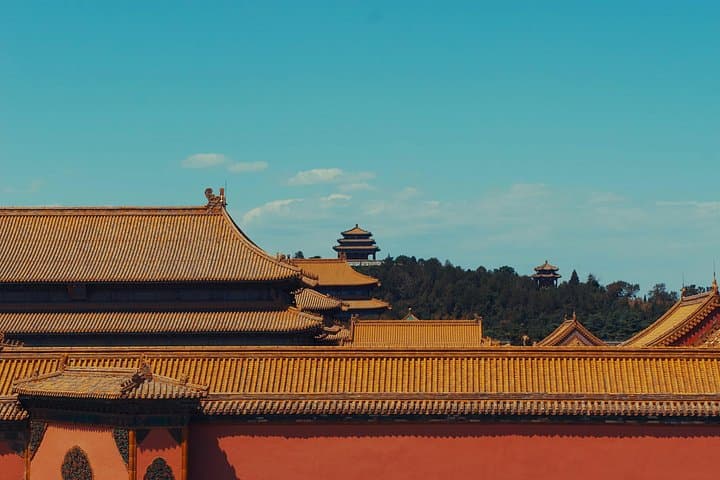
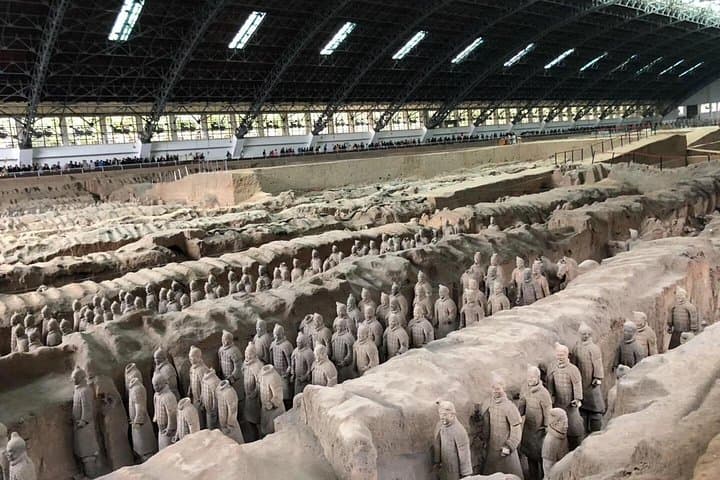
This four-day private tour threads together core chapters of Chinese history: Beijing's Ming and Qing imperial architecture, Xi'an's Tang-era role as Silk Road terminus and home to the Terracotta Army, Chengdu's millennia-old tea culture and panda conservation, then the modern skyline of Shanghai. Geology and urban growth intersect visibly—granite ramparts and Qinling foothills give way to the Sichuan Basin and the alluvial plain where Shanghai rose as a port.
Local culture is tactile: Peking duck carved at a lacquered table, hand-pulled noodles in Xi'an, Sichuan hot pot steam and spice, slow tea service in a temple courtyard. Conservation notes surface along the way—respect viewing distances at the Chengdu research base and follow rules at UNESCO sites.
Practical guidance: plan for early starts and efficient transfers—high-speed trains cover long distances but require passports for boarding; the Forbidden City is closed Mondays. Pack comfortable walking shoes, a compact daypack, and layers for rapid temperature shifts between sites. Hydrate and keep snacks for long transfer days; inform operators of dietary needs in advance. The itinerary fits travelers who want concentrated cultural immersion with logistic polish—expect walking, short climbs on historic sites, and curated local experiences rather than wilderness-style trekking.
Yes — the itinerary includes bullet train segments (Beijing–Xi'an, Xi'an–Chengdu) and a flight Chengdu–Shanghai as listed; local airport transfer on the final day is included.
Most international travelers need a Chinese visa—check embassy requirements well before booking and bring the visa for hotel and train reservations.
The tour notes infants must sit on laps; it’s described as physically easy, but consider long transfer times and early starts for younger children.
The operator asks for special requirements at booking—notify them in advance and they will accommodate non-spicy or dietary needs where possible.
Urban Passer operates guided outdoor trips and adventures with an emphasis on safety, stewardship, and memorable experiences.

Morning light hits the watchtowers at Mutianyu as the group steps from a cable car onto the Great Wall; wind pushes at your jacket and the stone underfoot remembers centuries of footsteps. From there the pace shifts—imperial courtyards, city walls, and the hush of a panda enclosure—each city handing you a different rhythm of China.
Morning light hits the watchtowers at Mutianyu as the group steps from a cable car onto the Great Wall; wind pushes at your jacket and the stone underfoot remembers centuries of footsteps. From there the pace shifts—imperial courtyards, city walls, and the hush of a panda enclosure—each city handing you a different rhythm of China.
This four-day private tour threads together core chapters of Chinese history: Beijing's Ming and Qing imperial architecture, Xi'an's Tang-era role as Silk Road terminus and home to the Terracotta Army, Chengdu's millennia-old tea culture and panda conservation, then the modern skyline of Shanghai. Geology and urban growth intersect visibly—granite ramparts and Qinling foothills give way to the Sichuan Basin and the alluvial plain where Shanghai rose as a port.
Local culture is tactile: Peking duck carved at a lacquered table, hand-pulled noodles in Xi'an, Sichuan hot pot steam and spice, slow tea service in a temple courtyard. Conservation notes surface along the way—respect viewing distances at the Chengdu research base and follow rules at UNESCO sites.
Practical guidance: plan for early starts and efficient transfers—high-speed trains cover long distances but require passports for boarding; the Forbidden City is closed Mondays. Pack comfortable walking shoes, a compact daypack, and layers for rapid temperature shifts between sites. Hydrate and keep snacks for long transfer days; inform operators of dietary needs in advance. The itinerary fits travelers who want concentrated cultural immersion with logistic polish—expect walking, short climbs on historic sites, and curated local experiences rather than wilderness-style trekking.