THE ADVENTURE COLLECTIVE® · Independent discovery and booking for outdoor travel

A four-day private loop from Cusco that threads steep Apurimac canyon switchbacks to the remote Inca site of Choquequirao. Expect long ascents, horse-supported camping and dramatic condor-filled sunsets.
A four-day private loop from Cusco that threads steep Apurimac canyon switchbacks to the remote Inca site of Choquequirao. Expect long ascents, horse-supported camping and dramatic condor-filled sunsets.
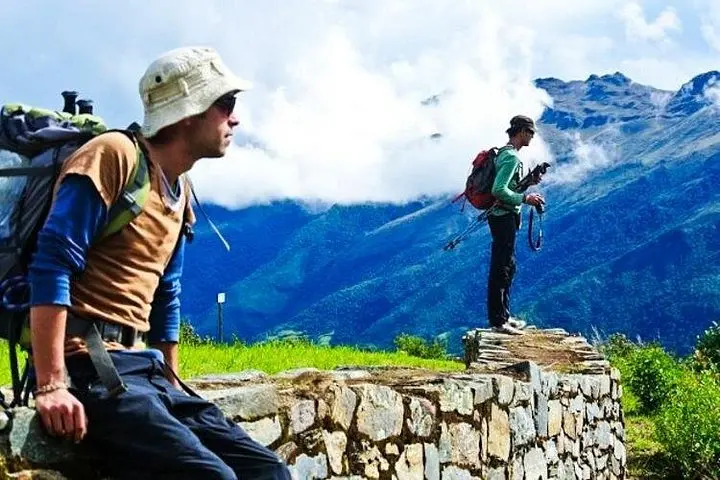
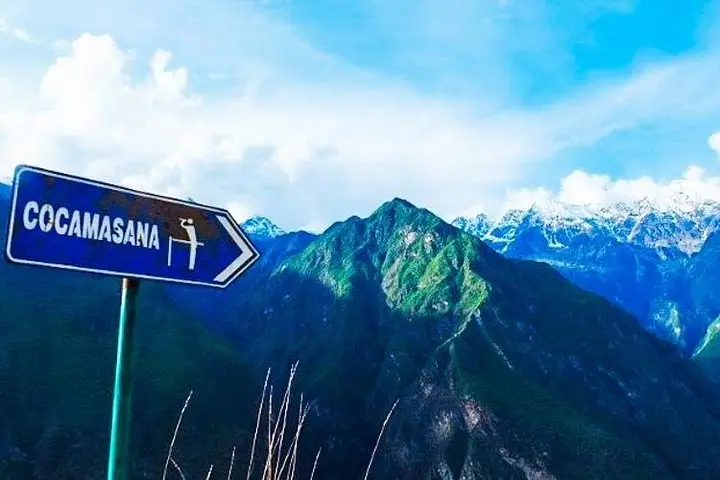
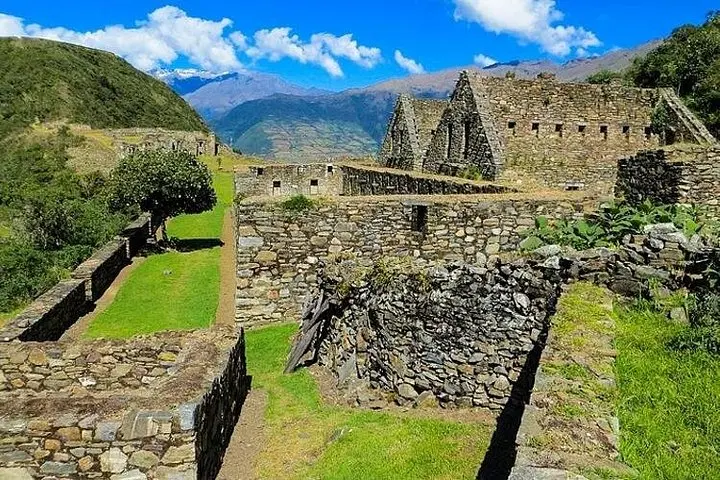
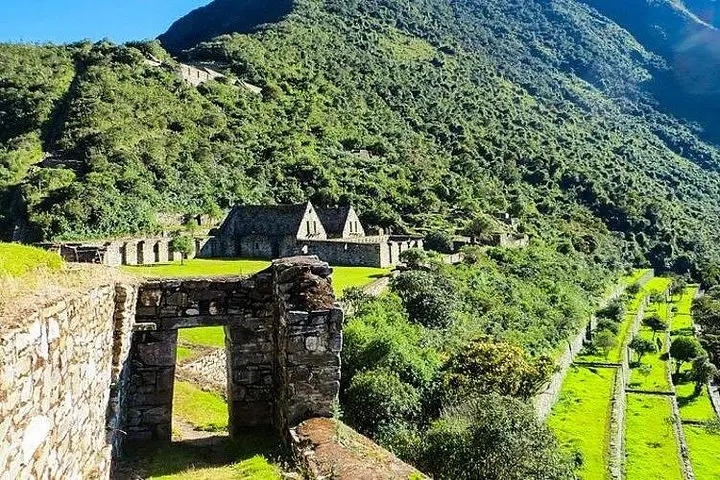
You leave Cusco before dawn, the city lights shrinking as the road descends toward Cachora. The air thins into canyon wind; the Apurimac River calls below and condors wheel like living weather above the rim. By the second day the trail trades cultivated terraces for steep switchbacks and cloud-forest gullies, and the stone forms of Choquequirao emerge on a high shoulder above the canyon—granite platforms and agricultural steps cut into the mountain like practical scaffolding for an empire.
Verified experiences and guided adventures in the surrounding area.
Operated by Bamba Travel · Cusco, Cusco
You leave Cusco before dawn, the city lights shrinking as the road descends toward Cachora. The air thins into canyon wind; the Apurimac River calls below and condors wheel like living weather above the rim. By the second day the trail trades cultivated terraces for steep switchbacks and cloud-forest gullies, and the stone forms of Choquequirao emerge on a high shoulder above the canyon—granite platforms and agricultural steps cut into the mountain like practical scaffolding for an empire.
Choquequirao dates to the late Inca period and shares construction logic with Machu Picchu: terraces, plazas and finely cut masonry positioned for defense and agriculture. Geologically the route follows the Apurimac gorge — volcanic and metamorphic rock folded and carved by river incision — creating dramatic elevation swings from ~1,550m at the river to ~3,110m at the ruins. Local Quechua communities still work the fields around Cachora and Marampata; trekking here supports small, local economies and retains a quieter, less touristed feel than the Sacred Valley.
Practically: this private 4-day loop covers long descents and steep climbs (expect sustained ascents of 600–1,500 vertical meters in a day), 4–8 hours hiking daily, camping in basic sites with cold showers, and a horse-supported kit system that limits personal pack weight to about 7 kg. Acclimatize in Cusco, start hikes early to avoid canyon heat, carry layered clothing for sharp temperature swings, and budget water and electrolytes — the canyon rewards effort with wide views and condors at sunset.
Physically challenging due to long days, steep elevation change and high-altitude sections; recommended for trekkers with prior multi-day hiking experience.
No—tents, foam mats and cooking equipment are carried by horses; trekkers should limit their personal pack to the allowed 7 kg.
The dry season (May–September) offers the most stable conditions and clearer views; rains are common November–March and make trails slippery.
Wildlife encounters are generally non-threatening—look for condors and small mammals; follow guides' instructions and store food properly at camp.
Bamba Travel operates guided outdoor trips and adventures with an emphasis on safety, stewardship, and memorable experiences.
You leave Cusco before dawn, the city lights shrinking as the road descends toward Cachora. The air thins into canyon wind; the Apurimac River calls below and condors wheel like living weather above the rim. By the second day the trail trades cultivated terraces for steep switchbacks and cloud-forest gullies, and the stone forms of Choquequirao emerge on a high shoulder above the canyon—granite platforms and agricultural steps cut into the mountain like practical scaffolding for an empire.
You leave Cusco before dawn, the city lights shrinking as the road descends toward Cachora. The air thins into canyon wind; the Apurimac River calls below and condors wheel like living weather above the rim. By the second day the trail trades cultivated terraces for steep switchbacks and cloud-forest gullies, and the stone forms of Choquequirao emerge on a high shoulder above the canyon—granite platforms and agricultural steps cut into the mountain like practical scaffolding for an empire.
Choquequirao dates to the late Inca period and shares construction logic with Machu Picchu: terraces, plazas and finely cut masonry positioned for defense and agriculture. Geologically the route follows the Apurimac gorge — volcanic and metamorphic rock folded and carved by river incision — creating dramatic elevation swings from ~1,550m at the river to ~3,110m at the ruins. Local Quechua communities still work the fields around Cachora and Marampata; trekking here supports small, local economies and retains a quieter, less touristed feel than the Sacred Valley.
Practically: this private 4-day loop covers long descents and steep climbs (expect sustained ascents of 600–1,500 vertical meters in a day), 4–8 hours hiking daily, camping in basic sites with cold showers, and a horse-supported kit system that limits personal pack weight to about 7 kg. Acclimatize in Cusco, start hikes early to avoid canyon heat, carry layered clothing for sharp temperature swings, and budget water and electrolytes — the canyon rewards effort with wide views and condors at sunset.