THE ADVENTURE COLLECTIVE® · Independent discovery and booking for outdoor travel

A private, four-day driving loop through Delhi, Agra and Jaipur that pairs sunrise visits to the Taj Mahal with fortress tours, local markets and curated cultural insight—ideal for first-time visitors who want history without the hassle.
A private, four-day driving loop through Delhi, Agra and Jaipur that pairs sunrise visits to the Taj Mahal with fortress tours, local markets and curated cultural insight—ideal for first-time visitors who want history without the hassle.
You step from an air-conditioned sedan into the blue-grey hush before sunrise at the Taj Mahal, marble warming slowly as the sun nudges the Yamuna. The road has already given up its city clamor and the guide’s voice slides into the story—emperors, artisans, and the politics of stone. Over four days the car becomes your observatory: wide avenues and colonial boulevards in Delhi, the river plains and red sandstone ramparts of Agra, and the sun-baked pink facades of Jaipur pressed against the Aravalli foothills.
Verified experiences and guided adventures in the surrounding area.
Operated by Keeper Landwey · Delhi, Delhi
You step from an air-conditioned sedan into the blue-grey hush before sunrise at the Taj Mahal, marble warming slowly as the sun nudges the Yamuna. The road has already given up its city clamor and the guide’s voice slides into the story—emperors, artisans, and the politics of stone. Over four days the car becomes your observatory: wide avenues and colonial boulevards in Delhi, the river plains and red sandstone ramparts of Agra, and the sun-baked pink facades of Jaipur pressed against the Aravalli foothills.
The route threads Mughal monuments and Rajput forts. Qutub Minar and Humayun’s Tomb mark early Indo-Islamic architectural experiments; Shah Jahan’s Taj and Agra Fort reveal the marble and pietra dura peak; Jaipur’s Jantar Mantar and City Palace show a later courtly science and spectacle. Geology sharpens the scene — the Aravalli’s ancient ridges slope into ochre sandstone, while the Gangetic plains cradle the Yamuna’s slow, silty course that nourished the Mughal courts.
Culturally, each city offers markets that push and prod the senses: spice-scented lanes in Chandni Chowk, lacquer and textile craft in Jaipur. Practicalities matter: early starts beat crowds at the Taj; comfortable walking shoes handle uneven courtyards and stepwells; carry ID for monument entry and small bills for tips. Expect long drives between cities (3–5 hours), flexible pacing with private guides, and accessible transport options. Hydrate in the heat, plan for mosque and temple dress codes, and book sunrise Taj entry in advance. This itinerary balances focused history with manageable logistics — a concentrated primer on North India’s most visited cultural circuit.
The Taj Mahal is closed on Fridays for prayer; plan your itinerary accordingly and book tickets in advance for sunrise visits.
Yes — hotel and airport pick-up and drop-off in Delhi, Agra and Jaipur are provided according to booking details.
Many transport and major sites offer accessible routes, but some historic monuments have steps; contact the operator to arrange specific accessibility needs.
The private format allows customization—guides typically include set visits but will accommodate extra time in markets or photo stops when possible.
Keeper Landwey operates guided outdoor trips and adventures with an emphasis on safety, stewardship, and memorable experiences.
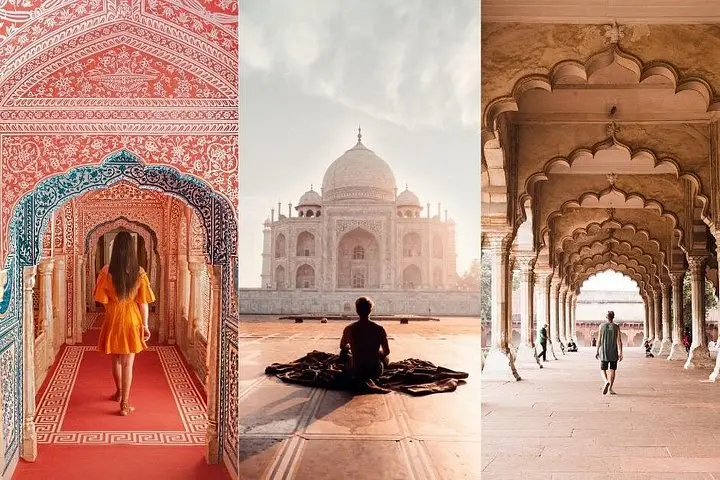
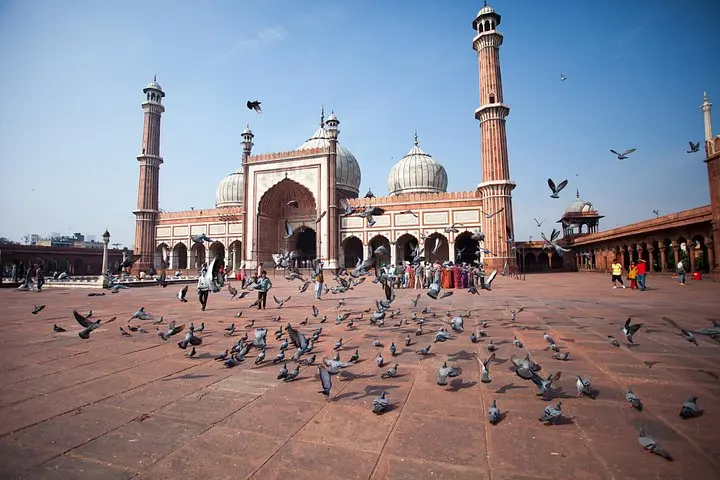
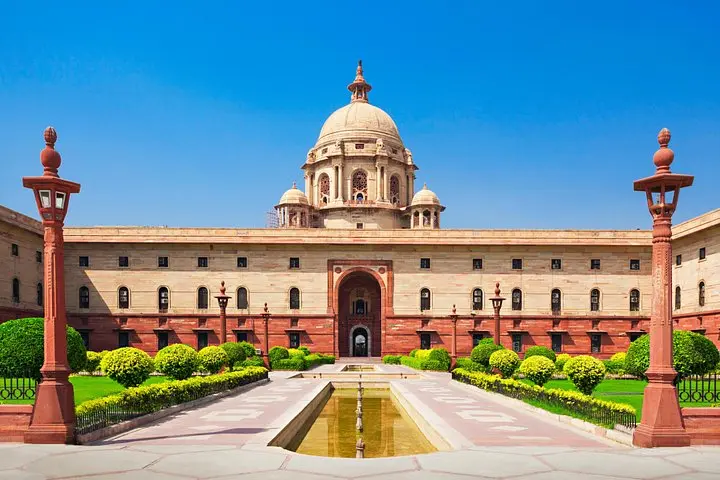
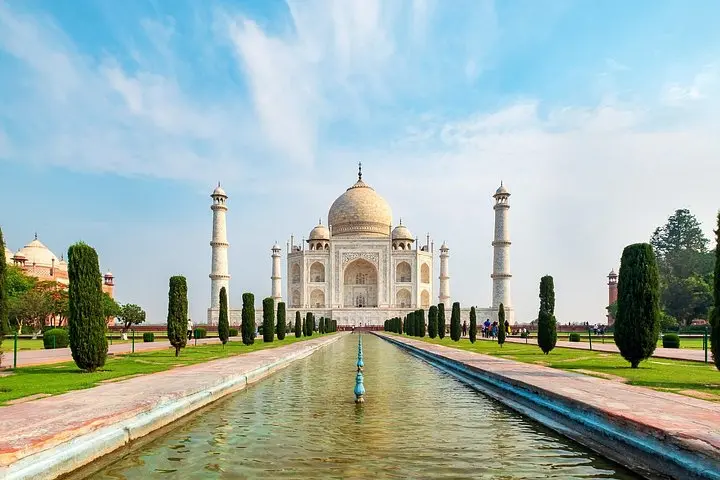
You step from an air-conditioned sedan into the blue-grey hush before sunrise at the Taj Mahal, marble warming slowly as the sun nudges the Yamuna. The road has already given up its city clamor and the guide’s voice slides into the story—emperors, artisans, and the politics of stone. Over four days the car becomes your observatory: wide avenues and colonial boulevards in Delhi, the river plains and red sandstone ramparts of Agra, and the sun-baked pink facades of Jaipur pressed against the Aravalli foothills.
You step from an air-conditioned sedan into the blue-grey hush before sunrise at the Taj Mahal, marble warming slowly as the sun nudges the Yamuna. The road has already given up its city clamor and the guide’s voice slides into the story—emperors, artisans, and the politics of stone. Over four days the car becomes your observatory: wide avenues and colonial boulevards in Delhi, the river plains and red sandstone ramparts of Agra, and the sun-baked pink facades of Jaipur pressed against the Aravalli foothills.
The route threads Mughal monuments and Rajput forts. Qutub Minar and Humayun’s Tomb mark early Indo-Islamic architectural experiments; Shah Jahan’s Taj and Agra Fort reveal the marble and pietra dura peak; Jaipur’s Jantar Mantar and City Palace show a later courtly science and spectacle. Geology sharpens the scene — the Aravalli’s ancient ridges slope into ochre sandstone, while the Gangetic plains cradle the Yamuna’s slow, silty course that nourished the Mughal courts.
Culturally, each city offers markets that push and prod the senses: spice-scented lanes in Chandni Chowk, lacquer and textile craft in Jaipur. Practicalities matter: early starts beat crowds at the Taj; comfortable walking shoes handle uneven courtyards and stepwells; carry ID for monument entry and small bills for tips. Expect long drives between cities (3–5 hours), flexible pacing with private guides, and accessible transport options. Hydrate in the heat, plan for mosque and temple dress codes, and book sunrise Taj entry in advance. This itinerary balances focused history with manageable logistics — a concentrated primer on North India’s most visited cultural circuit.