THE ADVENTURE COLLECTIVE® · Independent discovery and booking for outdoor travel

Cover Delhi, Agra and Jaipur in a compact private itinerary that balances iconic monuments with market stops and guided context. Expect long drives across the fertile Gangetic plain, curated visits to the Taj Mahal, Agra Fort, Fatehpur Sikri and Jaipur’s palaces, and practical tips for pacing your days.
Cover Delhi, Agra and Jaipur in a compact private itinerary that balances iconic monuments with market stops and guided context. Expect long drives across the fertile Gangetic plain, curated visits to the Taj Mahal, Agra Fort, Fatehpur Sikri and Jaipur’s palaces, and practical tips for pacing your days.
Morning light over Old Delhi compresses the city into a single breath: the call of a muezzin, rickshaw bells, and the slow wash of traffic as the group departs for Agra. Over four days this private circuit moves through the flat Gangetic plains, trading Delhi’s colonial avenues for the white marble hush of the Taj Mahal and the pink sandstone palaces of Jaipur.
Verified experiences and guided adventures in the surrounding area.
Operated by Samay Travels · New Delhi, Delhi
Morning light over Old Delhi compresses the city into a single breath: the call of a muezzin, rickshaw bells, and the slow wash of traffic as the group departs for Agra. Over four days this private circuit moves through the flat Gangetic plains, trading Delhi’s colonial avenues for the white marble hush of the Taj Mahal and the pink sandstone palaces of Jaipur.
The route maps three eras: Mughal monumentality at Humayun’s Tomb and the Taj (17th century), Akbar’s majestic complex at Fatehpur Sikri (16th century), and the Rajput courts of Amber and City Palace in Jaipur. Geologically the land is alluvial—soft soils that made possible the wide gardens and reflective pools that regulate microclimates around these monuments.
Culturally, expect layered rhythms: morning prayers in Old Delhi, market bargaining in Chandni Chowk, and evening bazaars in Jaipur where block-printed textiles and lac jewelry rule. Local guides illuminate craft traditions and tell the human stories behind marble and fresco.
Practical guidance: drives are the day’s backbone—Delhi to Agra about 3–4 hours, Agra to Jaipur via Fatehpur Sikri ~4–5 hours, and return to Delhi ~5–6 hours—so travel light and favor breathable layers. Comfortable walking shoes are essential for uneven fort courtyards; carry a refillable water bottle and sun protection. Sunrise at the Taj or late afternoon at Amber Fort offer the best light and fewer crowds. Time your visits to monuments around cooler hours and allow extra minutes for security screening.
This private format suits travelers who want guided history, flexible pacing, and door-to-door transport without skipping the small markets and quiet viewpoints that reveal the region’s texture.
Many public areas and transport can accommodate wheelchairs, but some historic sites have steps and uneven surfaces—check specific site access ahead of time.
October to March offers cooler temperatures and clearer skies; summer months (April–June) are hot and humid across North India.
This private option includes entry to the monuments listed in the itinerary; confirm specific inclusions when booking.
The itinerary includes optional stops in markets like Chandni Chowk and Jaipur bazaars—plan 1–2 hours if you want to shop.
Samay Travels operates guided outdoor trips and adventures with an emphasis on safety, stewardship, and memorable experiences.
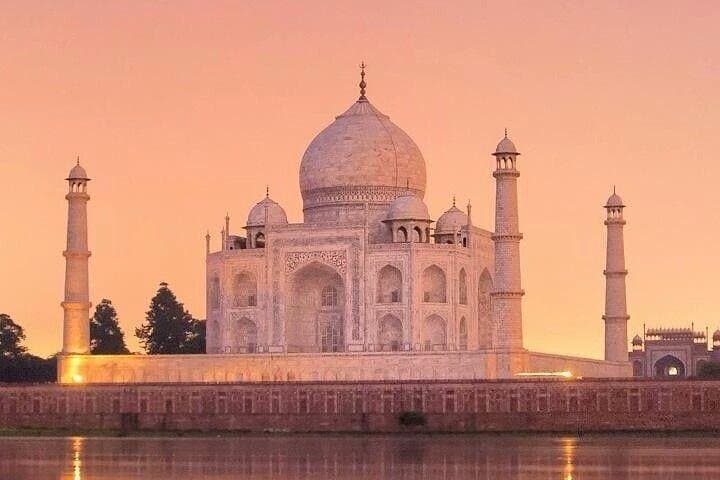
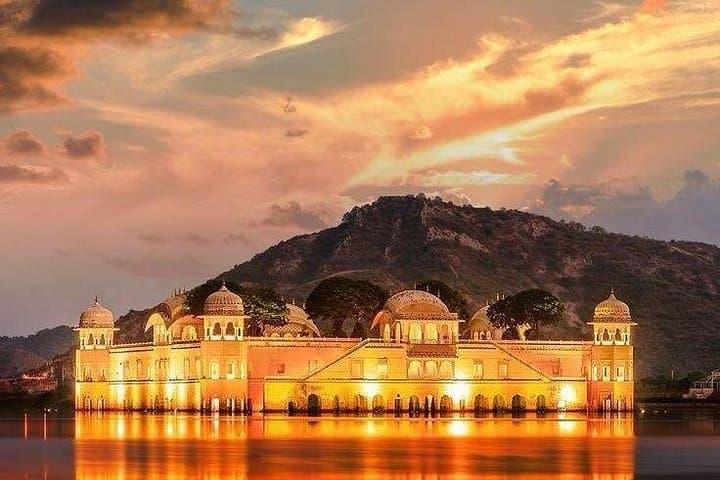
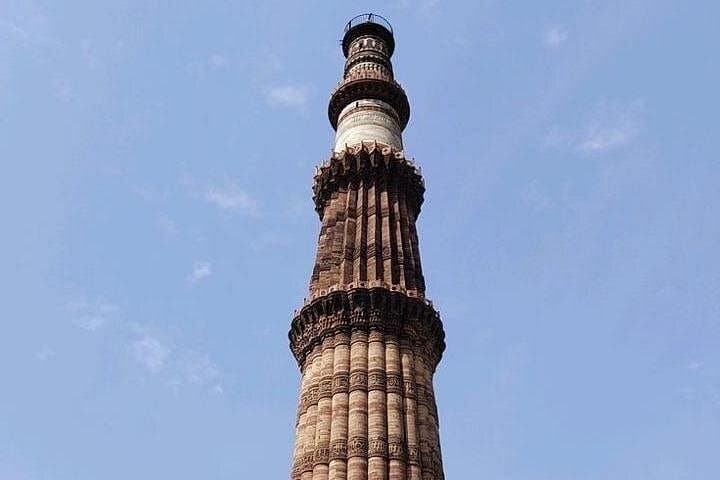
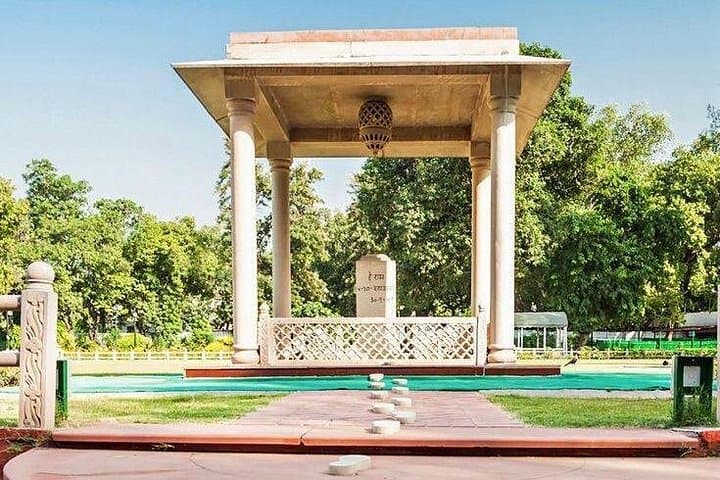
Morning light over Old Delhi compresses the city into a single breath: the call of a muezzin, rickshaw bells, and the slow wash of traffic as the group departs for Agra. Over four days this private circuit moves through the flat Gangetic plains, trading Delhi’s colonial avenues for the white marble hush of the Taj Mahal and the pink sandstone palaces of Jaipur.
Morning light over Old Delhi compresses the city into a single breath: the call of a muezzin, rickshaw bells, and the slow wash of traffic as the group departs for Agra. Over four days this private circuit moves through the flat Gangetic plains, trading Delhi’s colonial avenues for the white marble hush of the Taj Mahal and the pink sandstone palaces of Jaipur.
The route maps three eras: Mughal monumentality at Humayun’s Tomb and the Taj (17th century), Akbar’s majestic complex at Fatehpur Sikri (16th century), and the Rajput courts of Amber and City Palace in Jaipur. Geologically the land is alluvial—soft soils that made possible the wide gardens and reflective pools that regulate microclimates around these monuments.
Culturally, expect layered rhythms: morning prayers in Old Delhi, market bargaining in Chandni Chowk, and evening bazaars in Jaipur where block-printed textiles and lac jewelry rule. Local guides illuminate craft traditions and tell the human stories behind marble and fresco.
Practical guidance: drives are the day’s backbone—Delhi to Agra about 3–4 hours, Agra to Jaipur via Fatehpur Sikri ~4–5 hours, and return to Delhi ~5–6 hours—so travel light and favor breathable layers. Comfortable walking shoes are essential for uneven fort courtyards; carry a refillable water bottle and sun protection. Sunrise at the Taj or late afternoon at Amber Fort offer the best light and fewer crowds. Time your visits to monuments around cooler hours and allow extra minutes for security screening.
This private format suits travelers who want guided history, flexible pacing, and door-to-door transport without skipping the small markets and quiet viewpoints that reveal the region’s texture.