THE ADVENTURE COLLECTIVE® · Independent discovery and booking for outdoor travel

A four-day private hike along the original 43 km Inca Trail, finishing at Machu Picchu at sunrise. Expect steep stone stairways, high-altitude passes, cloud forest camping, and rich archaeological stops along the way.
A four-day private hike along the original 43 km Inca Trail, finishing at Machu Picchu at sunrise. Expect steep stone stairways, high-altitude passes, cloud forest camping, and rich archaeological stops along the way.
Dawn at Piscacucho feels like the trail waking up; mist lifts off the Urubamba River and the stone path ahead resolves into a ribbon of carved steps and switchbacks. You shoulder a daypack, the guide checks passports at the checkpoint, and the trail—lined with high grasses and small Inca ruins—begins to climb. The Andean air is thin and honest; each step asks for attention.
Verified experiences and guided adventures in the surrounding area.
Operated by Bamba Travel · Aguas Calientes, Cusco Region
Dawn at Piscacucho feels like the trail waking up; mist lifts off the Urubamba River and the stone path ahead resolves into a ribbon of carved steps and switchbacks. You shoulder a daypack, the guide checks passports at the checkpoint, and the trail—lined with high grasses and small Inca ruins—begins to climb. The Andean air is thin and honest; each step asks for attention.
This four-day, 43 km route follows original Inca causeways through changing environments: arid river valley, exposed alpine ridgelines, cloud forest and the high jungle above Aguas Calientes. Geologically, you cross Cretaceous-to-Tertiary sediments sculpted by glacial action and river incision; Dead Woman’s Pass (4,215 m) sits on a saddle hewn from uplifted strata. Culturally the trail threads small archaeological sites—Sayacmarca, Phuyupatamarca—each a practical stop on an ancient network that fed and defended the capital.
Expect long days on stone stairways and dirt paths, a maximum single ascent of about 1,200 m, camps at 2,980–2,650 m, and a sunrise arrival through the Sun Gate into Machu Picchu. Guides and porters handle camp logistics; bring a sturdy pair of boots, layers for rapid weather shifts, and time for acclimatization in Cusco beforehand.
Practical tip: walk steady on ascents to conserve oxygen; hydrate frequently and use sunscreen—UV is strong above 3,000 m. Plan extra rest days in Cusco if you haven’t been at altitude. When the trail opens onto Machu Picchu in morning light, the payoff is immediate: the stones hold history, and the mountains push you forward one last time.
Yes—permits are limited and tied to passports; they must be booked well in advance through authorized operators.
The dry season (May–September) offers more stable weather and clearer views, though trail use is higher; the wet season has fewer crowds but more mud and rain.
It’s the hardest day—about 6–7 hours with 1,200 m ascent; pacing, adequate hydration, and trekking poles make it manageable for fit hikers.
Yes, but these must be booked in advance with your Machu Picchu entrance ticket as slots are limited.
Bamba Travel operates guided outdoor trips and adventures with an emphasis on safety, stewardship, and memorable experiences.
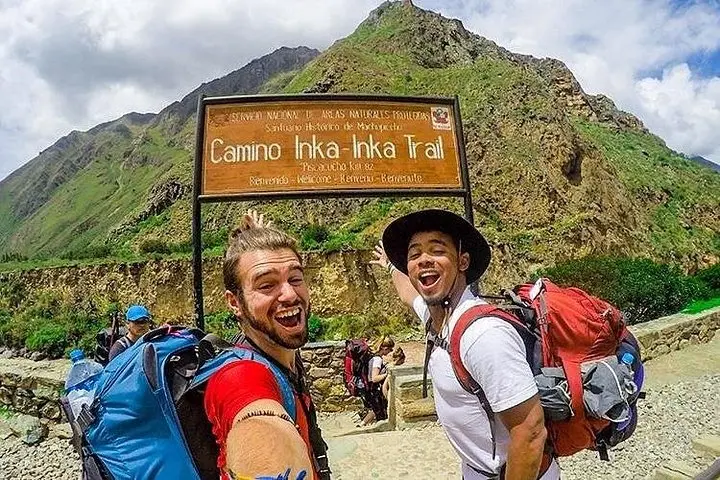
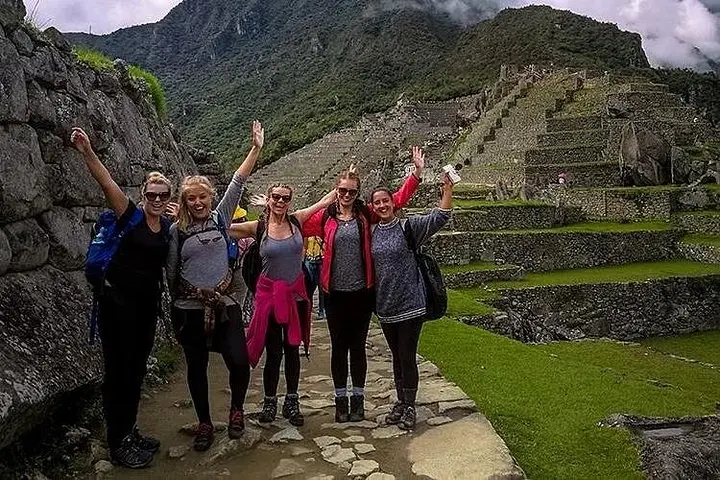
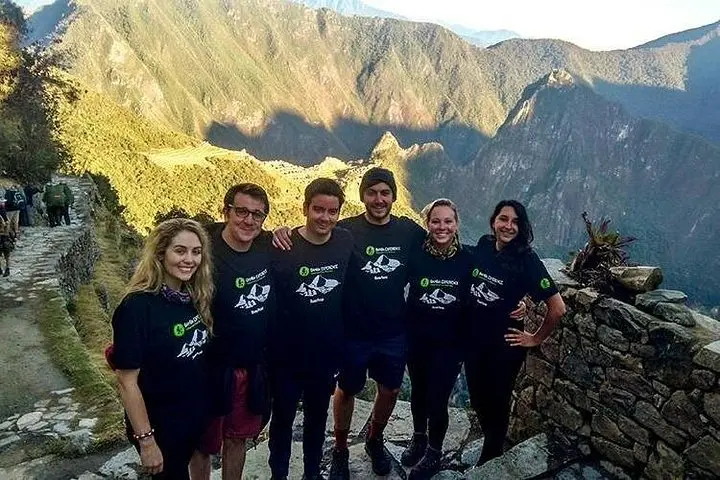
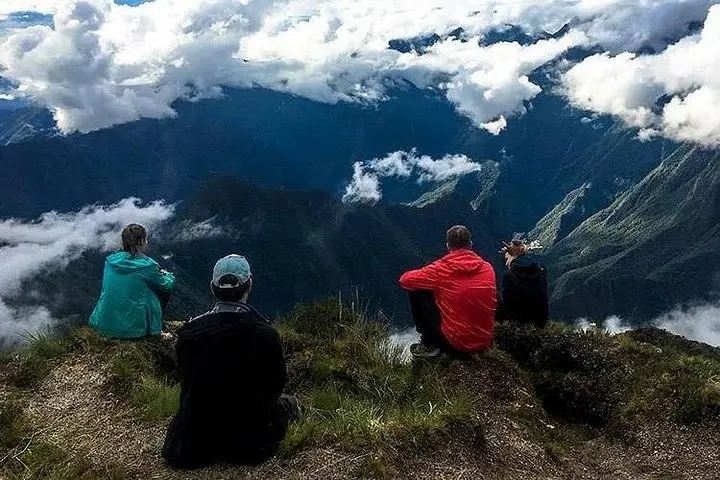
Dawn at Piscacucho feels like the trail waking up; mist lifts off the Urubamba River and the stone path ahead resolves into a ribbon of carved steps and switchbacks. You shoulder a daypack, the guide checks passports at the checkpoint, and the trail—lined with high grasses and small Inca ruins—begins to climb. The Andean air is thin and honest; each step asks for attention.
Dawn at Piscacucho feels like the trail waking up; mist lifts off the Urubamba River and the stone path ahead resolves into a ribbon of carved steps and switchbacks. You shoulder a daypack, the guide checks passports at the checkpoint, and the trail—lined with high grasses and small Inca ruins—begins to climb. The Andean air is thin and honest; each step asks for attention.
This four-day, 43 km route follows original Inca causeways through changing environments: arid river valley, exposed alpine ridgelines, cloud forest and the high jungle above Aguas Calientes. Geologically, you cross Cretaceous-to-Tertiary sediments sculpted by glacial action and river incision; Dead Woman’s Pass (4,215 m) sits on a saddle hewn from uplifted strata. Culturally the trail threads small archaeological sites—Sayacmarca, Phuyupatamarca—each a practical stop on an ancient network that fed and defended the capital.
Expect long days on stone stairways and dirt paths, a maximum single ascent of about 1,200 m, camps at 2,980–2,650 m, and a sunrise arrival through the Sun Gate into Machu Picchu. Guides and porters handle camp logistics; bring a sturdy pair of boots, layers for rapid weather shifts, and time for acclimatization in Cusco beforehand.
Practical tip: walk steady on ascents to conserve oxygen; hydrate frequently and use sunscreen—UV is strong above 3,000 m. Plan extra rest days in Cusco if you haven’t been at altitude. When the trail opens onto Machu Picchu in morning light, the payoff is immediate: the stones hold history, and the mountains push you forward one last time.