THE ADVENTURE COLLECTIVE® · Independent discovery and booking for outdoor travel

A four-day private journey through Mpumalanga’s Panorama Route and the classic game country of Kruger National Park. Expect dramatic escarpment views, a boat cruise to Kadishi Tufa falls, and multiple game drives in search of the Big Five.
A four-day private journey through Mpumalanga’s Panorama Route and the classic game country of Kruger National Park. Expect dramatic escarpment views, a boat cruise to Kadishi Tufa falls, and multiple game drives in search of the Big Five.
You leave the bustle of Johannesburg before dawn, the city shrinking behind the bus windows as the Highveld gives way to the steep escarpment of Mpumalanga. By mid-afternoon the air smells different — cooler, damp with mountain mist — and you climb to a ledge called God’s Window. The view spills away: a vertiginous drop into escarpment forest, the Blyde River braided far below, and the first real sense that this trip is as much about geology and light as it is about animals.
Verified experiences and guided adventures in the surrounding area.
Operated by TourSouthAfrica · Hazyview, Mpumalanga
You leave the bustle of Johannesburg before dawn, the city shrinking behind the bus windows as the Highveld gives way to the steep escarpment of Mpumalanga. By mid-afternoon the air smells different — cooler, damp with mountain mist — and you climb to a ledge called God’s Window. The view spills away: a vertiginous drop into escarpment forest, the Blyde River braided far below, and the first real sense that this trip is as much about geology and light as it is about animals.
The Panorama Route reads like a natural field guide. Quartzkop tors and weathered sandstone frame the Rain Forest understorey where aloes brighten the winter months. Berlin Falls and Bourke’s Luck Potholes show water’s patient work—whirlpool-polished cylinders and sheets of moss where trickles become cataracts. The boat trip on the Blyde Dam gives the best perspective; the Kadishi Tufa waterfall hangs as a thin, calcareous sheet and the Three Rondavels rise like sculpted sentries. Guides mix natural history with local folklore, explaining how rivers carved a living landscape over eons.
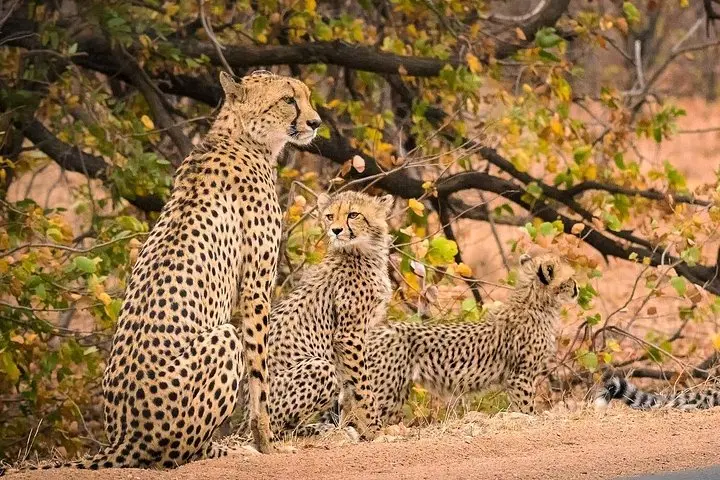
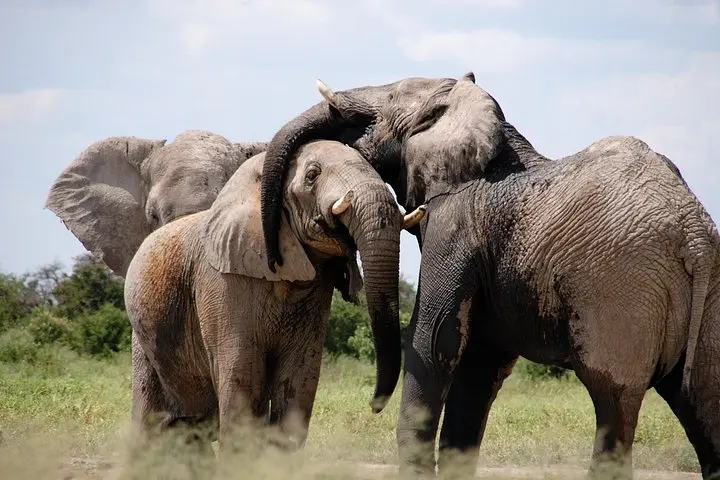
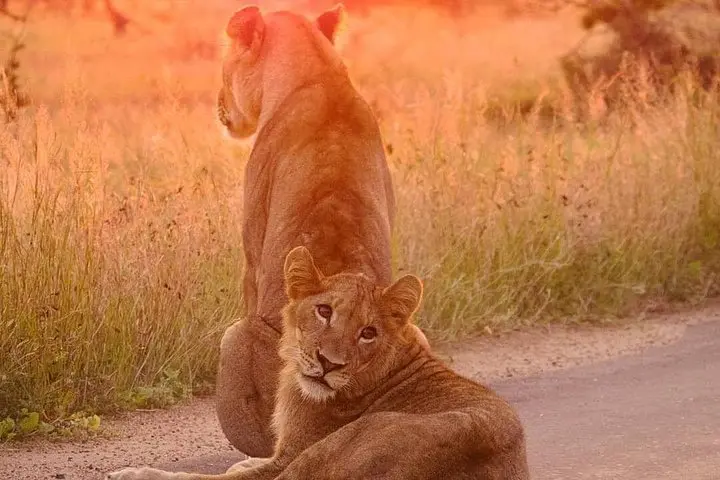
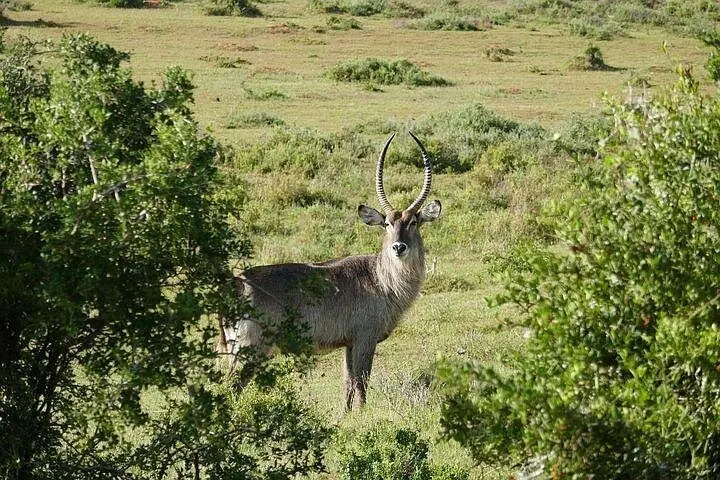
Then the mood changes as you enter Kruger. The scrub opens, termites rise in concentric mounds, and game appears in purposeful scenes — warthogs snuffling, impala in alert herds, a bull elephant moving with the slow certainty of old giants. Three days of guided drives and optional walks stack observations: spoor reading, sun-baked riverbanks where crocodiles lounge, and the slow stalking logic of lions at dusk. The itinerary prioritizes Satara and Lower Sabie country — classic Big Five terrain where visibility is often excellent and predator encounters frequent.
This tour is practical safari travel: transfers from O.R. Tambo, chalet and bungalow lodging inside and near the park, boat and sunset drives included, and local meals that punctuate long days of wildlife watching. Arrive the day before departure — the first transfer to the Panorama Route is a multi-hour drive — and plan return flights no earlier than late evening on day four.
Practical tips: bring mid- to long-range binoculars and a telephoto lens for predators; layer for temperature swings between escarpment and lowveld; follow your ranger’s instructions at all times and remain on designated roads. The Kruger experience rewards patience — mornings and late afternoons are when the park shows itself — and a quiet, watchful approach yields the most memorable sightings.
Whether you’re there for the geology of Mpumalanga or the classic game-scape of Kruger, the four days stitch together two South Africas: a high, green rim of cliffs and the broad, sunlit savannah where animals write their own slow stories.
Plan to be in Johannesburg the day before pickup between 7–8 am; the first driving leg to the Panorama Route takes several hours.
Children under 6 are not permitted on open safari vehicles for safety; they may ride in enclosed vehicles and parents can rotate on drives.
Standard travel vaccinations are recommended; consult a travel clinic for yellow fever entry rules and malaria prophylaxis for Kruger-adjacent areas.
Yes — pickups from OR Tambo or nearby hotels are included; confirm your exact pickup location when booking.
Dry winter months (June–August) offer the best visibility as animals concentrate near water; summer has more newborns and bird activity but more vegetation.
Tipping is customary: small daily tips for ranger and tracker, and a few rand for lodge staff; amounts are flexible based on service.
TourSouthAfrica operates guided outdoor trips and adventures with an emphasis on safety, stewardship, and memorable experiences.
You leave the bustle of Johannesburg before dawn, the city shrinking behind the bus windows as the Highveld gives way to the steep escarpment of Mpumalanga. By mid-afternoon the air smells different — cooler, damp with mountain mist — and you climb to a ledge called God’s Window. The view spills away: a vertiginous drop into escarpment forest, the Blyde River braided far below, and the first real sense that this trip is as much about geology and light as it is about animals.
You leave the bustle of Johannesburg before dawn, the city shrinking behind the bus windows as the Highveld gives way to the steep escarpment of Mpumalanga. By mid-afternoon the air smells different — cooler, damp with mountain mist — and you climb to a ledge called God’s Window. The view spills away: a vertiginous drop into escarpment forest, the Blyde River braided far below, and the first real sense that this trip is as much about geology and light as it is about animals.
The Panorama Route reads like a natural field guide. Quartzkop tors and weathered sandstone frame the Rain Forest understorey where aloes brighten the winter months. Berlin Falls and Bourke’s Luck Potholes show water’s patient work—whirlpool-polished cylinders and sheets of moss where trickles become cataracts. The boat trip on the Blyde Dam gives the best perspective; the Kadishi Tufa waterfall hangs as a thin, calcareous sheet and the Three Rondavels rise like sculpted sentries. Guides mix natural history with local folklore, explaining how rivers carved a living landscape over eons.
Then the mood changes as you enter Kruger. The scrub opens, termites rise in concentric mounds, and game appears in purposeful scenes — warthogs snuffling, impala in alert herds, a bull elephant moving with the slow certainty of old giants. Three days of guided drives and optional walks stack observations: spoor reading, sun-baked riverbanks where crocodiles lounge, and the slow stalking logic of lions at dusk. The itinerary prioritizes Satara and Lower Sabie country — classic Big Five terrain where visibility is often excellent and predator encounters frequent.
This tour is practical safari travel: transfers from O.R. Tambo, chalet and bungalow lodging inside and near the park, boat and sunset drives included, and local meals that punctuate long days of wildlife watching. Arrive the day before departure — the first transfer to the Panorama Route is a multi-hour drive — and plan return flights no earlier than late evening on day four.
Practical tips: bring mid- to long-range binoculars and a telephoto lens for predators; layer for temperature swings between escarpment and lowveld; follow your ranger’s instructions at all times and remain on designated roads. The Kruger experience rewards patience — mornings and late afternoons are when the park shows itself — and a quiet, watchful approach yields the most memorable sightings.
Whether you’re there for the geology of Mpumalanga or the classic game-scape of Kruger, the four days stitch together two South Africas: a high, green rim of cliffs and the broad, sunlit savannah where animals write their own slow stories.