THE ADVENTURE COLLECTIVE® · Independent discovery and booking for outdoor travel

A four-day private circuit through Kullu and Manali that pairs temple visits and hot springs with a high-altitude drive to Rohtang Pass. Ideal for travelers seeking cultural sights and sweeping Himalayan panoramas with minimal trekking.
A four-day private circuit through Kullu and Manali that pairs temple visits and hot springs with a high-altitude drive to Rohtang Pass. Ideal for travelers seeking cultural sights and sweeping Himalayan panoramas with minimal trekking.
Morning light breaks over the Beas River and the road climbs into a Himalayan corridor where cedars lean in as if to listen. On this four-day private circuit, travelers move between Kullu’s green valley floors and Manali’s high ridgelines, stepping from hot springs and stone temples into open meadows and wind-scoured passes.
Verified experiences and guided adventures in the surrounding area.
Operated by Agora Voyages Pvt. Ltd. · Manali, Himachal Pradesh
Morning light breaks over the Beas River and the road climbs into a Himalayan corridor where cedars lean in as if to listen. On this four-day private circuit, travelers move between Kullu’s green valley floors and Manali’s high ridgelines, stepping from hot springs and stone temples into open meadows and wind-scoured passes.
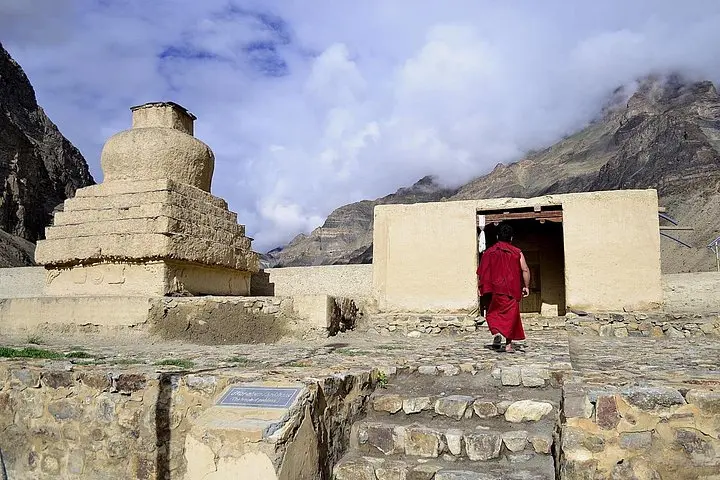
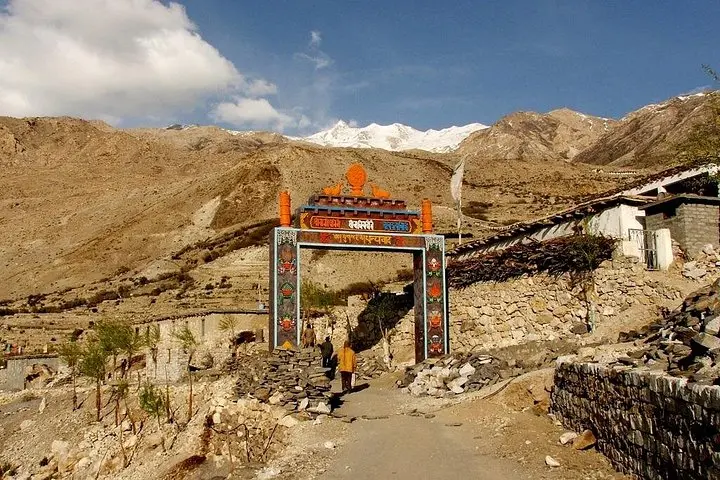
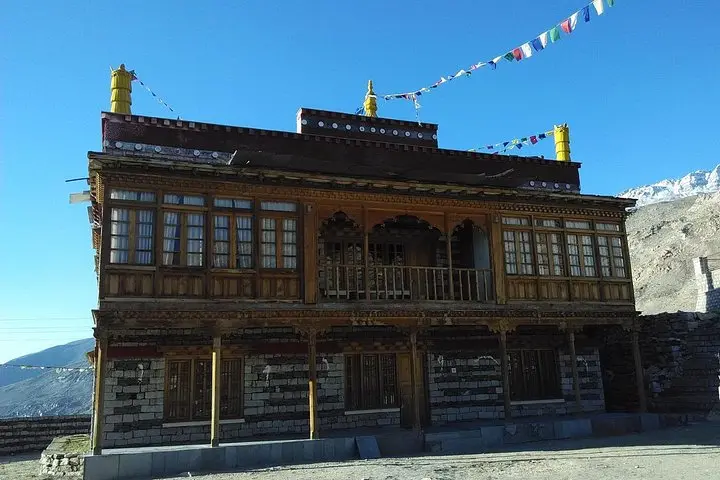
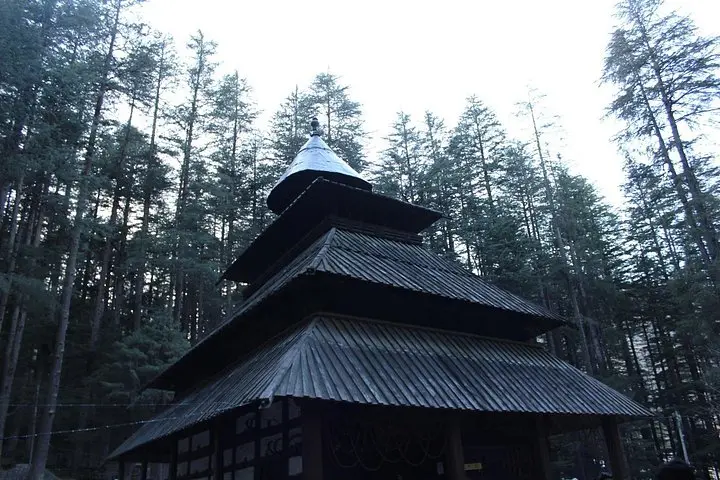
The route follows ancient trade lanes that once connected the Kullu Valley with Lahaul and Spiti; geology here is a seam of fractured granite and thin soils, carved by glacial action into steep valleys and moraine-strewn slopes. Cultural layers are visible at Manikaran’s Sikh and Hindu shrines, Hidimba Devi’s timber shrine, and in the Tibetan gompas that reflect Manali’s place on Himalayan pilgrimage and caravan routes.
Expect accessible sightseeing punctuated by brief walks: cedar-shaded approaches to temples, a short thermal bath stop at Vashisht, and the high, exposed vantage at Rohtang Pass (3,980 m) where the landscape switches from verdant Kullu to the stark, raked valleys beyond. Weather shifts quickly—sun can be harsh one hour and sleet the next—so timing and clothing matter more than carrying extra luxuries.
Practically, this is a road-based tour with local guides and private transport; accommodation is in town hotels. Plan for narrow, sometimes slow mountain driving, check Rohtang access and permits in advance, and allow time for light acclimatization above 2,000–3,000 m. Hydrate, layer, and use sturdy footwear for short uneven approaches. The trip blends culture, high-country panoramas, and easy day walks—an efficient introduction to the central Himalaya.
Yes—access to Rohtang is regulated by local authorities; permits and road openings change seasonally and by day, so confirm with your operator before departure.
The tour is road-based with short walks and is suitable for most ages, but mountainous roads and altitude at Rohtang can be uncomfortable for some—consult a physician for medical concerns.
Late spring to early autumn (May–October) offers the most reliable road access; winter brings heavy snow and closures, while monsoon increases landslide risk.
Most activities are at moderate altitudes, but Rohtang reaches nearly 4,000 m—mild symptoms are possible; hydrate, ascent gradually, and avoid alcohol before the pass visit.
Agora Voyages Pvt. Ltd. operates guided outdoor trips and adventures with an emphasis on safety, stewardship, and memorable experiences.
Morning light breaks over the Beas River and the road climbs into a Himalayan corridor where cedars lean in as if to listen. On this four-day private circuit, travelers move between Kullu’s green valley floors and Manali’s high ridgelines, stepping from hot springs and stone temples into open meadows and wind-scoured passes.
Morning light breaks over the Beas River and the road climbs into a Himalayan corridor where cedars lean in as if to listen. On this four-day private circuit, travelers move between Kullu’s green valley floors and Manali’s high ridgelines, stepping from hot springs and stone temples into open meadows and wind-scoured passes.
The route follows ancient trade lanes that once connected the Kullu Valley with Lahaul and Spiti; geology here is a seam of fractured granite and thin soils, carved by glacial action into steep valleys and moraine-strewn slopes. Cultural layers are visible at Manikaran’s Sikh and Hindu shrines, Hidimba Devi’s timber shrine, and in the Tibetan gompas that reflect Manali’s place on Himalayan pilgrimage and caravan routes.
Expect accessible sightseeing punctuated by brief walks: cedar-shaded approaches to temples, a short thermal bath stop at Vashisht, and the high, exposed vantage at Rohtang Pass (3,980 m) where the landscape switches from verdant Kullu to the stark, raked valleys beyond. Weather shifts quickly—sun can be harsh one hour and sleet the next—so timing and clothing matter more than carrying extra luxuries.
Practically, this is a road-based tour with local guides and private transport; accommodation is in town hotels. Plan for narrow, sometimes slow mountain driving, check Rohtang access and permits in advance, and allow time for light acclimatization above 2,000–3,000 m. Hydrate, layer, and use sturdy footwear for short uneven approaches. The trip blends culture, high-country panoramas, and easy day walks—an efficient introduction to the central Himalaya.