THE ADVENTURE COLLECTIVE® · Independent discovery and booking for outdoor travel

A private, luxury sweep through the Golden Triangle that pairs sunrise at the Taj Mahal with the palaces of Jaipur and the monuments of Delhi. This four-day itinerary balances curated history with comfortable travel and flexible timing.
A private, luxury sweep through the Golden Triangle that pairs sunrise at the Taj Mahal with the palaces of Jaipur and the monuments of Delhi. This four-day itinerary balances curated history with comfortable travel and flexible timing.
The engine hums as the cityscape of New Delhi slides away and the landscape opens into lanes of mustard fields and ochre forts—this is the Golden Triangle, a compact sweep of Mughal tombs, Rajput palaces and living bazaars. On morning one a guided walk around Qutb Minar and India Gate introduces the theatre of India’s capital: sandstone pillars, sweeping plazas, bureaucracy framed in colonial facades.
Verified experiences and guided adventures in the surrounding area.
Operated by Deejohn Holidays India Tours · New Delhi, Delhi
The engine hums as the cityscape of New Delhi slides away and the landscape opens into lanes of mustard fields and ochre forts—this is the Golden Triangle, a compact sweep of Mughal tombs, Rajput palaces and living bazaars. On morning one a guided walk around Qutb Minar and India Gate introduces the theatre of India’s capital: sandstone pillars, sweeping plazas, bureaucracy framed in colonial facades.
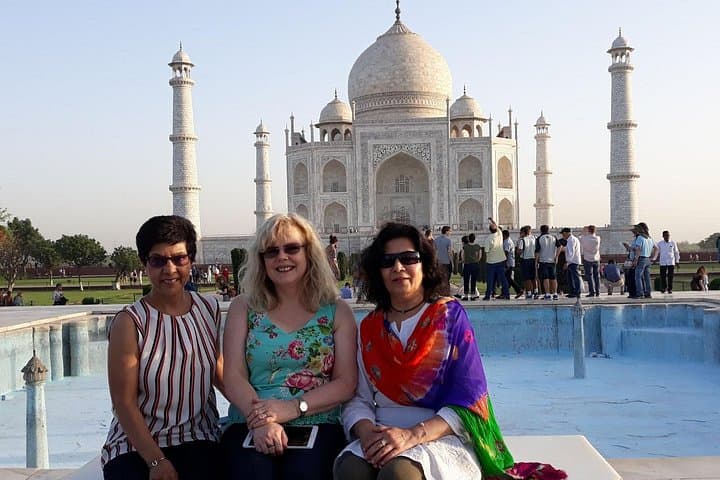
By day two sunlight turns the Taj Mahal from alabaster blush to radiant white. Built by Shah Jahan in the 17th century as a tomb for his wife, the mausoleum sits on the Yamuna’s banks, its symmetry and pietra dura inlay revealing Mughal engineering and craft. Between Agra and Jaipur the red sandstone ruins of Fatehpur Sikri show the empire’s shift and the pragmatism of court life: palaces, courtyards and water channels that solved local drainage and cooling needs.
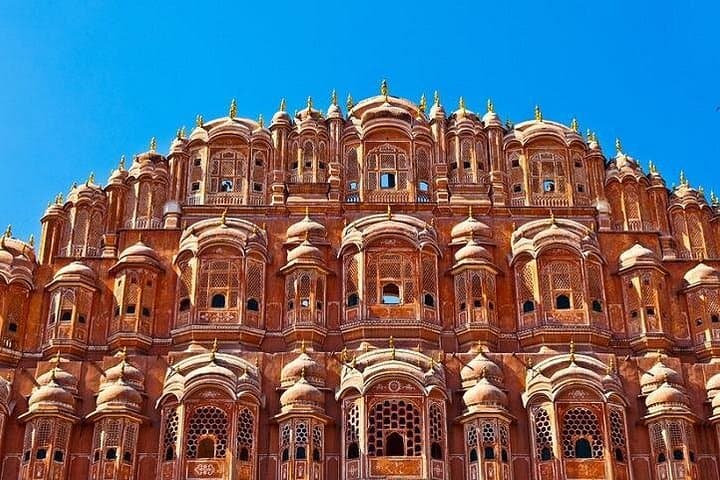
Jaipur’s Amber Fort and the city palace reveal Rajput pageantry—fortified roofs, stepped water gardens and Jantar Mantar’s astronomical instruments. Local guides layer cultural notes: caste and court rituals, and how trade routes shaped tastes in textiles and jewelry.
Practical guide: pack breathable clothing that covers shoulders and knees for temple and palace respect; expect several short walks on uneven stone and cobbled lanes; travel times between cities run 3–5 hours depending on traffic. Hydrate in the sun, carry a lightweight daypack and plan early starts for cooler light at major monuments. Private transport makes timing flexible—use it to catch sunrise light at the Taj or avoid afternoon crowds at Amber Fort.
Visits are included in the itinerary; entrance fees are typically arranged by guides but confirm details with the operator at booking.
Expect roughly 3 hours from Delhi to Agra, 4–5 hours from Agra to Jaipur, and about 5 hours returning to Delhi depending on traffic.
Yes—three nights in 5-star hotels and daily breakfasts are included as part of the tour package.
The tour is labeled easy and generally suitable for most ages, but long drives and walking on uneven surfaces may be tiring for some; inform the operator of mobility needs.
Deejohn Holidays India Tours operates guided outdoor trips and adventures with an emphasis on safety, stewardship, and memorable experiences.
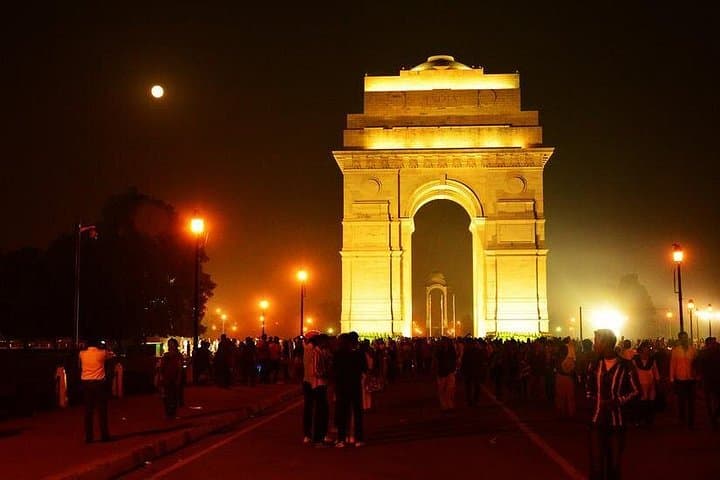

The engine hums as the cityscape of New Delhi slides away and the landscape opens into lanes of mustard fields and ochre forts—this is the Golden Triangle, a compact sweep of Mughal tombs, Rajput palaces and living bazaars. On morning one a guided walk around Qutb Minar and India Gate introduces the theatre of India’s capital: sandstone pillars, sweeping plazas, bureaucracy framed in colonial facades.
The engine hums as the cityscape of New Delhi slides away and the landscape opens into lanes of mustard fields and ochre forts—this is the Golden Triangle, a compact sweep of Mughal tombs, Rajput palaces and living bazaars. On morning one a guided walk around Qutb Minar and India Gate introduces the theatre of India’s capital: sandstone pillars, sweeping plazas, bureaucracy framed in colonial facades.
By day two sunlight turns the Taj Mahal from alabaster blush to radiant white. Built by Shah Jahan in the 17th century as a tomb for his wife, the mausoleum sits on the Yamuna’s banks, its symmetry and pietra dura inlay revealing Mughal engineering and craft. Between Agra and Jaipur the red sandstone ruins of Fatehpur Sikri show the empire’s shift and the pragmatism of court life: palaces, courtyards and water channels that solved local drainage and cooling needs.
Jaipur’s Amber Fort and the city palace reveal Rajput pageantry—fortified roofs, stepped water gardens and Jantar Mantar’s astronomical instruments. Local guides layer cultural notes: caste and court rituals, and how trade routes shaped tastes in textiles and jewelry.
Practical guide: pack breathable clothing that covers shoulders and knees for temple and palace respect; expect several short walks on uneven stone and cobbled lanes; travel times between cities run 3–5 hours depending on traffic. Hydrate in the sun, carry a lightweight daypack and plan early starts for cooler light at major monuments. Private transport makes timing flexible—use it to catch sunrise light at the Taj or avoid afternoon crowds at Amber Fort.