THE ADVENTURE COLLECTIVE® · Independent discovery and booking for outdoor travel

A private four-day safari linking Lake Nakuru’s flamingo-streaked shores with the wide-open plains of the Masai Mara. Expect early game drives, lodge comfort, and high chances of seeing Africa’s iconic wildlife.
A private four-day safari linking Lake Nakuru’s flamingo-streaked shores with the wide-open plains of the Masai Mara. Expect early game drives, lodge comfort, and high chances of seeing Africa’s iconic wildlife.
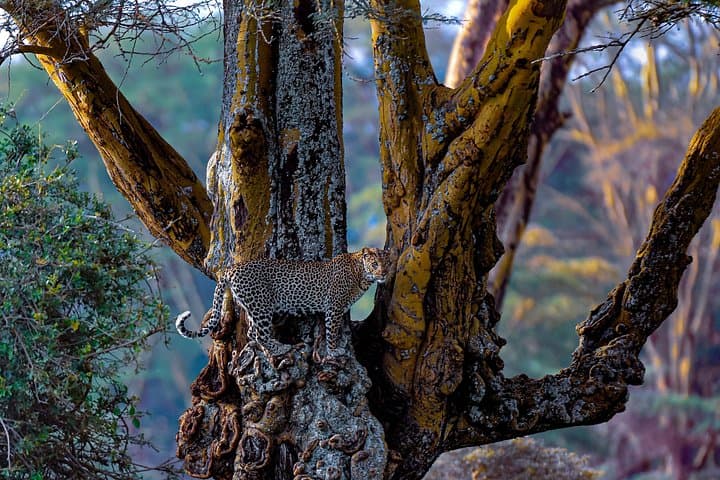
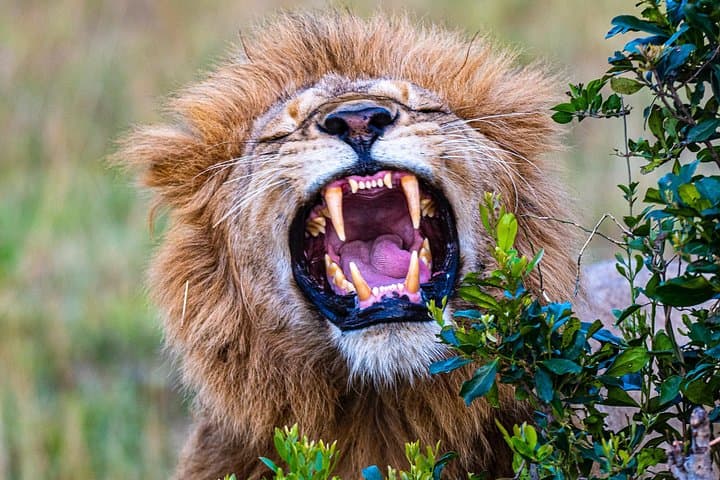
Dusty tracks, an early light that paints the grass gold, and the distant shimmer of a broad lake: that’s the opening scene on a private four-day circuit from Nairobi to Lake Nakuru and the Masai Mara. Vehicles thread between acacia and grassland; flamingos stain Nakuru’s shorelines pink while Mara plains spread wide, a living stage for big cats and roaming herds.
Verified experiences and guided adventures in the surrounding area.
Operated by African Hats Safaris · Narok, Narok County
Dusty tracks, an early light that paints the grass gold, and the distant shimmer of a broad lake: that’s the opening scene on a private four-day circuit from Nairobi to Lake Nakuru and the Masai Mara. Vehicles thread between acacia and grassland; flamingos stain Nakuru’s shorelines pink while Mara plains spread wide, a living stage for big cats and roaming herds.
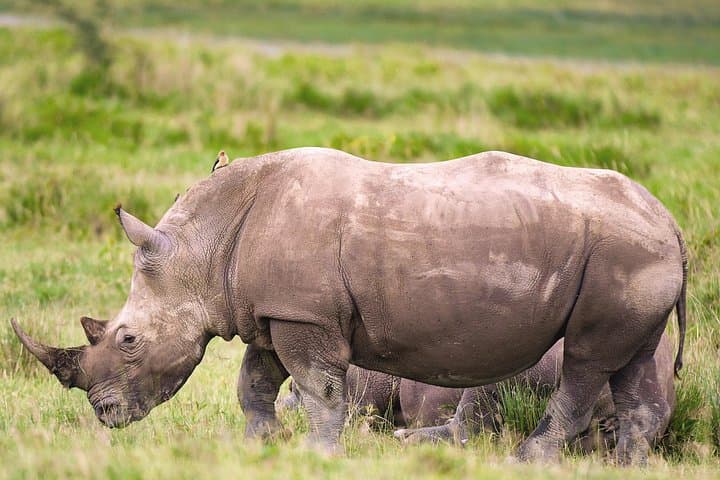
Geology and history meet here—these parks sit on the eastern rim of the Rift Valley where volcanic activity shaped soda lakes like Nakuru, and centuries of Maasai stewardship have shaped human relationships with the land. Nakuru became a conservation focal point for black rhino and Rothschild giraffe recovery; the Mara’s open savannahs and riverine woodlands support the seasonal spectacle of the great migration and a dense predator population.
Culturally, a Maasai village visit adds context: stick-and-thatch homesteads, beadwork, and pastoral practices that continue alongside tourism. Expect lodge-based comfort—private transfers, guided game drives at dawn and dusk, and meals at Sarova properties or similar camps.
Practical guidance: plan for very early departures and long but smooth vehicle days. Pack layered clothing for chilly mornings, sun protection for midday, and a field-ready camera with telephoto or binoculars. Malaria prophylaxis and routine vaccinations are recommended; carry Kenyan shillings for local tips. Respect viewing distance rules—vehicles can alter wildlife behavior. Best months for clear viewing align with the dry season (June–October), but Nakuru’s flamingo displays and resident wildlife make year-round visits rewarding. With modest fitness and patience for long drives, this itinerary delivers high-probability wildlife encounters framed by distinct Rift Valley landscapes.
Routine vaccinations are recommended and malaria prophylaxis is advised—consult your travel health provider well before departure.
Yes; private transfers and game drives are typically provided in a private safari vehicle with an English-speaking guide/driver for the group.
Yes—visits are commonly offered as an optional cultural experience; arrange timing through your operator and expect to pay a small entrance or donation fee.
Migration timing varies annually, but the Mara typically sees the river crossings and large concentrations from July through October during the dry season.
African Hats Safaris operates guided outdoor trips and adventures with an emphasis on safety, stewardship, and memorable experiences.

Dusty tracks, an early light that paints the grass gold, and the distant shimmer of a broad lake: that’s the opening scene on a private four-day circuit from Nairobi to Lake Nakuru and the Masai Mara. Vehicles thread between acacia and grassland; flamingos stain Nakuru’s shorelines pink while Mara plains spread wide, a living stage for big cats and roaming herds.
Dusty tracks, an early light that paints the grass gold, and the distant shimmer of a broad lake: that’s the opening scene on a private four-day circuit from Nairobi to Lake Nakuru and the Masai Mara. Vehicles thread between acacia and grassland; flamingos stain Nakuru’s shorelines pink while Mara plains spread wide, a living stage for big cats and roaming herds.
Geology and history meet here—these parks sit on the eastern rim of the Rift Valley where volcanic activity shaped soda lakes like Nakuru, and centuries of Maasai stewardship have shaped human relationships with the land. Nakuru became a conservation focal point for black rhino and Rothschild giraffe recovery; the Mara’s open savannahs and riverine woodlands support the seasonal spectacle of the great migration and a dense predator population.
Culturally, a Maasai village visit adds context: stick-and-thatch homesteads, beadwork, and pastoral practices that continue alongside tourism. Expect lodge-based comfort—private transfers, guided game drives at dawn and dusk, and meals at Sarova properties or similar camps.
Practical guidance: plan for very early departures and long but smooth vehicle days. Pack layered clothing for chilly mornings, sun protection for midday, and a field-ready camera with telephoto or binoculars. Malaria prophylaxis and routine vaccinations are recommended; carry Kenyan shillings for local tips. Respect viewing distance rules—vehicles can alter wildlife behavior. Best months for clear viewing align with the dry season (June–October), but Nakuru’s flamingo displays and resident wildlife make year-round visits rewarding. With modest fitness and patience for long drives, this itinerary delivers high-probability wildlife encounters framed by distinct Rift Valley landscapes.