THE ADVENTURE COLLECTIVE® · Independent discovery and booking for outdoor travel

Spend four days tracing Inca engineering, salt pans, and living Quechua culture before a private sunrise tour of Machu Picchu. This guided itinerary balances acclimatization and access to maximize comfort and views.
Spend four days tracing Inca engineering, salt pans, and living Quechua culture before a private sunrise tour of Machu Picchu. This guided itinerary balances acclimatization and access to maximize comfort and views.
You step off the late-afternoon train into Aguas Calientes and the air tastes of river and wet stone. Mist clings to the steep roofs; lights wink from guesthouses while porters wheel luggage. By 4:30 a.m. the town is hushed: headlamps, thermoses, and the steady hum of buses climbing the hairpin road toward Machu Picchu.
Verified experiences and guided adventures in the surrounding area.
Operated by Valentins Pachamama Journeys · Aguas Calientes, Cusco
You step off the late-afternoon train into Aguas Calientes and the air tastes of river and wet stone. Mist clings to the steep roofs; lights wink from guesthouses while porters wheel luggage. By 4:30 a.m. the town is hushed: headlamps, thermoses, and the steady hum of buses climbing the hairpin road toward Machu Picchu.
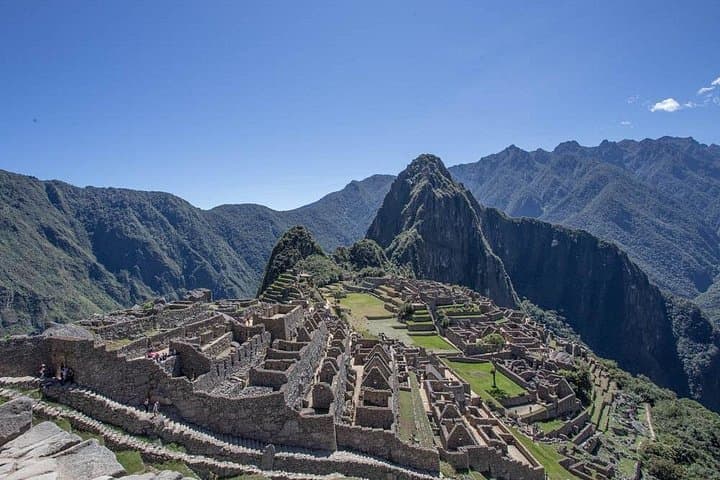
This tour threads the Sacred Valley’s living history — Inca agricultural experiments at Moray, the pre-Inca salt terraces of Maras, and the fortress-ruins of Ollantaytambo — before the sunrise reveal the stone city itself. Geologically, you’re on an andesitic ridge carved by the Urubamba River; cloud forest hosts bromeliads and orchids that cling to the cliffs.
Culture here is tactile: Quechua weavers in Chinchero dye wool with traditional cochineal and natural pigments, while Pisac’s market pulsates with barter and handcrafted goods. Guides explain Inca water channels, terraces, and Pachacutec’s strategic road network that linked Cusco to the highlands.
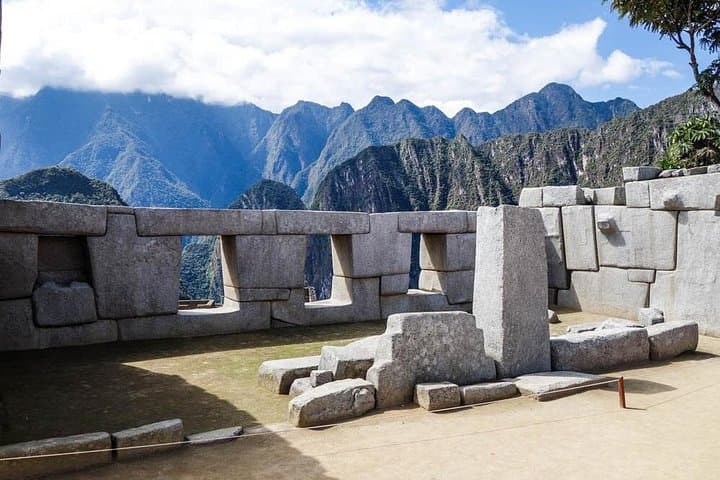
Practical side: expect early mornings, narrow stone steps, and moderate walking across uneven terraces. Altitude matters — the itinerary intentionally places an overnight in the lower Sacred Valley to ease acclimatization. Bring layered clothing for chilly pre-dawn conditions, a rain shell for sudden downpours, and comfortable shoes with grip. Train rules limit daypack size; passports and printed or mobile tickets are mandatory. If you plan the Sun Gate hike, add 60–90 minutes and stronger footwear. Respect marked pathways and your guide’s instructions to protect fragile stonework.
With planning and measured pace, the sunrise over Machu Picchu becomes less a spectacle and more an earned moment: the mountain seems to exhale, and the ruins welcome you back into history.
Yes. Your passport must match booking details and is required for train and Machu Picchu entry.
Yes—Cusco is high (3,400 m). The itinerary includes a lower Sacred Valley overnight to ease acclimatization, but drink water, avoid alcohol, and rest if you feel symptoms.
The guided tour can include the Sun Gate (Inti Punku) as a moderate add-on hike; Huayna Picchu requires a separate timed ticket and advance booking.
Peru Rail allows only a small daypack on board; larger bags must be transported separately with the private transfer or left at your Cusco hotel.
Valentins Pachamama Journeys operates guided outdoor trips and adventures with an emphasis on safety, stewardship, and memorable experiences.
You step off the late-afternoon train into Aguas Calientes and the air tastes of river and wet stone. Mist clings to the steep roofs; lights wink from guesthouses while porters wheel luggage. By 4:30 a.m. the town is hushed: headlamps, thermoses, and the steady hum of buses climbing the hairpin road toward Machu Picchu.
You step off the late-afternoon train into Aguas Calientes and the air tastes of river and wet stone. Mist clings to the steep roofs; lights wink from guesthouses while porters wheel luggage. By 4:30 a.m. the town is hushed: headlamps, thermoses, and the steady hum of buses climbing the hairpin road toward Machu Picchu.
This tour threads the Sacred Valley’s living history — Inca agricultural experiments at Moray, the pre-Inca salt terraces of Maras, and the fortress-ruins of Ollantaytambo — before the sunrise reveal the stone city itself. Geologically, you’re on an andesitic ridge carved by the Urubamba River; cloud forest hosts bromeliads and orchids that cling to the cliffs.
Culture here is tactile: Quechua weavers in Chinchero dye wool with traditional cochineal and natural pigments, while Pisac’s market pulsates with barter and handcrafted goods. Guides explain Inca water channels, terraces, and Pachacutec’s strategic road network that linked Cusco to the highlands.
Practical side: expect early mornings, narrow stone steps, and moderate walking across uneven terraces. Altitude matters — the itinerary intentionally places an overnight in the lower Sacred Valley to ease acclimatization. Bring layered clothing for chilly pre-dawn conditions, a rain shell for sudden downpours, and comfortable shoes with grip. Train rules limit daypack size; passports and printed or mobile tickets are mandatory. If you plan the Sun Gate hike, add 60–90 minutes and stronger footwear. Respect marked pathways and your guide’s instructions to protect fragile stonework.
With planning and measured pace, the sunrise over Machu Picchu becomes less a spectacle and more an earned moment: the mountain seems to exhale, and the ruins welcome you back into history.