
4-Day Private Marrakech to Merzouga Desert Tour: High Atlas Passes, Kasbahs & Erg Chebbi
Cross the High Atlas, explore UNESCO-listed kasbahs, and ride camels into the orange sweep of Erg Chebbi on a compact 4-day private loop from Marrakech. Expect long scenic drives, limestone gorges, and a star-filled desert camp.
An Adventure In Marrakech.
Cross the High Atlas, explore UNESCO-listed kasbahs, and ride camels into the orange sweep of Erg Chebbi on a compact 4-day private loop from Marrakech. Expect long scenic drives, limestone gorges, and a star-filled desert camp.
Read the full experience
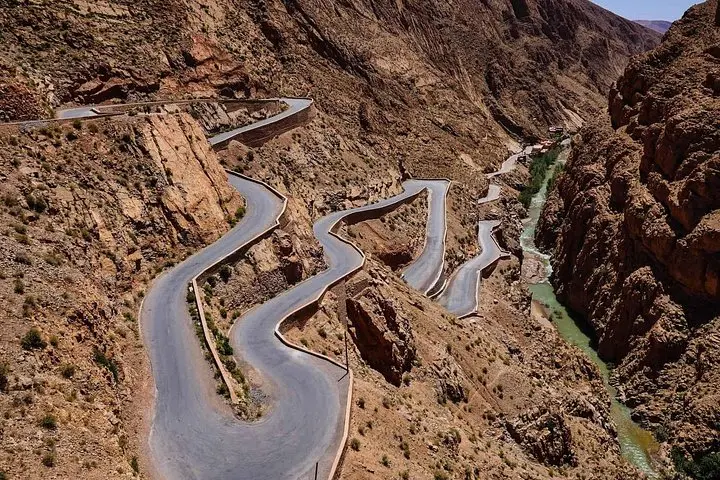
You crest the Tizi n’Tichka at dawn, the High Atlas pushing cold air against the windshield while villages unfurl on the valley slopes below. The road carves through switchbacks, and the first day is a moving portrait—rocky passes, ochre kasbahs, and windows of palm oasis leading toward the red dunes far to the southeast.
You crest the Tizi n’Tichka at dawn, the High Atlas pushing cold air against the windshield while villages unfurl on the valley slopes below. The road carves through switchbacks, and the first day is a moving portrait—rocky passes, ochre kasbahs, and windows of palm oasis leading toward the red dunes far to the southeast.
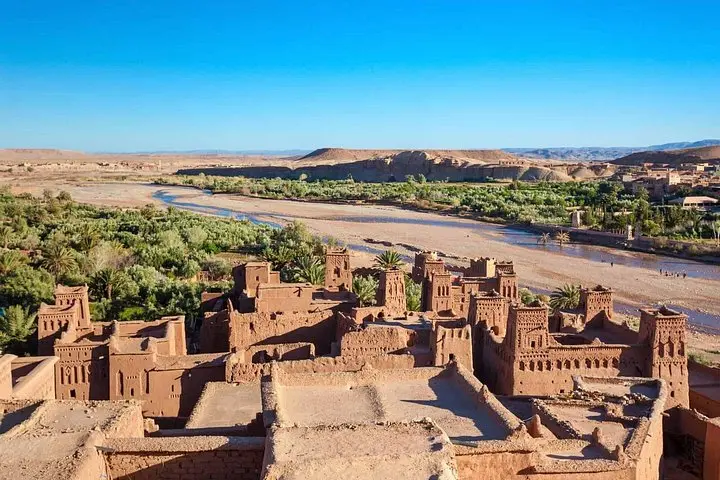
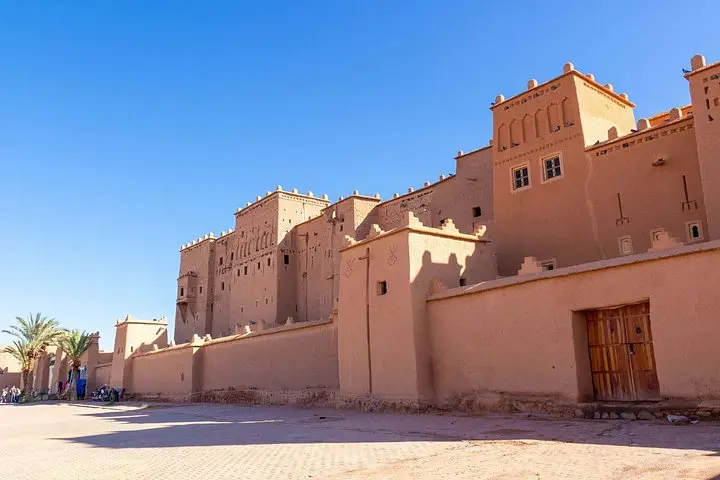
This route threads history and geology: Ait Ben Haddou, a UNESCO ksar built of mud-brick, stands on ancient caravan lines that once linked Saharan trade with Marrakech. Ouarzazate’s Taourirt Kasbah marks the border between agricultural valleys and arid plateaus; the Dades and Todgha gorges expose limestone cliffs sculpted over millennia. In Merzouga, the Erg Chebbi sand sea—dunes that can reach around 150 meters—shifts with every wind and asks travelers to slow down and listen.
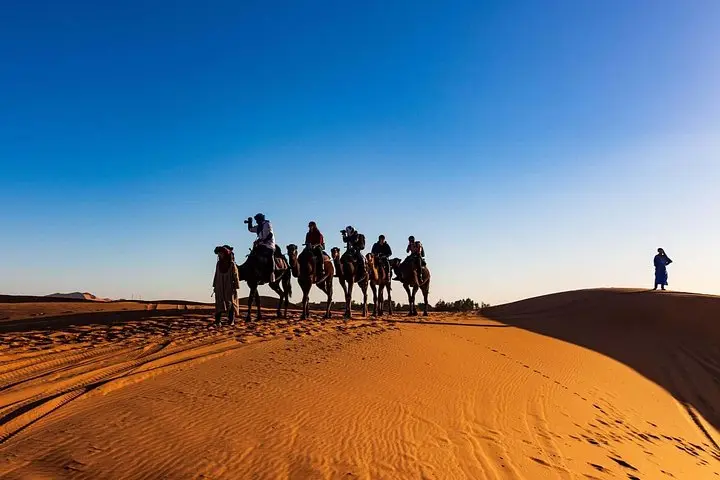
Local culture is hands-on: Berber villages, date markets in Rissani, and rose fields in the Dades Valley where seasonal festivals pulse in spring. The camel trek to a desert camp is the low-tech highlight—about 60–90 minutes across soft sand to a camp with beds, toilets and shared dining, followed by a clear, cold night under an immense sky.
Practical guide: expect several long driving stretches (multiple days with 4–6 hour legs), a mix of paved and rural roads, and big diurnal temperature swings. Bring layered clothing for pre-dawn and night chill, sun protection for daytime crossings, and cash for markets. If you want photos, time your dune walk for sunrise or sunset; the camel trek and camp are designed for accessibility, but stable footing on sand is required. Plan logistics around pickup in Marrakech and confirm luggage storage during the desert portion.
Frequently asked questions
The camel trek to the camp is typically about 60–90 minutes each way, paced for comfort and photo stops.
Yes; the tour includes hotel nights and one night in a desert camp with basic facilities and dinner.
Yes—this private tour is family-friendly and physically easy in general, but mounting camels and walking on sand require basic mobility.
Expect several long driving legs—multiple days include 4–6 hour stretches on paved and rural roads, with scenic stops en route.
About This Experience
Mama Desert Tours operates guided outdoor trips and adventures with an emphasis on safety, stewardship, and memorable experiences.
Adventure tips
Recommended gear
- Layered jacket: Warm layers for pre-dawn desert temperatures and the High Atlas pass.
- Sun protection (hat, sunglasses, sunscreen): Long sun exposure on dunes and high passes makes sun protection necessary.
- Sturdy closed-toe shoes: Good for walking in gorges, villages, and on compact or shifting sand.
- Reusable water bottle with filter: Helpful for staying hydrated in arid stretches where bottled water may be limited.
Photos of the experience
Related adventures & guides
Read the full experience
You crest the Tizi n’Tichka at dawn, the High Atlas pushing cold air against the windshield while villages unfurl on the valley slopes below. The road carves through switchbacks, and the first day is a moving portrait—rocky passes, ochre kasbahs, and windows of palm oasis leading toward the red dunes far to the southeast.
You crest the Tizi n’Tichka at dawn, the High Atlas pushing cold air against the windshield while villages unfurl on the valley slopes below. The road carves through switchbacks, and the first day is a moving portrait—rocky passes, ochre kasbahs, and windows of palm oasis leading toward the red dunes far to the southeast.
This route threads history and geology: Ait Ben Haddou, a UNESCO ksar built of mud-brick, stands on ancient caravan lines that once linked Saharan trade with Marrakech. Ouarzazate’s Taourirt Kasbah marks the border between agricultural valleys and arid plateaus; the Dades and Todgha gorges expose limestone cliffs sculpted over millennia. In Merzouga, the Erg Chebbi sand sea—dunes that can reach around 150 meters—shifts with every wind and asks travelers to slow down and listen.
Local culture is hands-on: Berber villages, date markets in Rissani, and rose fields in the Dades Valley where seasonal festivals pulse in spring. The camel trek to a desert camp is the low-tech highlight—about 60–90 minutes across soft sand to a camp with beds, toilets and shared dining, followed by a clear, cold night under an immense sky.
Practical guide: expect several long driving stretches (multiple days with 4–6 hour legs), a mix of paved and rural roads, and big diurnal temperature swings. Bring layered clothing for pre-dawn and night chill, sun protection for daytime crossings, and cash for markets. If you want photos, time your dune walk for sunrise or sunset; the camel trek and camp are designed for accessibility, but stable footing on sand is required. Plan logistics around pickup in Marrakech and confirm luggage storage during the desert portion.
Make a day of it nearby.
Verified experiences and guided adventures in the surrounding area.