THE ADVENTURE COLLECTIVE® · Independent discovery and booking for outdoor travel

Sail the Nile on a private three‑night cruise between Aswan and Luxor, visiting Abu Simbel, Kom Ombo, Edfu and Luxor’s temple complex with an Egyptologist guide. Expect early starts, ancient stone underfoot and comfortable cabins between shore excursions.
Sail the Nile on a private three‑night cruise between Aswan and Luxor, visiting Abu Simbel, Kom Ombo, Edfu and Luxor’s temple complex with an Egyptologist guide. Expect early starts, ancient stone underfoot and comfortable cabins between shore excursions.
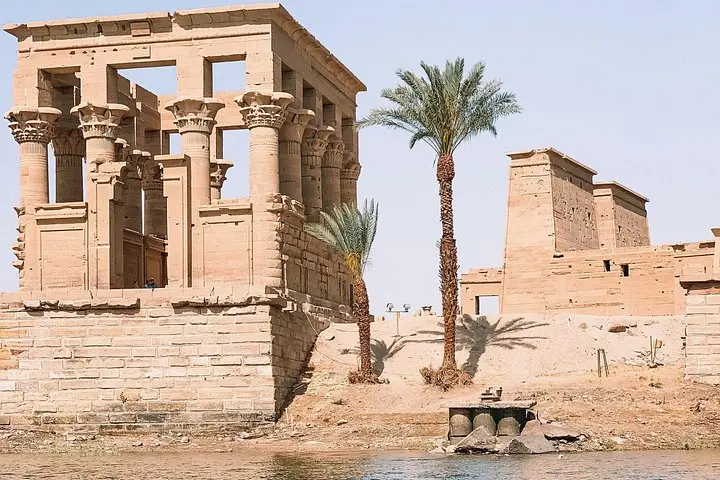
The Nile stretches like a slow-moving frontier as your five-star cruise slips away from Aswan, palms and granite quarries receding into the heat-hazed distance. On deck, the river breathes—its current nudging the boat forward—while the silhouette of Philae and the Aswan High Dam mark the transition from living Nile to engineered reservoir.
Verified experiences and guided adventures in the surrounding area.
Operated by Book Your Tours · Aswan, Aswan Governorate
The Nile stretches like a slow-moving frontier as your five-star cruise slips away from Aswan, palms and granite quarries receding into the heat-hazed distance. On deck, the river breathes—its current nudging the boat forward—while the silhouette of Philae and the Aswan High Dam mark the transition from living Nile to engineered reservoir.
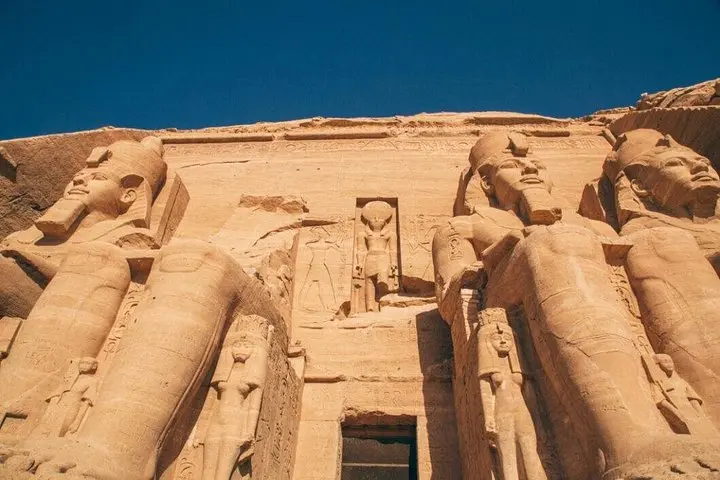
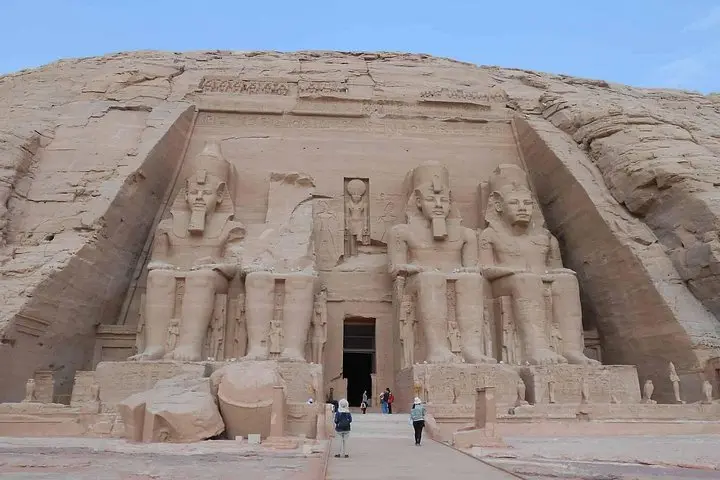
This private, three-night cruise links two great Egyptian corridors of power: Upper Egypt’s temples and the royal necropolises of Thebes. Abu Simbel, 290 km downstream from Aswan, reads like carved history—Ramses II’s colossi relocated brick by brick in the 1960s to save them from Lake Nasser. Kom Ombo’s twin shrines celebrate Sobek and Horus; Edfu remains one of Egypt’s most intact Ptolemaic sanctuaries. In Luxor, Karnak’s avenue of ram-headed sphinxes and the Valley of the Kings’ painted tombs close a chapter that began millennia ago.
Geology and engineering intersect here: the Aswan High Dam (111 m high, 3,600 m long) reshaped the river and the communities that live beside it, while the desert’s sandstone and Nile silt chronicle ancient quarrying and floodplain agriculture.
Practically: expect guided shore excursions each day with an Egyptologist, short walks over uneven temple stone, and comfortable cabin nights on board with meals included. Start early to avoid the heat, carry a refillable water bottle, and wear closed-toe shoes for temple staircases and rocky paths. Respect restricted areas, follow your guide’s timing for photography and prayer-room etiquette, and plan for light currency or card for local tips and market purchases.
Entrance fees to main sites and a qualified Egyptologist guide are included in this private tour, as listed in the itinerary; bring cash for optional tomb tickets and gratuities.
Abu Simbel is roughly a 3–4 hour drive (about 290 km) from Aswan; most operators include a morning transfer or optional flight depending on the itinerary.
The operator lists wheelchair‑accessible transport and areas, but some temple sites have stairs and uneven terrain—confirm specific accessibility needs before booking.
Tipping is customary; plan a daily amount for your Egyptologist and a pooled tip for crew on the final day—local staff can advise appropriate sums.
Book Your Tours operates guided outdoor trips and adventures with an emphasis on safety, stewardship, and memorable experiences.

The Nile stretches like a slow-moving frontier as your five-star cruise slips away from Aswan, palms and granite quarries receding into the heat-hazed distance. On deck, the river breathes—its current nudging the boat forward—while the silhouette of Philae and the Aswan High Dam mark the transition from living Nile to engineered reservoir.
The Nile stretches like a slow-moving frontier as your five-star cruise slips away from Aswan, palms and granite quarries receding into the heat-hazed distance. On deck, the river breathes—its current nudging the boat forward—while the silhouette of Philae and the Aswan High Dam mark the transition from living Nile to engineered reservoir.
This private, three-night cruise links two great Egyptian corridors of power: Upper Egypt’s temples and the royal necropolises of Thebes. Abu Simbel, 290 km downstream from Aswan, reads like carved history—Ramses II’s colossi relocated brick by brick in the 1960s to save them from Lake Nasser. Kom Ombo’s twin shrines celebrate Sobek and Horus; Edfu remains one of Egypt’s most intact Ptolemaic sanctuaries. In Luxor, Karnak’s avenue of ram-headed sphinxes and the Valley of the Kings’ painted tombs close a chapter that began millennia ago.
Geology and engineering intersect here: the Aswan High Dam (111 m high, 3,600 m long) reshaped the river and the communities that live beside it, while the desert’s sandstone and Nile silt chronicle ancient quarrying and floodplain agriculture.
Practically: expect guided shore excursions each day with an Egyptologist, short walks over uneven temple stone, and comfortable cabin nights on board with meals included. Start early to avoid the heat, carry a refillable water bottle, and wear closed-toe shoes for temple staircases and rocky paths. Respect restricted areas, follow your guide’s timing for photography and prayer-room etiquette, and plan for light currency or card for local tips and market purchases.