THE ADVENTURE COLLECTIVE® · Independent discovery and booking for outdoor travel

This 4-day private tour from Bucharest threads the Carpathians and Transylvania, pairing medieval citadels and royal castles with high mountain roads. Expect guided visits, scenic drives and short hikes—ideal for travelers who want culture and landscape without group logistics.
This 4-day private tour from Bucharest threads the Carpathians and Transylvania, pairing medieval citadels and royal castles with high mountain roads. Expect guided visits, scenic drives and short hikes—ideal for travelers who want culture and landscape without group logistics.
You leave Bucharest before dawn, the city lights folding behind you as the road climbs toward the Carpathians. Pine-scented air pushes through open windows; the guide points out a monastery silhouette across a misty plain and the private car hums toward mountain stone and medieval towers.
Verified experiences and guided adventures in the surrounding area.
Operated by Romania Driver and Guide · Bucharest, Bucharest
You leave Bucharest before dawn, the city lights folding behind you as the road climbs toward the Carpathians. Pine-scented air pushes through open windows; the guide points out a monastery silhouette across a misty plain and the private car hums toward mountain stone and medieval towers.
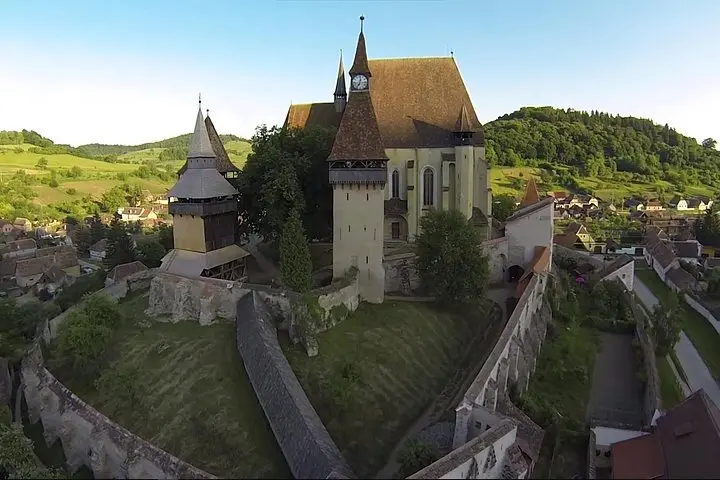
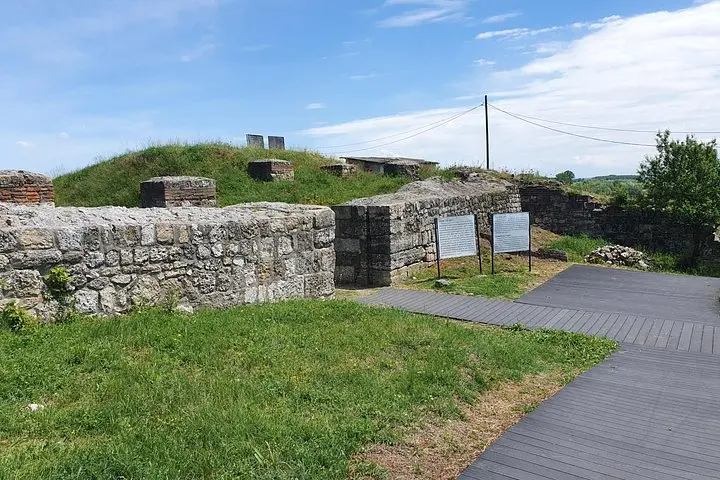
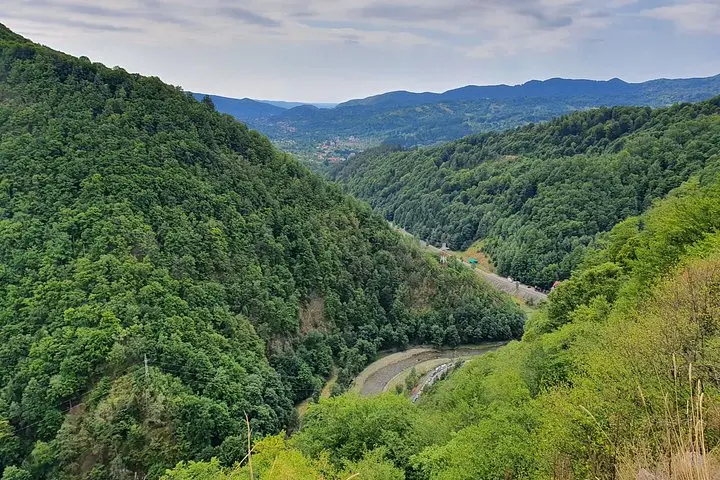
Over four days the route stitches together Transylvania’s defining scenes: the lakeside hush at Snagov Monastery, the carved timber and marble of Peleș, the Baroque spires of Brașov, and the crooked streets of Sighişoara’s citadel. Geology shows itself in basalt cliffs under Rupea Fortress and the serpentine Transfăgărășan high above 2,000 m, while Vidraru Dam demonstrates 20th-century engineering punching through river corridors.
Culturally this is a meeting of influences—Orthodox monasteries, Saxon fortified churches, Ottoman-era tales and the mythos of Vlad Țepeș. Local villages still hold seasonal markets and simple, hearty cuisine flavored with dill, smoked paprika and sour cream.
Practical bits: expect several multi-hour drives and short, steep walks—Poienari requires climbing roughly 1,400 carved stone steps; many towns involve cobbled streets. The Transfăgărășan is only reliably open July–October; in winter the tour reroutes to lower valley springs. Wear sturdy walking shoes, layers for high-altitude temperature swings, and carry a daypack with water and rain protection. Bring local currency for small cafés and modest entrance fees; passports are needed for some ticketed sites. The private guide and car included provide flexibility—plan on early starts to avoid crowds at major castles and aim for daylight on mountain passes for the best photos.
Yes — a private car (tourism vehicle or minibus depending on group size) and driver-guide are provided for all days as described.
Entrance fees for attractions are typically not included; your guide can advise and arrange tickets as needed.
Yes — this private tour advertises flexibility and the guide can adapt the daily schedule subject to opening times and road conditions.
No — the high mountain road is generally open July through October; outside that window the route is replaced with lower-altitude alternatives like Calimanesti springs.
Romania Driver and Guide operates guided outdoor trips and adventures with an emphasis on safety, stewardship, and memorable experiences.
You leave Bucharest before dawn, the city lights folding behind you as the road climbs toward the Carpathians. Pine-scented air pushes through open windows; the guide points out a monastery silhouette across a misty plain and the private car hums toward mountain stone and medieval towers.
You leave Bucharest before dawn, the city lights folding behind you as the road climbs toward the Carpathians. Pine-scented air pushes through open windows; the guide points out a monastery silhouette across a misty plain and the private car hums toward mountain stone and medieval towers.
Over four days the route stitches together Transylvania’s defining scenes: the lakeside hush at Snagov Monastery, the carved timber and marble of Peleș, the Baroque spires of Brașov, and the crooked streets of Sighişoara’s citadel. Geology shows itself in basalt cliffs under Rupea Fortress and the serpentine Transfăgărășan high above 2,000 m, while Vidraru Dam demonstrates 20th-century engineering punching through river corridors.
Culturally this is a meeting of influences—Orthodox monasteries, Saxon fortified churches, Ottoman-era tales and the mythos of Vlad Țepeș. Local villages still hold seasonal markets and simple, hearty cuisine flavored with dill, smoked paprika and sour cream.
Practical bits: expect several multi-hour drives and short, steep walks—Poienari requires climbing roughly 1,400 carved stone steps; many towns involve cobbled streets. The Transfăgărășan is only reliably open July–October; in winter the tour reroutes to lower valley springs. Wear sturdy walking shoes, layers for high-altitude temperature swings, and carry a daypack with water and rain protection. Bring local currency for small cafés and modest entrance fees; passports are needed for some ticketed sites. The private guide and car included provide flexibility—plan on early starts to avoid crowds at major castles and aim for daylight on mountain passes for the best photos.