THE ADVENTURE COLLECTIVE® · Independent discovery and booking for outdoor travel

Drive the High Atlas, walk the walls of Ait Ben Haddou, ride camels over Erg Chebbi and end in Fez on this private four-day circuit. Expect long drives, dramatic geology, intimate cultural stops and a luxury tent night beneath a clear desert sky.
Drive the High Atlas, walk the walls of Ait Ben Haddou, ride camels over Erg Chebbi and end in Fez on this private four-day circuit. Expect long drives, dramatic geology, intimate cultural stops and a luxury tent night beneath a clear desert sky.
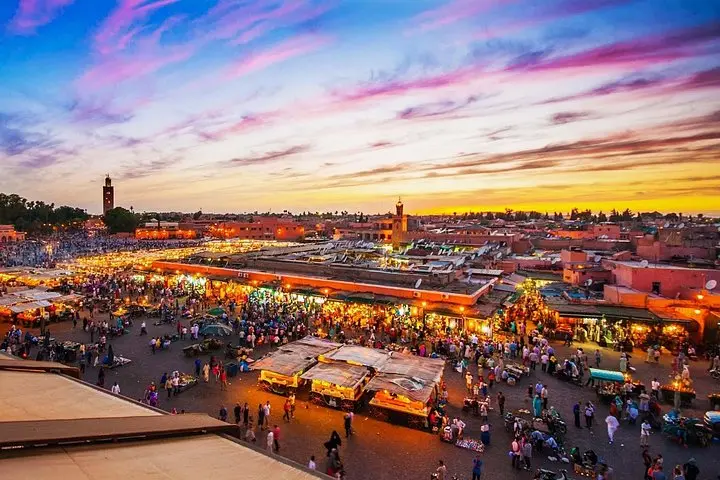
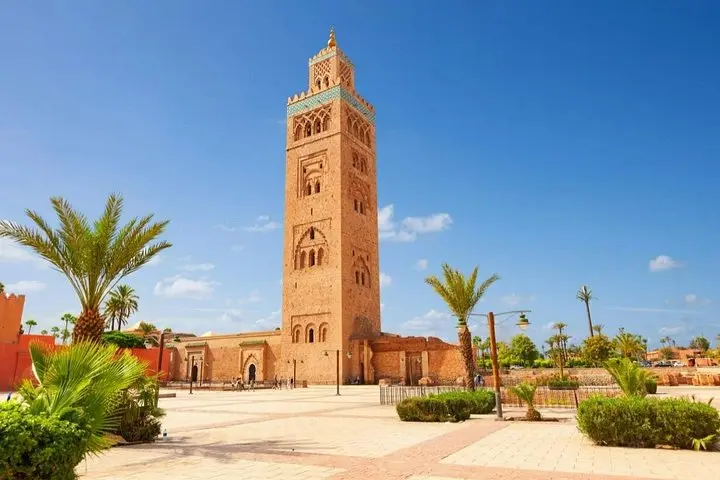
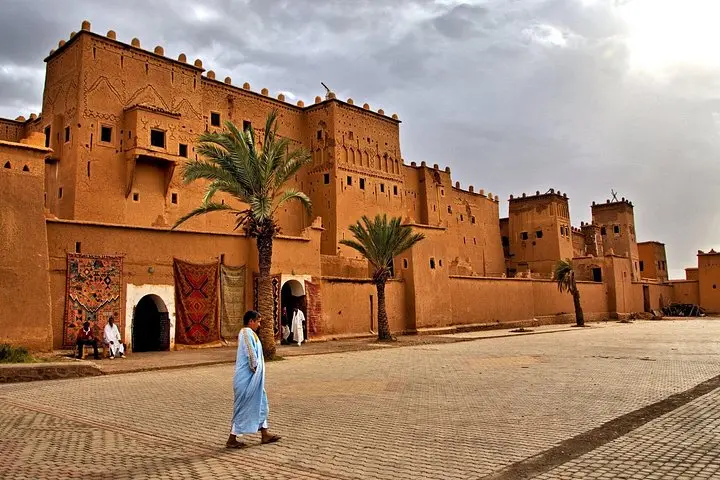
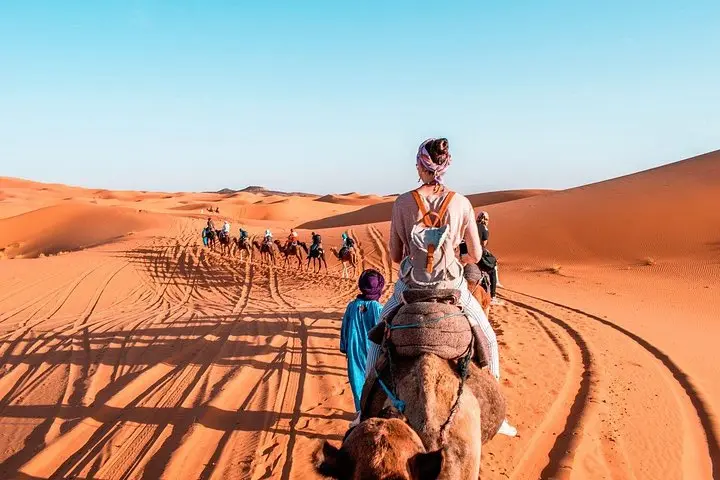
The road leaves Marrakech before dawn: a swirl of ochre medina, concrete, and the slow, huge silhouette of the High Atlas rising like a wall. The vehicle climbs through switchbacks, past terraced Berber villages, and then the landscape opens—red kasbahs and the unmistakable honeycomb of Ait Ben Haddou clinging to a hillside. By late afternoon the road softens into sand and the first fingers of Erg Chebbi dunes appear, shifting with a wind that seems to think for itself.
Verified experiences and guided adventures in the surrounding area.
Operated by Morocco Travels Tour · Marrakech, Marrakech-Safi
The road leaves Marrakech before dawn: a swirl of ochre medina, concrete, and the slow, huge silhouette of the High Atlas rising like a wall. The vehicle climbs through switchbacks, past terraced Berber villages, and then the landscape opens—red kasbahs and the unmistakable honeycomb of Ait Ben Haddou clinging to a hillside. By late afternoon the road softens into sand and the first fingers of Erg Chebbi dunes appear, shifting with a wind that seems to think for itself.
This route stitches together geology and history. The High Atlas is recent in geological terms—uplifted by collision—and its passes have guided caravan traffic for centuries. Ait Ben Haddou is a fortified ksar listed by UNESCO and a frequent film location; Merzouga’s Erg Chebbi is wind-built: loose sand piled into crescent ridges that move seasonally. Cultural notes arrive as music—Gnawa rhythms in Khamlia—and encounters with nomadic families whose lives still orbit water and grazing routes.
Practically, expect long driving days balanced by immersive stops: the Todra Gorges’ vertical limestone walls, fossil markets in Erfoud, camel treks across dunes at sunset, and a night in a luxury tent camp under an unpolluted sky. Bring sun protection, reusable water, and shoes for both rocky gorges and soft sand; reserve morning and evening for lagooned light and cooler temperatures. Communication is straightforward—Arabic and French are common, cash is useful in small towns, and tipping local guides supports families. The tour is private and paced for travelers of varied fitness, offering both cultural context and the elemental thrill of desert travel.
Yes—one camel excursion per person into the Erg Chebbi dunes is included, typically timed for sunset or sunrise.
The tour is rated accessible for most fitness levels; expect walking up to an hour in gorges and dunes plus several multi-hour drives.
Accommodations range from comfortable hotels to a luxury tent camp in Erg Chebbi with private bathroom options, per the itinerary.
Yes—stops in Rissani, Erfoud and local markets allow shopping for fossils, spices, rugs and handicrafts; carry cash for small purchases.
Morocco Travels Tour operates guided outdoor trips and adventures with an emphasis on safety, stewardship, and memorable experiences.
The road leaves Marrakech before dawn: a swirl of ochre medina, concrete, and the slow, huge silhouette of the High Atlas rising like a wall. The vehicle climbs through switchbacks, past terraced Berber villages, and then the landscape opens—red kasbahs and the unmistakable honeycomb of Ait Ben Haddou clinging to a hillside. By late afternoon the road softens into sand and the first fingers of Erg Chebbi dunes appear, shifting with a wind that seems to think for itself.
The road leaves Marrakech before dawn: a swirl of ochre medina, concrete, and the slow, huge silhouette of the High Atlas rising like a wall. The vehicle climbs through switchbacks, past terraced Berber villages, and then the landscape opens—red kasbahs and the unmistakable honeycomb of Ait Ben Haddou clinging to a hillside. By late afternoon the road softens into sand and the first fingers of Erg Chebbi dunes appear, shifting with a wind that seems to think for itself.
This route stitches together geology and history. The High Atlas is recent in geological terms—uplifted by collision—and its passes have guided caravan traffic for centuries. Ait Ben Haddou is a fortified ksar listed by UNESCO and a frequent film location; Merzouga’s Erg Chebbi is wind-built: loose sand piled into crescent ridges that move seasonally. Cultural notes arrive as music—Gnawa rhythms in Khamlia—and encounters with nomadic families whose lives still orbit water and grazing routes.
Practically, expect long driving days balanced by immersive stops: the Todra Gorges’ vertical limestone walls, fossil markets in Erfoud, camel treks across dunes at sunset, and a night in a luxury tent camp under an unpolluted sky. Bring sun protection, reusable water, and shoes for both rocky gorges and soft sand; reserve morning and evening for lagooned light and cooler temperatures. Communication is straightforward—Arabic and French are common, cash is useful in small towns, and tipping local guides supports families. The tour is private and paced for travelers of varied fitness, offering both cultural context and the elemental thrill of desert travel.