THE ADVENTURE COLLECTIVE® · Independent discovery and booking for outdoor travel

A compact private 4‑day route that moves from Istanbul to Cappadocia’s volcanic landscapes, on to the marble streets of Ephesus, finishing at the blinding white travertines of Pamukkale. Expect guided walks, short domestic flights, and varied terrain from cave towns to thermal pools.
A compact private 4‑day route that moves from Istanbul to Cappadocia’s volcanic landscapes, on to the marble streets of Ephesus, finishing at the blinding white travertines of Pamukkale. Expect guided walks, short domestic flights, and varied terrain from cave towns to thermal pools.
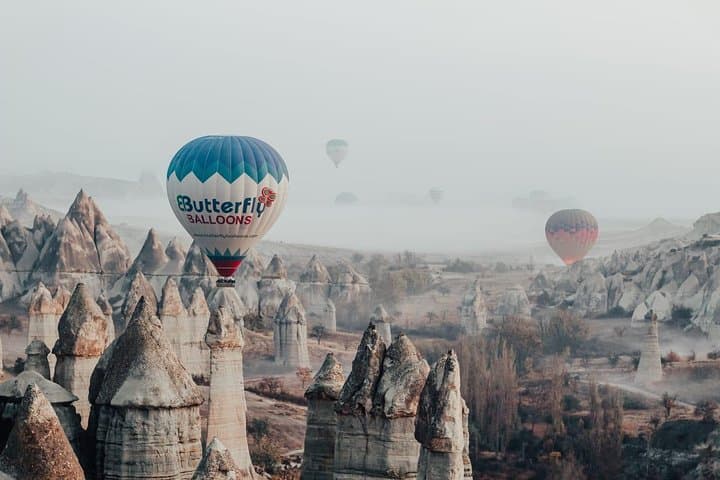
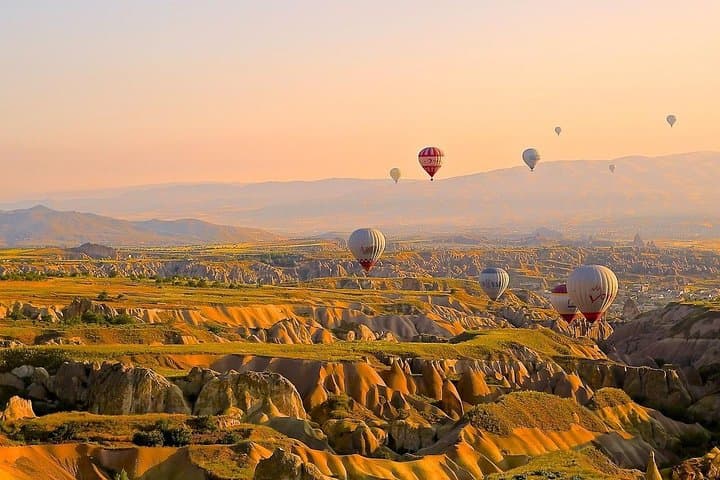
You step out before dawn in Istanbul, the city lights still clinging to the Bosphorus as a private transfer moves you toward an early flight. Within hours the landscape changes: Göreme’s ochre rocks and vertiginous spires rise like weathered sculptures, the land shaped by volcanic ash and centuries of wind. This four-day circuit stitches together three distinct chapters of Turkey—Cappadocia’s fairy chimneys, the marble streets of Roman Ephesus, and Pamukkale’s calcified terraces—each with its own geology and human stories.
Verified experiences and guided adventures in the surrounding area.
Operated by Moira Travel Agency · Göreme, Nevşehir
You step out before dawn in Istanbul, the city lights still clinging to the Bosphorus as a private transfer moves you toward an early flight. Within hours the landscape changes: Göreme’s ochre rocks and vertiginous spires rise like weathered sculptures, the land shaped by volcanic ash and centuries of wind. This four-day circuit stitches together three distinct chapters of Turkey—Cappadocia’s fairy chimneys, the marble streets of Roman Ephesus, and Pamukkale’s calcified terraces—each with its own geology and human stories.
Cappadocia reads like a living atlas of erosion and human adaptation: cave homes, rock-cut churches and underground cities carved into tuff. Ephesus offers an intact sweep of Roman urban life—Library of Celsus, Grand Theatre—while nearby Selçuk adds Ottoman and Byzantine layers. Pamukkale’s travertines form by mineral‑rich spring water depositing calcium carbonate, and the adjacent ruins of Hierapolis sit above a necropolis and thermal pools once valued by Romans.
Practical guidance: expect hotel pickups, short domestic flights, and several moderate walking sessions on uneven stone and narrow stairs. Wear broken-in walking shoes, bring a reusable water bottle and sun protection, and keep some Turkish lira for small purchases. Mornings are the best light for photos and cooler for walking; hot-air-ballooning in Cappadocia is optional but booked separately. The itinerary moves fast—pack light, carry copies of travel documents, and be ready to swap layers as elevation and microclimates change between valleys and thermal plateaus.
Yes—internal flights between Istanbul and Cappadocia and the return from Denizli to Istanbul are included in the itinerary as listed.
The operator lists the tour as suitable for all fitness levels, but many sites have steps, uneven surfaces or require walking—notify the operator of mobility needs ahead of booking.
Balloon rides are optional and usually booked separately; the itinerary allows an early morning slot but confirm availability and transfers in advance.
Carry Turkish lira for small purchases; tipping guides and drivers 5–10% or small euros/TRY for excellent service is customary.
Moira Travel Agency operates guided outdoor trips and adventures with an emphasis on safety, stewardship, and memorable experiences.

You step out before dawn in Istanbul, the city lights still clinging to the Bosphorus as a private transfer moves you toward an early flight. Within hours the landscape changes: Göreme’s ochre rocks and vertiginous spires rise like weathered sculptures, the land shaped by volcanic ash and centuries of wind. This four-day circuit stitches together three distinct chapters of Turkey—Cappadocia’s fairy chimneys, the marble streets of Roman Ephesus, and Pamukkale’s calcified terraces—each with its own geology and human stories.
You step out before dawn in Istanbul, the city lights still clinging to the Bosphorus as a private transfer moves you toward an early flight. Within hours the landscape changes: Göreme’s ochre rocks and vertiginous spires rise like weathered sculptures, the land shaped by volcanic ash and centuries of wind. This four-day circuit stitches together three distinct chapters of Turkey—Cappadocia’s fairy chimneys, the marble streets of Roman Ephesus, and Pamukkale’s calcified terraces—each with its own geology and human stories.
Cappadocia reads like a living atlas of erosion and human adaptation: cave homes, rock-cut churches and underground cities carved into tuff. Ephesus offers an intact sweep of Roman urban life—Library of Celsus, Grand Theatre—while nearby Selçuk adds Ottoman and Byzantine layers. Pamukkale’s travertines form by mineral‑rich spring water depositing calcium carbonate, and the adjacent ruins of Hierapolis sit above a necropolis and thermal pools once valued by Romans.
Practical guidance: expect hotel pickups, short domestic flights, and several moderate walking sessions on uneven stone and narrow stairs. Wear broken-in walking shoes, bring a reusable water bottle and sun protection, and keep some Turkish lira for small purchases. Mornings are the best light for photos and cooler for walking; hot-air-ballooning in Cappadocia is optional but booked separately. The itinerary moves fast—pack light, carry copies of travel documents, and be ready to swap layers as elevation and microclimates change between valleys and thermal plateaus.