THE ADVENTURE COLLECTIVE® · Independent discovery and booking for outdoor travel

A four-day private circuit from Bucharest through Transylvania’s most iconic sites — Peles, Bran, Sighisoara and the Transfăgărășan — that pairs castle visits with mountain vistas and medieval towns. Expect long driving days, short hikes, and abundant photo stops.
A four-day private circuit from Bucharest through Transylvania’s most iconic sites — Peles, Bran, Sighisoara and the Transfăgărășan — that pairs castle visits with mountain vistas and medieval towns. Expect long driving days, short hikes, and abundant photo stops.
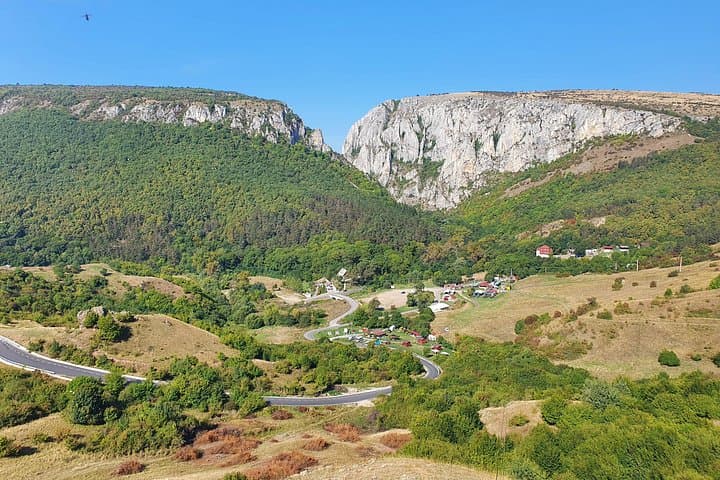
On the highway out of Bucharest the plains peel away and the Carpathians rise like a wall, the air sharpening as the van climbs toward mountain passes. The tour moves at a steady rhythm: early-morning castle façades, midday market towns, late-afternoon viewpoints where forests push and rivers dare you to follow them downstream. Travelers spend mornings in royal salons and afternoons on castle terraces, nights in fortified towns whose cobbled streets remember different empires.
Verified experiences and guided adventures in the surrounding area.
Operated by Romania Private Guide · Bucharest, Bucharest
On the highway out of Bucharest the plains peel away and the Carpathians rise like a wall, the air sharpening as the van climbs toward mountain passes. The tour moves at a steady rhythm: early-morning castle façades, midday market towns, late-afternoon viewpoints where forests push and rivers dare you to follow them downstream. Travelers spend mornings in royal salons and afternoons on castle terraces, nights in fortified towns whose cobbled streets remember different empires.
The route threads through Romanian history — royal Peles Castle’s neo-Renaissance rooms, Bran’s battlements tied to Bram Stoker’s myth, and Sighisoara’s living medieval citadel where Vlad the Impaler was born. Geologically the journey traces volcanic basalt outcrops at Rupea, karst valleys feeding the Olt and Argeș, and the engineered sweep of Vidraru Dam. Culturally, Transylvania is a patchwork of Saxon villages, Romanian monasteries and Hungarian influences; small markets still sell smoked cheeses and herbal blends used in local cooking.
Practically, expect long drives broken by 60–120 minute guided stops, a steep 1,400-step climb to Poienari and narrow streets in citadels. Comfortable walking shoes and layered clothing matter more than peak physical fitness. The best window for high-mountain views on the Transfăgărășan is July–October; spring offers wildflowers and quieter sites. Guides handle logistics and hotel recommendations; travelers should carry local currency for small purchases, bring a compact daypack, and allow extra time for photography at overlooks. This private itinerary balances history, short hikes and scenic drives, delivering an efficient, immersive survey of Transylvania’s castles, cultural towns and mountain edges.
The tour departs from and returns to Bucharest; exact pickup point is arranged at booking.
The guide’s accommodation, meals and entrance fees for the guide are included; visitor admission fees and your lodging are typically not included unless specified.
Yes—physically the tour is suitable for most ages, though Poienari’s 1,400 steps and uneven historic sites require mobility and caution.
Yes—this is a private tour and the operator allows flexibility to adjust the daily plan subject to logistics and road conditions.
Romania Private Guide operates guided outdoor trips and adventures with an emphasis on safety, stewardship, and memorable experiences.


On the highway out of Bucharest the plains peel away and the Carpathians rise like a wall, the air sharpening as the van climbs toward mountain passes. The tour moves at a steady rhythm: early-morning castle façades, midday market towns, late-afternoon viewpoints where forests push and rivers dare you to follow them downstream. Travelers spend mornings in royal salons and afternoons on castle terraces, nights in fortified towns whose cobbled streets remember different empires.
On the highway out of Bucharest the plains peel away and the Carpathians rise like a wall, the air sharpening as the van climbs toward mountain passes. The tour moves at a steady rhythm: early-morning castle façades, midday market towns, late-afternoon viewpoints where forests push and rivers dare you to follow them downstream. Travelers spend mornings in royal salons and afternoons on castle terraces, nights in fortified towns whose cobbled streets remember different empires.
The route threads through Romanian history — royal Peles Castle’s neo-Renaissance rooms, Bran’s battlements tied to Bram Stoker’s myth, and Sighisoara’s living medieval citadel where Vlad the Impaler was born. Geologically the journey traces volcanic basalt outcrops at Rupea, karst valleys feeding the Olt and Argeș, and the engineered sweep of Vidraru Dam. Culturally, Transylvania is a patchwork of Saxon villages, Romanian monasteries and Hungarian influences; small markets still sell smoked cheeses and herbal blends used in local cooking.
Practically, expect long drives broken by 60–120 minute guided stops, a steep 1,400-step climb to Poienari and narrow streets in citadels. Comfortable walking shoes and layered clothing matter more than peak physical fitness. The best window for high-mountain views on the Transfăgărășan is July–October; spring offers wildflowers and quieter sites. Guides handle logistics and hotel recommendations; travelers should carry local currency for small purchases, bring a compact daypack, and allow extra time for photography at overlooks. This private itinerary balances history, short hikes and scenic drives, delivering an efficient, immersive survey of Transylvania’s castles, cultural towns and mountain edges.