THE ADVENTURE COLLECTIVE® · Independent discovery and booking for outdoor travel

A four‑day private circuit from Bucharest that pairs Romania’s most iconic castles with UNESCO Saxon villages and the dramatic Transfăgărășan road. Expect medieval citadels, craft demonstrations, and sweeping Carpathian views with a private guide and driver.
A four‑day private circuit from Bucharest that pairs Romania’s most iconic castles with UNESCO Saxon villages and the dramatic Transfăgărășan road. Expect medieval citadels, craft demonstrations, and sweeping Carpathian views with a private guide and driver.
You step out of the air‑conditioned minivan and the Carpathians inhale—a cool, pine-scented breath that moves you toward stone towers and narrow cobbled lanes.
Verified experiences and guided adventures in the surrounding area.
Operated by I Travel in Romania · Bucharest, Bucharest
You step out of the air‑conditioned minivan and the Carpathians inhale—a cool, pine-scented breath that moves you toward stone towers and narrow cobbled lanes.
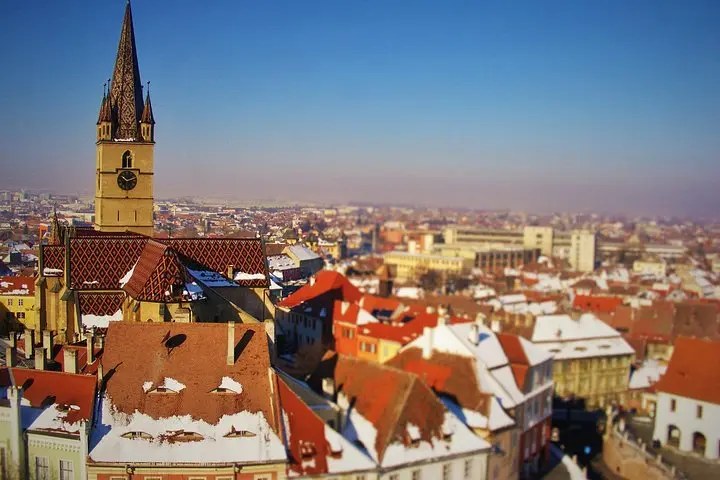
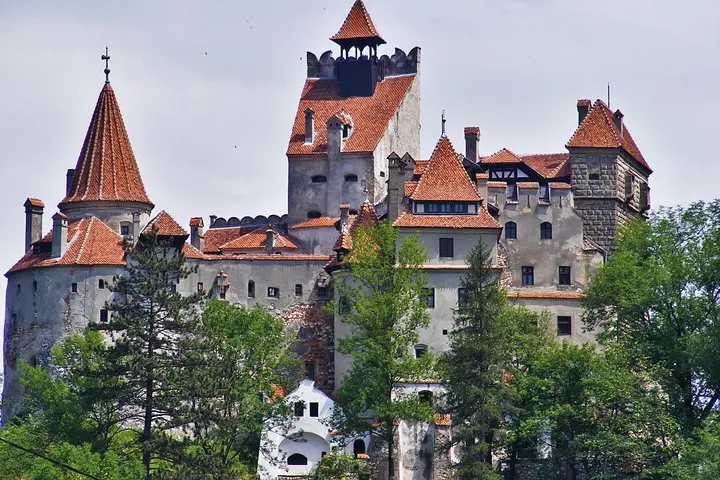
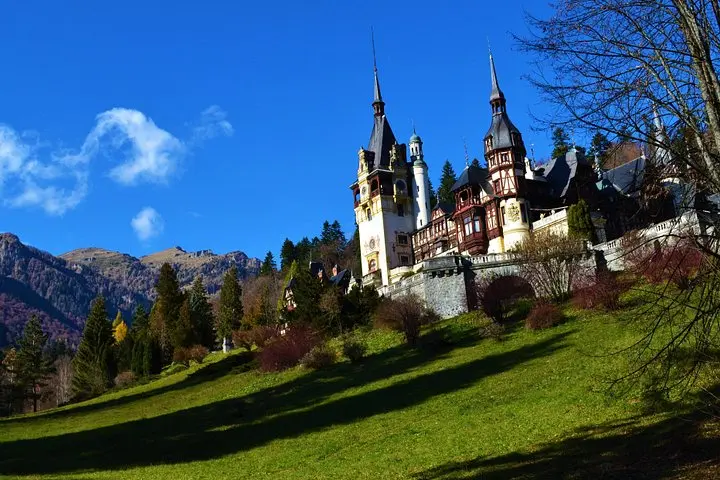
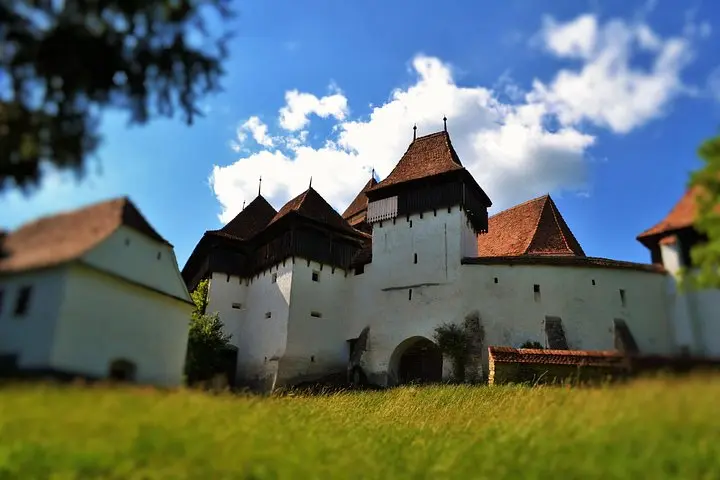
Across four days you move from Bucharest’s urban grid into a landscape where medieval roofs cluster against forested slopes. Peles Castle in Sinaia opens like a late‑19th‑century royal home; Bran perches on a rocky spur and flirts with the Dracula myth. In Sighişoara, the clock tower watches the citadel square where Vlad Țepeș is said to have been born. Saxon villages—Viscri, Malancrav, Biertan—hold fortified churches listed by UNESCO, their thick walls reflecting centuries of Transylvanian border history. The Transfăgărășan road rises and falls through limestone ridges and glacial bowls; at higher elevations the road and Balea Lake push clouds aside and offer sweeping views.
Geology here is sharp: the Southern Carpathians are folded, forested ranges of sandstone and limestone, carved by streams that dare you to follow them. Culturally, Saxon, Romanian and Roma crafts remain visible—blacksmiths, weavers and small family restaurants serve the region’s slower rhythms.
Practical notes: expect 2–3 hour drives between major stops, comfortable walking on uneven cobbles, and short guided tours at castles and churches. Transfăgărășan is typically open July–October; in other months the route may switch to the Olt Valley. Bring layered clothing, sturdy shoes, and a small daypack for village visits. Timing mornings for sights helps avoid crowds and leaves afternoons for scenic drives or local craft visits.
Most standard guided visits listed (Peleș ground and first floor, Bran standard tour, selected fortified churches) are included; check the itinerary for specifics and optional extras.
No—Transfăgărășan is typically open July–October; outside that window the itinerary follows the Olt Valley route with equally scenic views.
Yes—infants and small children are accommodated and infant seats are available; mention needs at booking.
A moderate level of fitness is needed for short walks, stairs in castles and hilltop citadels; no technical skills required.
I Travel in Romania operates guided outdoor trips and adventures with an emphasis on safety, stewardship, and memorable experiences.
You step out of the air‑conditioned minivan and the Carpathians inhale—a cool, pine-scented breath that moves you toward stone towers and narrow cobbled lanes.
You step out of the air‑conditioned minivan and the Carpathians inhale—a cool, pine-scented breath that moves you toward stone towers and narrow cobbled lanes.
Across four days you move from Bucharest’s urban grid into a landscape where medieval roofs cluster against forested slopes. Peles Castle in Sinaia opens like a late‑19th‑century royal home; Bran perches on a rocky spur and flirts with the Dracula myth. In Sighişoara, the clock tower watches the citadel square where Vlad Țepeș is said to have been born. Saxon villages—Viscri, Malancrav, Biertan—hold fortified churches listed by UNESCO, their thick walls reflecting centuries of Transylvanian border history. The Transfăgărășan road rises and falls through limestone ridges and glacial bowls; at higher elevations the road and Balea Lake push clouds aside and offer sweeping views.
Geology here is sharp: the Southern Carpathians are folded, forested ranges of sandstone and limestone, carved by streams that dare you to follow them. Culturally, Saxon, Romanian and Roma crafts remain visible—blacksmiths, weavers and small family restaurants serve the region’s slower rhythms.
Practical notes: expect 2–3 hour drives between major stops, comfortable walking on uneven cobbles, and short guided tours at castles and churches. Transfăgărășan is typically open July–October; in other months the route may switch to the Olt Valley. Bring layered clothing, sturdy shoes, and a small daypack for village visits. Timing mornings for sights helps avoid crowds and leaves afternoons for scenic drives or local craft visits.