THE ADVENTURE COLLECTIVE® · Independent discovery and booking for outdoor travel

Travel from Delhi’s monuments through Jaipur’s forts to Ranthambore’s tiger safaris on a compact four-day circuit. Expect early-morning jeep drives, regulated park rules, and classic Mughal and Rajput sights en route.
Travel from Delhi’s monuments through Jaipur’s forts to Ranthambore’s tiger safaris on a compact four-day circuit. Expect early-morning jeep drives, regulated park rules, and classic Mughal and Rajput sights en route.
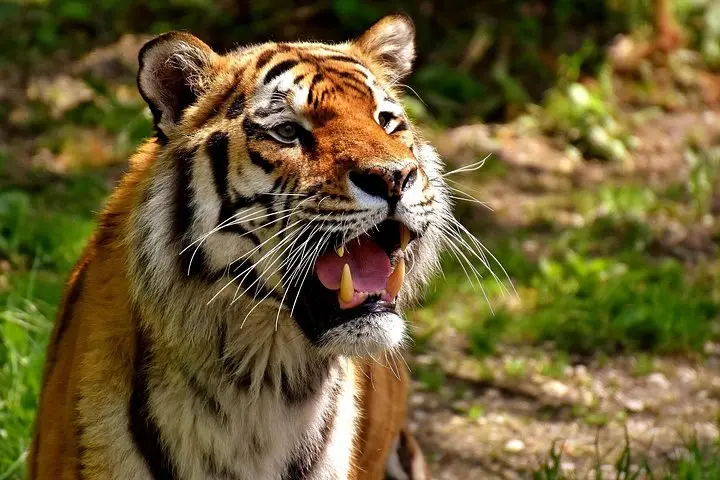
A pre-dawn jeep grinds over a dust track and the forest exhales: dry sal and khair trees thin out to reveal a shattered granite ridge crowned by Ranthambore Fort. On this four-day loop from Delhi through Jaipur and Agra, the landscape moves from imperial cities to tiger country—the roads stitch together Mughal plazas, Rajput forts and scrub jungle where a tiger’s stripe can blur into shade.
Verified experiences and guided adventures in the surrounding area.
Operated by Hire Taxi India · Sawai Madhopur, Rajasthan
A pre-dawn jeep grinds over a dust track and the forest exhales: dry sal and khair trees thin out to reveal a shattered granite ridge crowned by Ranthambore Fort. On this four-day loop from Delhi through Jaipur and Agra, the landscape moves from imperial cities to tiger country—the roads stitch together Mughal plazas, Rajput forts and scrub jungle where a tiger’s stripe can blur into shade.
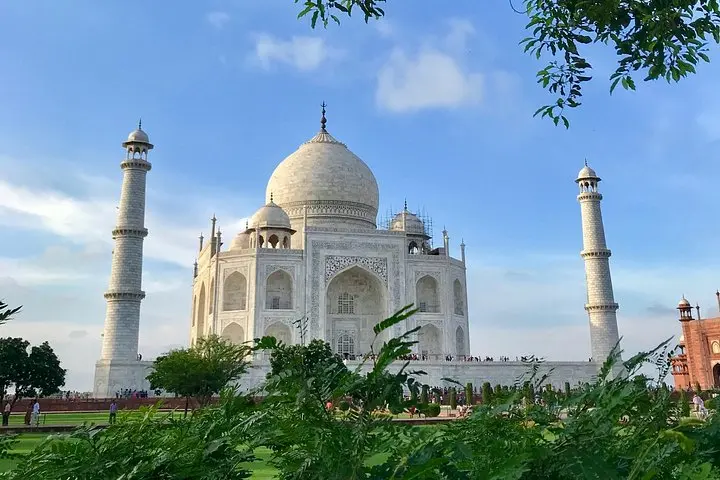
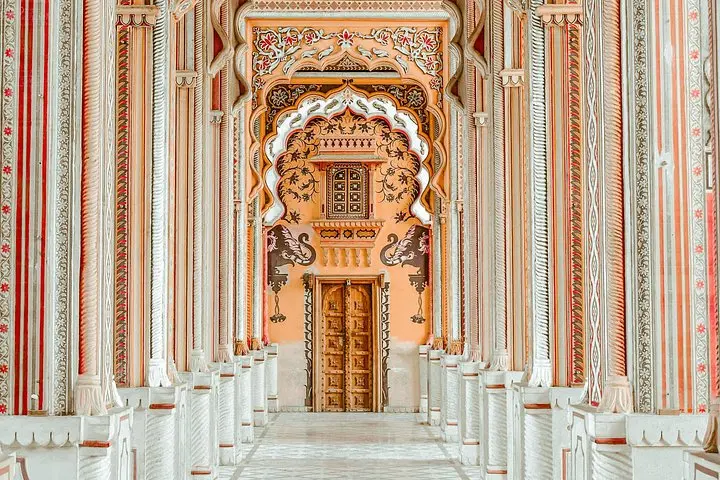
The route threads history and geology: the pink sandstone facades of Jaipur (18th century city-planning by Maharaja Jai Singh II), the Taj Mahal’s 17th-century marble precision in Agra, and the Vindhyan–Aravalli outcrops that shape Ranthambore’s rocky lakes and boulder-strewn grasslands. Culturally, bazaars, block-print workshops and temple shrines offer quick windows into Rajasthan’s artisan and royal past between drives.
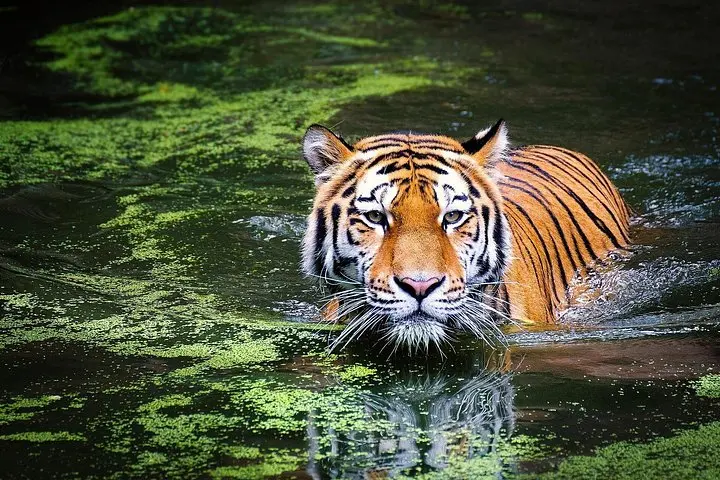
Practically, expect early morning 3-hour jeep safaris in Ranthambore National Park (Project Tiger reserve since 1973), hotel pickups in Delhi, and long road legs—Delhi→Jaipur ~4–5 hrs, Jaipur→Ranthambore ~3 hrs, Ranthambore→Agra ~5–6 hrs, Agra→Delhi ~3 hrs. Terrain in the park is dry deciduous with seasonal waterholes; sightings are possible but never guaranteed—naturalist-guided safaris improve odds and enforce safety rules.
Plan for sunrise safaris (best light), lightweight layers for cool mornings and hot afternoons, official ID or passport for bookings, and minimal-impact behavior inside the park. Carry binoculars, a telephoto-ready camera, refillable water, and an early alarm: the forest rewards those who arrive before the sun climbs.
Sightings are possible but not guaranteed; sunrise safaris with an experienced naturalist increase your chances, and the park’s zoning and waterholes concentrate wildlife.
Yes—government ID or passport details are required for booking and park entry; bring originals and copies during travel.
Safaris are vehicle-based and generally safe, but long drives and early starts may be tiring; check park age restrictions and consult guides about mobility limitations.
October to June is most reliable; monsoon months (July–September) bring dense vegetation and closed zones, reducing sighting odds.
Hire Taxi India operates guided outdoor trips and adventures with an emphasis on safety, stewardship, and memorable experiences.
A pre-dawn jeep grinds over a dust track and the forest exhales: dry sal and khair trees thin out to reveal a shattered granite ridge crowned by Ranthambore Fort. On this four-day loop from Delhi through Jaipur and Agra, the landscape moves from imperial cities to tiger country—the roads stitch together Mughal plazas, Rajput forts and scrub jungle where a tiger’s stripe can blur into shade.
A pre-dawn jeep grinds over a dust track and the forest exhales: dry sal and khair trees thin out to reveal a shattered granite ridge crowned by Ranthambore Fort. On this four-day loop from Delhi through Jaipur and Agra, the landscape moves from imperial cities to tiger country—the roads stitch together Mughal plazas, Rajput forts and scrub jungle where a tiger’s stripe can blur into shade.
The route threads history and geology: the pink sandstone facades of Jaipur (18th century city-planning by Maharaja Jai Singh II), the Taj Mahal’s 17th-century marble precision in Agra, and the Vindhyan–Aravalli outcrops that shape Ranthambore’s rocky lakes and boulder-strewn grasslands. Culturally, bazaars, block-print workshops and temple shrines offer quick windows into Rajasthan’s artisan and royal past between drives.
Practically, expect early morning 3-hour jeep safaris in Ranthambore National Park (Project Tiger reserve since 1973), hotel pickups in Delhi, and long road legs—Delhi→Jaipur ~4–5 hrs, Jaipur→Ranthambore ~3 hrs, Ranthambore→Agra ~5–6 hrs, Agra→Delhi ~3 hrs. Terrain in the park is dry deciduous with seasonal waterholes; sightings are possible but never guaranteed—naturalist-guided safaris improve odds and enforce safety rules.
Plan for sunrise safaris (best light), lightweight layers for cool mornings and hot afternoons, official ID or passport for bookings, and minimal-impact behavior inside the park. Carry binoculars, a telephoto-ready camera, refillable water, and an early alarm: the forest rewards those who arrive before the sun climbs.