THE ADVENTURE COLLECTIVE® · Independent discovery and booking for outdoor travel

See sunrise at Ahu Tongariki, explore Rano Raraku’s moai quarry and walk the rim of Rano Kau in a focused four-day itinerary that bundles tours, airport pickup and central hostel stays. Ideal for travelers wanting accessible cultural and volcanic landscapes.
See sunrise at Ahu Tongariki, explore Rano Raraku’s moai quarry and walk the rim of Rano Kau in a focused four-day itinerary that bundles tours, airport pickup and central hostel stays. Ideal for travelers wanting accessible cultural and volcanic landscapes.
Before dawn the Ahu Tongariki silhouette kneels against the horizon and the first light pulls the island upright. Visitors arrive by small plane, met at Mataveri airport, and carried into a compact world of volcanic ridgelines, coastal bays and stone giants that still read like chapters of an ancient calendar.
Verified experiences and guided adventures in the surrounding area.
Operated by RAPA NUI DREAM · Hanga Roa, Valparaíso Region
Before dawn the Ahu Tongariki silhouette kneels against the horizon and the first light pulls the island upright. Visitors arrive by small plane, met at Mataveri airport, and carried into a compact world of volcanic ridgelines, coastal bays and stone giants that still read like chapters of an ancient calendar.
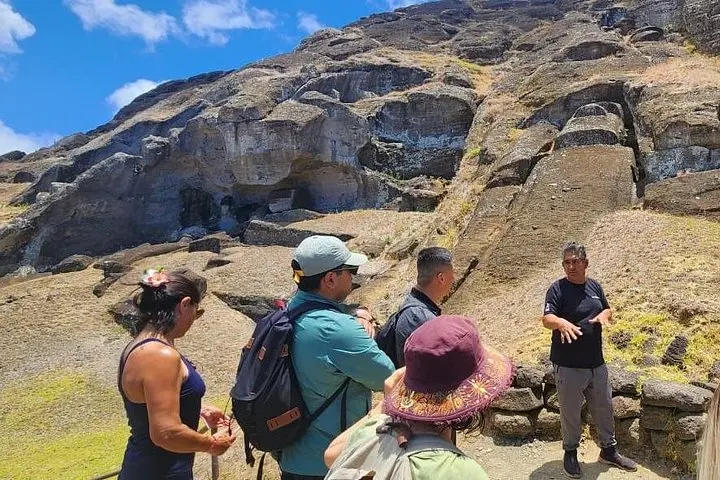
Easter Island (Rapa Nui) is a volcanic high point of the southeast Pacific, built from three main cones—Terevaka, Poike and Rano Kau. The island’s archaeological heart is visible in Rano Raraku’s unfinished moai, the ceremonial villages on Rano Kau’s rim, and the long Ahu platforms lining sandy Anakena. Polynesian settlers brought rich oral history and a unique carved-stone culture; later contact and ecological change reshaped the landscape and population.
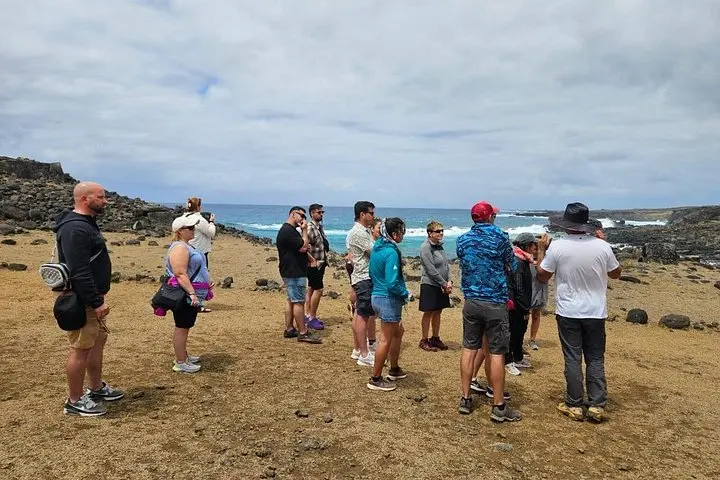
Tours combine short, interpretive walks (many under 3 km), roadside stops and modest scrambles over uneven volcanic rock. Expect dusty tracks, salty winds that push forward, and pockets of lush crater wetlands at Rano Kau where seabirds wheel overhead.
Practical notes: the itinerary includes airport pickup, three nights in a central hostel and guided full-day tours led in small shared groups (max ~16). Moderate fitness is required for repeated short hikes, uneven footing and early-morning sunrise logistics. Carry sun protection, plenty of water, and respect ropes and signage—many sites are protected within Rapa Nui National Park and require an entry pass. Timing trips around calmer weather windows reduces wind-driven spray and improves sunrise views. For travelers who want concentrated culture, geology and accessible adventure, four days here deliver a dense, walkable portrait of one of the world’s most singular islands.
Yes — many archaeological sites are inside the national park and require an entry pass; purchase in advance when possible or through your tour operator.
Moderate — most visits involve short walks (under 3 km per site) over uneven volcanic terrain and some stairs or rocky scrambles.
Yes — the itinerary includes airport reception at Mataveri and drop-off at the end of the program.
Early morning on calm days offers the best light and fewer crowds—plan for pre-dawn moves to viewing platforms like Tongariki.
RAPA NUI DREAM operates guided outdoor trips and adventures with an emphasis on safety, stewardship, and memorable experiences.
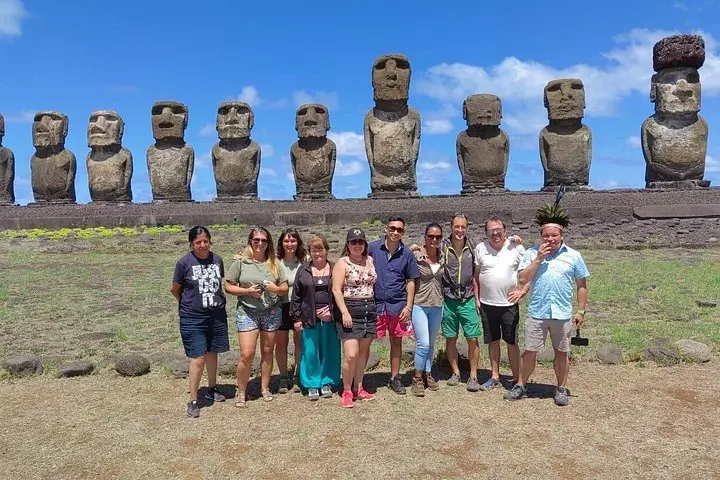
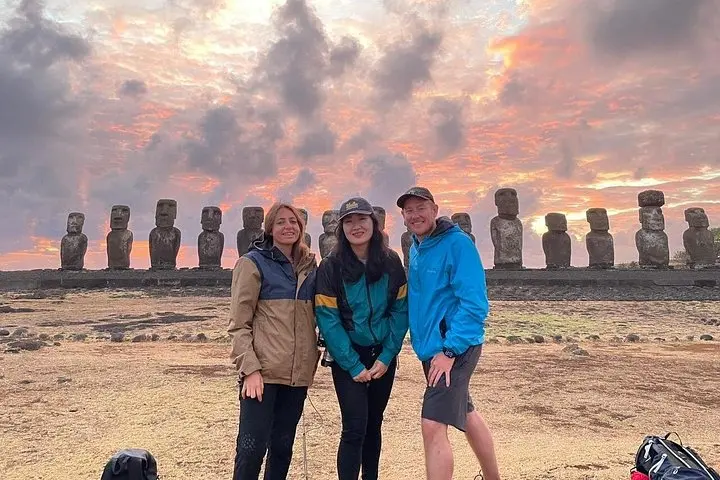
Before dawn the Ahu Tongariki silhouette kneels against the horizon and the first light pulls the island upright. Visitors arrive by small plane, met at Mataveri airport, and carried into a compact world of volcanic ridgelines, coastal bays and stone giants that still read like chapters of an ancient calendar.
Before dawn the Ahu Tongariki silhouette kneels against the horizon and the first light pulls the island upright. Visitors arrive by small plane, met at Mataveri airport, and carried into a compact world of volcanic ridgelines, coastal bays and stone giants that still read like chapters of an ancient calendar.
Easter Island (Rapa Nui) is a volcanic high point of the southeast Pacific, built from three main cones—Terevaka, Poike and Rano Kau. The island’s archaeological heart is visible in Rano Raraku’s unfinished moai, the ceremonial villages on Rano Kau’s rim, and the long Ahu platforms lining sandy Anakena. Polynesian settlers brought rich oral history and a unique carved-stone culture; later contact and ecological change reshaped the landscape and population.
Tours combine short, interpretive walks (many under 3 km), roadside stops and modest scrambles over uneven volcanic rock. Expect dusty tracks, salty winds that push forward, and pockets of lush crater wetlands at Rano Kau where seabirds wheel overhead.
Practical notes: the itinerary includes airport pickup, three nights in a central hostel and guided full-day tours led in small shared groups (max ~16). Moderate fitness is required for repeated short hikes, uneven footing and early-morning sunrise logistics. Carry sun protection, plenty of water, and respect ropes and signage—many sites are protected within Rapa Nui National Park and require an entry pass. Timing trips around calmer weather windows reduces wind-driven spray and improves sunrise views. For travelers who want concentrated culture, geology and accessible adventure, four days here deliver a dense, walkable portrait of one of the world’s most singular islands.