THE ADVENTURE COLLECTIVE® · Independent discovery and booking for outdoor travel

A four-day private safari from Watamu that links Tsavo East, Amboseli and Tsavo West with Mzima Springs—ideal for first-time safari-goers who want diverse habitats, big-game viewing and a chance to see Kilimanjaro from the Kenyan side.
A four-day private safari from Watamu that links Tsavo East, Amboseli and Tsavo West with Mzima Springs—ideal for first-time safari-goers who want diverse habitats, big-game viewing and a chance to see Kilimanjaro from the Kenyan side.
A private minivan threads inland from Watamu’s palm-fringed shore and the coast falls away to red earth and acacia silhouettes. Early mornings on this four-day loop bring light across wide plains, elephants moving like slow weather and Kilimanjaro’s peak appearing like a distant promise on clear days.
Verified experiences and guided adventures in the surrounding area.
Operated by KT & Safaris · Watamu, Kilifi County
A private minivan threads inland from Watamu’s palm-fringed shore and the coast falls away to red earth and acacia silhouettes. Early mornings on this four-day loop bring light across wide plains, elephants moving like slow weather and Kilimanjaro’s peak appearing like a distant promise on clear days.
The route stitches three distinct landscapes: Tsavo East’s open savanna shaped by the old railway, Amboseli’s flat plains below Africa’s highest freestanding peak, and Tsavo West’s volcanic scars and spring-fed channels. Geology shows itself in Shetani lava flows and the clear, cool outflow of Mzima Springs—a reminder of underground rivers that keep coastal ecosystems alive.
Culturally, the drive crosses Maasai grazing land and communities whose seasonal rhythms still follow livestock and water. The parks carry history—railway-era stories in Tsavo and long-running conservation work in Amboseli—and modern visitor systems that fund anti-poaching and community projects.
Practically, expect full days on dirt and tarmac with multiple game drives, short guided walks (in Tsavo West), and lodge-based nights. Wildlife viewing is vehicle-driven: binoculars and a steady camera help, but allow time for animals to present themselves. Travel light, layer for sun and early chill, and plan for dusty roads—a hat, good boots for brief walks, and reusable water are essential. Best viewing is in the drier months (June–October and January–February); rains can blur access but sharpen landscapes. Guides handle permits and park logistics—arrive with copies of travel documents and an openness to moving at wildlife’s pace.
Consult a travel clinic before departure—yellow fever certificate may be required depending on origin, and malaria prophylaxis is recommended for coastal and inland areas.
Check booking details; many tours include park fees, but if not, your guide will advise payment procedures and amounts in advance.
Yes—on clear days Amboseli offers classic views of Kilimanjaro from the Kenyan side, usually in the early morning when cloud cover is minimal.
The itinerary notes accessibility and is suitable for most ages, but long drives can be tiring—discuss specific mobility needs with the operator ahead of booking.
KT & Safaris operates guided outdoor trips and adventures with an emphasis on safety, stewardship, and memorable experiences.

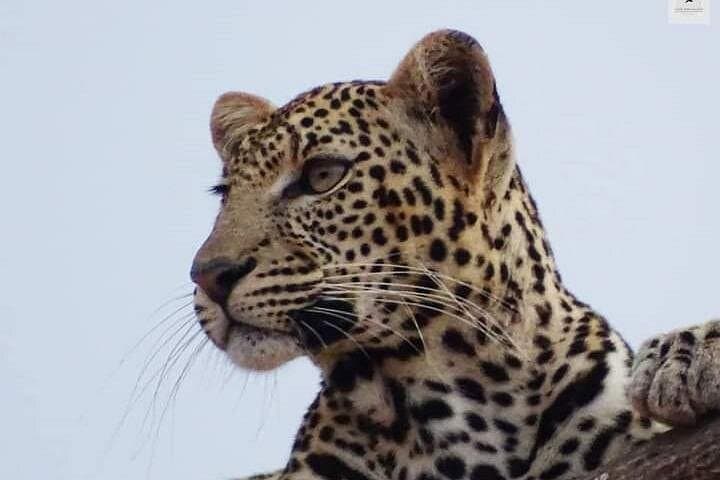


A private minivan threads inland from Watamu’s palm-fringed shore and the coast falls away to red earth and acacia silhouettes. Early mornings on this four-day loop bring light across wide plains, elephants moving like slow weather and Kilimanjaro’s peak appearing like a distant promise on clear days.
A private minivan threads inland from Watamu’s palm-fringed shore and the coast falls away to red earth and acacia silhouettes. Early mornings on this four-day loop bring light across wide plains, elephants moving like slow weather and Kilimanjaro’s peak appearing like a distant promise on clear days.
The route stitches three distinct landscapes: Tsavo East’s open savanna shaped by the old railway, Amboseli’s flat plains below Africa’s highest freestanding peak, and Tsavo West’s volcanic scars and spring-fed channels. Geology shows itself in Shetani lava flows and the clear, cool outflow of Mzima Springs—a reminder of underground rivers that keep coastal ecosystems alive.
Culturally, the drive crosses Maasai grazing land and communities whose seasonal rhythms still follow livestock and water. The parks carry history—railway-era stories in Tsavo and long-running conservation work in Amboseli—and modern visitor systems that fund anti-poaching and community projects.
Practically, expect full days on dirt and tarmac with multiple game drives, short guided walks (in Tsavo West), and lodge-based nights. Wildlife viewing is vehicle-driven: binoculars and a steady camera help, but allow time for animals to present themselves. Travel light, layer for sun and early chill, and plan for dusty roads—a hat, good boots for brief walks, and reusable water are essential. Best viewing is in the drier months (June–October and January–February); rains can blur access but sharpen landscapes. Guides handle permits and park logistics—arrive with copies of travel documents and an openness to moving at wildlife’s pace.