THE ADVENTURE COLLECTIVE® · Independent discovery and booking for outdoor travel

A compact four-day loop from Arusha through Tarangire, Serengeti and Ngorongoro that prioritizes wildlife windows, early-morning game drives, and practical logistics for first-time safari travelers. Read on for essential tips, seasonal notes, and what to pack for this classic northern Tanzania circuit.
A compact four-day loop from Arusha through Tarangire, Serengeti and Ngorongoro that prioritizes wildlife windows, early-morning game drives, and practical logistics for first-time safari travelers. Read on for essential tips, seasonal notes, and what to pack for this classic northern Tanzania circuit.
Dawn cracks open over the savanna and the 4x4 hums to life — dust lifts in a slow ribbon as acacia crowns pass like sentries. On this four-day circuit you move from Tarangire’s riverine elephant herds to the broad lawns of the Serengeti and down into the Ngorongoro caldera, where a volcanic collapse keeps large mammals in a dramatic amphitheater.
Verified experiences and guided adventures in the surrounding area.
Operated by African Beast tours and safaris · Arusha, Arusha Region
Dawn cracks open over the savanna and the 4x4 hums to life — dust lifts in a slow ribbon as acacia crowns pass like sentries. On this four-day circuit you move from Tarangire’s riverine elephant herds to the broad lawns of the Serengeti and down into the Ngorongoro caldera, where a volcanic collapse keeps large mammals in a dramatic amphitheater.
Tarangire channels dry-season concentrations of elephants and water-dependent birds around the Silale swamp; the Serengeti’s Seronera area is engineered by geology into long grass plains that guide the wildebeest migration; Ngorongoro’s crater is a 2,000–2,200 m rim enclosing an 1,800 m floor that supports resident rhino alongside lions and buffalo. Maasai pastoral culture frames much of the landscape—many routes cross communal lands where traditional grazing patterns continue.
Expect long game-drive days with early starts (before sunrise), picnic lunches, and nights at basic campsites or similar lodgings. Vehicles are 4x4 safari rigs; guides read animal movement like an atlas. Bring strong sun protection, refillable water, binoculars and layered clothing for temperature swings between Arusha (~1,400 m) and crater rims (~2,200 m).
Practically: park entry fees and optional ranger-driven crater descents are typically extra; tipping and local guides support conservation and communities. Move deliberately on this itinerary — it’s designed to maximize wildlife windows while keeping travel between parks manageable. Hydrate, keep cameras ready, and let the landscape push you gently from one unforgettable scene to the next.
Typically not included on basic packages; you can pay on arrival or choose a rate that includes fees—confirm before booking.
Expect several hours of driving between parks and multiple game-drive sessions each day; days start early and end mid-late afternoon.
This itinerary lists public campsites and similar lodging—basic facilities, communal or simple private tents; confirm upgrades if you want lodges.
Tanzania recommends routine vaccinations and malaria prophylaxis in many areas; consult your travel clinic for personalized advice well before travel.
African Beast tours and safaris operates guided outdoor trips and adventures with an emphasis on safety, stewardship, and memorable experiences.

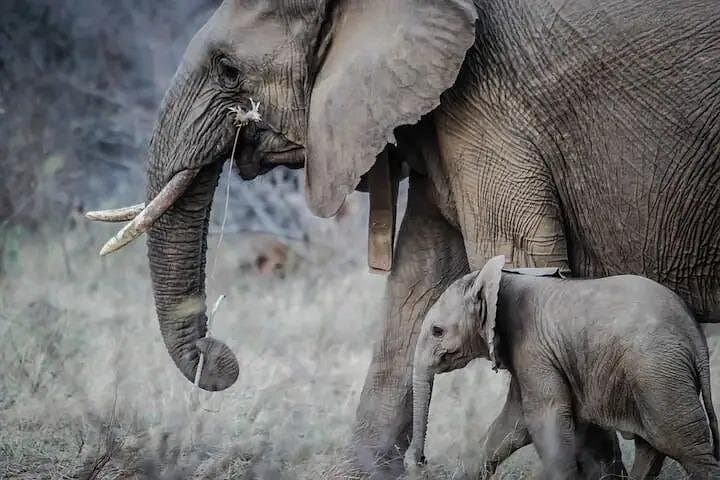


Dawn cracks open over the savanna and the 4x4 hums to life — dust lifts in a slow ribbon as acacia crowns pass like sentries. On this four-day circuit you move from Tarangire’s riverine elephant herds to the broad lawns of the Serengeti and down into the Ngorongoro caldera, where a volcanic collapse keeps large mammals in a dramatic amphitheater.
Dawn cracks open over the savanna and the 4x4 hums to life — dust lifts in a slow ribbon as acacia crowns pass like sentries. On this four-day circuit you move from Tarangire’s riverine elephant herds to the broad lawns of the Serengeti and down into the Ngorongoro caldera, where a volcanic collapse keeps large mammals in a dramatic amphitheater.
Tarangire channels dry-season concentrations of elephants and water-dependent birds around the Silale swamp; the Serengeti’s Seronera area is engineered by geology into long grass plains that guide the wildebeest migration; Ngorongoro’s crater is a 2,000–2,200 m rim enclosing an 1,800 m floor that supports resident rhino alongside lions and buffalo. Maasai pastoral culture frames much of the landscape—many routes cross communal lands where traditional grazing patterns continue.
Expect long game-drive days with early starts (before sunrise), picnic lunches, and nights at basic campsites or similar lodgings. Vehicles are 4x4 safari rigs; guides read animal movement like an atlas. Bring strong sun protection, refillable water, binoculars and layered clothing for temperature swings between Arusha (~1,400 m) and crater rims (~2,200 m).
Practically: park entry fees and optional ranger-driven crater descents are typically extra; tipping and local guides support conservation and communities. Move deliberately on this itinerary — it’s designed to maximize wildlife windows while keeping travel between parks manageable. Hydrate, keep cameras ready, and let the landscape push you gently from one unforgettable scene to the next.