THE ADVENTURE COLLECTIVE® · Independent discovery and booking for outdoor travel

Four days of classic northern Tanzania safari—Lake Manyara’s woodland and flamingos, the Seronera heart of the Serengeti, and the packed plains of Ngorongoro Crater. Expect dawn game drives, camp nights and a close look at East Africa’s wildlife and geology.
Four days of classic northern Tanzania safari—Lake Manyara’s woodland and flamingos, the Seronera heart of the Serengeti, and the packed plains of Ngorongoro Crater. Expect dawn game drives, camp nights and a close look at East Africa’s wildlife and geology.
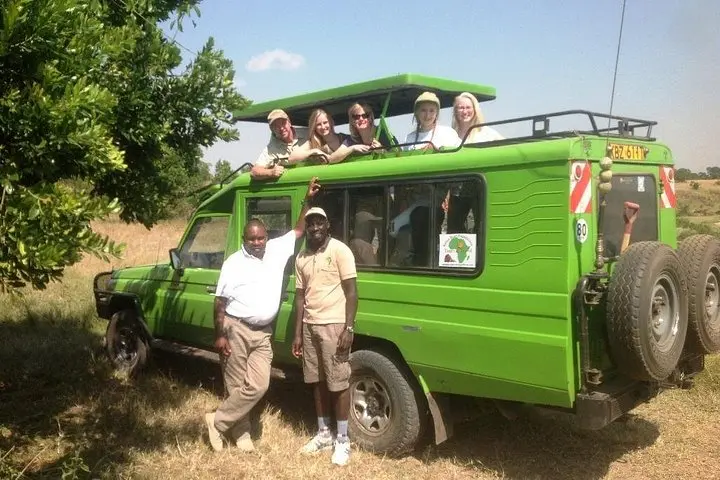
Dust rises along the rutted track as the Land Cruiser eases away from Arusha and the Rift Valley escarpment fills the windscreen. By midday the soda flats of Lake Manyara flash white, flamingos dot the shallows and lions rest in the limbs of fever trees, as if the landscape itself is watching you back.
Verified experiences and guided adventures in the surrounding area.
Operated by Kenya Bush Expeditions Tour and Travel · Arusha, Arusha Region
Dust rises along the rutted track as the Land Cruiser eases away from Arusha and the Rift Valley escarpment fills the windscreen. By midday the soda flats of Lake Manyara flash white, flamingos dot the shallows and lions rest in the limbs of fever trees, as if the landscape itself is watching you back.
This four-day loop threads three of northern Tanzania’s headline parks. Lake Manyara sits at the base of the Rift Valley, a shallow alkaline lake ringed by woodland that supports tree-climbing lions and large elephant herds. The Serengeti’s Seronera plains are classic savanna—ancient river corridors feeding dense predator-prey interactions—while Ngorongoro is a collapsed volcanic caldera where concentrated wildlife gathers on a stamped-earth stage shaped by geology and human history. Stopovers often include Karatu’s farmland and the nearby Olduvai Gorge, where hominid discoveries rewrote human origins.
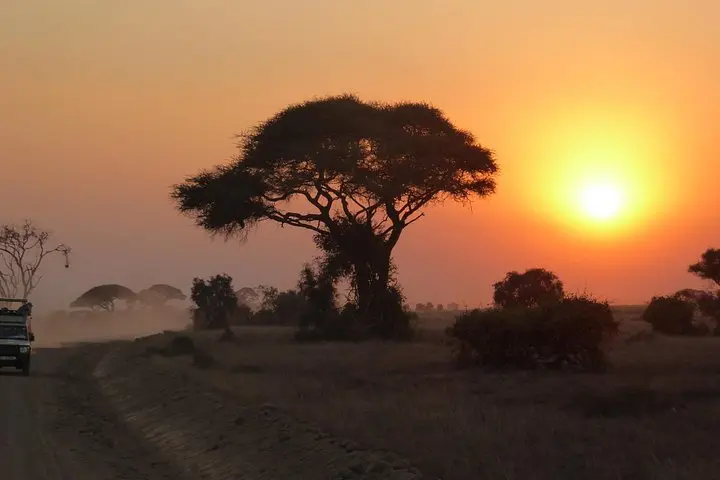
Expect game drives at dawn and late afternoon, picnic lunches under acacia shade, and camp evenings punctuated by distant hyena calls. Guides interpret animal behavior and the conservation context of these parks—Ngorongoro’s mixed-use buffer zones and Serengeti migration cycles—so you understand what you’re seeing and why it matters.
Practical notes: accommodations are campsite-based, roads can be rough, and the best light for photography is early and late. Carry water, layered clothing for hot days and cool nights, and binoculars. Pack travel documents and park-appropriate footwear; respect park rules and local communities to keep this landscape wild.
Yes—national park entrance fees are included in this itinerary, as listed in the tour inclusions.
Meals include 3 breakfasts, 3 dinners and 4 lunches across the four-day itinerary; specific meal timing follows game-drive schedules.
Infants must sit on an adult’s lap; the tour is a group-joining safari and requires moderate mobility—check with the operator about age limits.
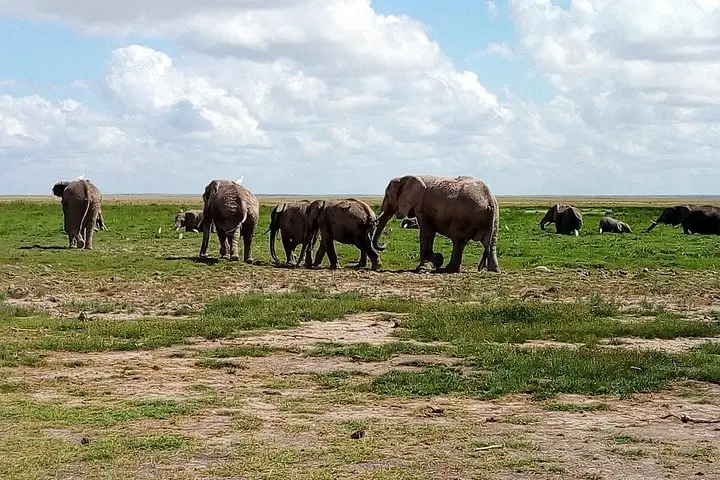
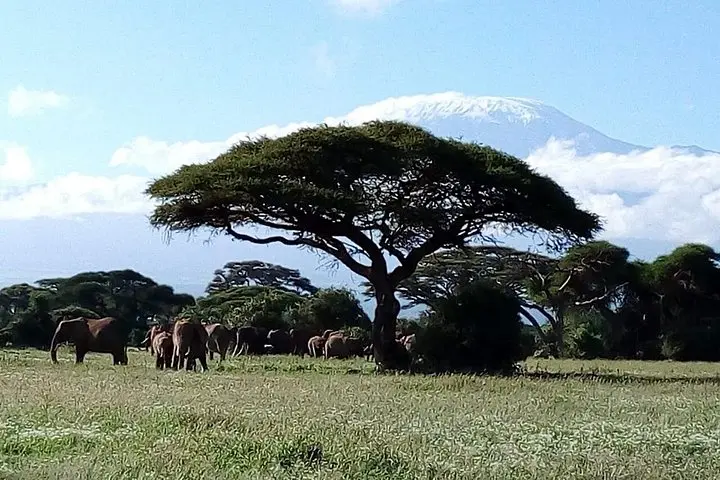
You’ll have strong chances for elephants, buffalo and lions; sightings of leopard and rhino vary—Ngorongoro and Serengeti are among the best areas regionally but sightings aren’t guaranteed.
Kenya Bush Expeditions Tour and Travel operates guided outdoor trips and adventures with an emphasis on safety, stewardship, and memorable experiences.
Dust rises along the rutted track as the Land Cruiser eases away from Arusha and the Rift Valley escarpment fills the windscreen. By midday the soda flats of Lake Manyara flash white, flamingos dot the shallows and lions rest in the limbs of fever trees, as if the landscape itself is watching you back.
Dust rises along the rutted track as the Land Cruiser eases away from Arusha and the Rift Valley escarpment fills the windscreen. By midday the soda flats of Lake Manyara flash white, flamingos dot the shallows and lions rest in the limbs of fever trees, as if the landscape itself is watching you back.
This four-day loop threads three of northern Tanzania’s headline parks. Lake Manyara sits at the base of the Rift Valley, a shallow alkaline lake ringed by woodland that supports tree-climbing lions and large elephant herds. The Serengeti’s Seronera plains are classic savanna—ancient river corridors feeding dense predator-prey interactions—while Ngorongoro is a collapsed volcanic caldera where concentrated wildlife gathers on a stamped-earth stage shaped by geology and human history. Stopovers often include Karatu’s farmland and the nearby Olduvai Gorge, where hominid discoveries rewrote human origins.
Expect game drives at dawn and late afternoon, picnic lunches under acacia shade, and camp evenings punctuated by distant hyena calls. Guides interpret animal behavior and the conservation context of these parks—Ngorongoro’s mixed-use buffer zones and Serengeti migration cycles—so you understand what you’re seeing and why it matters.
Practical notes: accommodations are campsite-based, roads can be rough, and the best light for photography is early and late. Carry water, layered clothing for hot days and cool nights, and binoculars. Pack travel documents and park-appropriate footwear; respect park rules and local communities to keep this landscape wild.