THE ADVENTURE COLLECTIVE® · Independent discovery and booking for outdoor travel

Compress four iconic Tanzanian parks into one efficient safari: baobabs and elephants in Tarangire, predator-packed plains in the Serengeti, and the wildlife-rich bowl of Ngorongoro. Expect long drives, early starts, and exceptional game viewing guided by local experts.
Compress four iconic Tanzanian parks into one efficient safari: baobabs and elephants in Tarangire, predator-packed plains in the Serengeti, and the wildlife-rich bowl of Ngorongoro. Expect long drives, early starts, and exceptional game viewing guided by local experts.
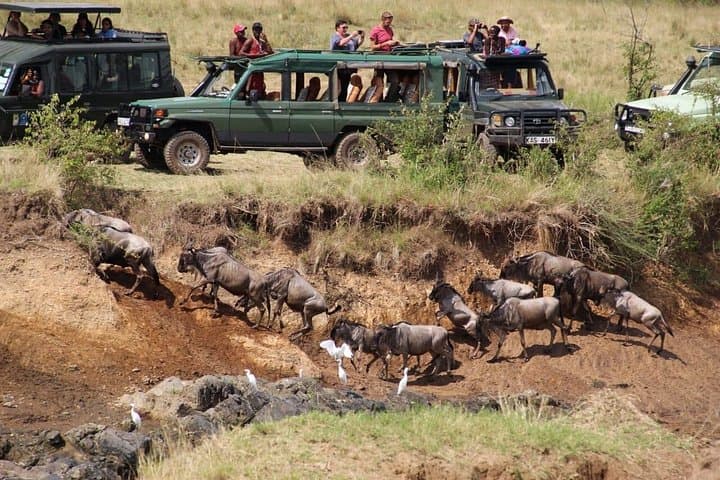
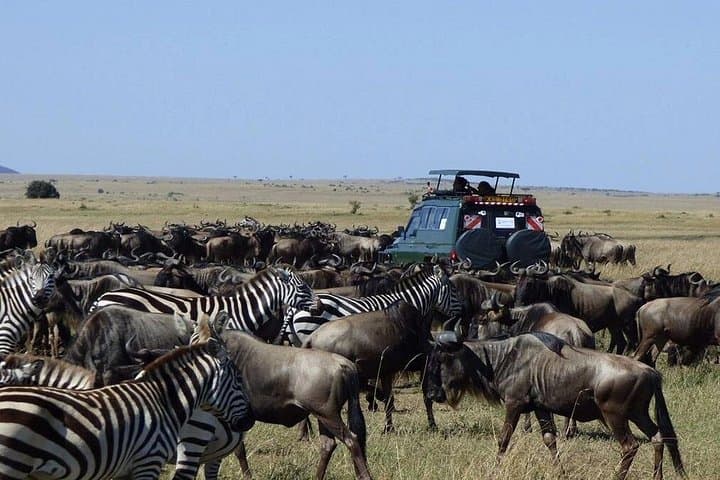
The Land Cruiser hums as dawn pulls back the dark; acacia silhouettes and the rounded crowns of baobabs appear like punctuation on the horizon. Dust lifts in the convoy’s wake while elephants pace toward the Tarangire River, and the Serengeti plains stretch away in a near-endless sheet of grass that seems to breathe under the sun.
Verified experiences and guided adventures in the surrounding area.
Operated by Gracepatt Ecotours Kenya · Arusha, Arusha Region
The Land Cruiser hums as dawn pulls back the dark; acacia silhouettes and the rounded crowns of baobabs appear like punctuation on the horizon. Dust lifts in the convoy’s wake while elephants pace toward the Tarangire River, and the Serengeti plains stretch away in a near-endless sheet of grass that seems to breathe under the sun.
This four-day loop stitches three of Tanzania’s most famous conservation areas into a compact wildlife circuit. Tarangire is known for its elephant concentrations and massive baobabs; the Serengeti’s geology—ancient volcanic soils and sweeping plains—creates the stage for predator-prey dynamics and the Great Migration; Ngorongoro is a collapsed caldera, a 600-meter natural amphitheater whose crater floor concentrates grazing herds and their predators.
Along the route you’ll meet Maasai communities and pass Rift Valley escarpments, learning both colonial and indigenous layers of history that shaped modern conservation policy here. Guides interpret spoor, migration timing and the crater’s volcanic origins so the landscape feels alive with cause and consequence—rivers that dare you to follow their courses and winds that push the tall grass into waves.
Practically: expect long drives between parks, early morning and late-afternoon game drives, park fees, and basic lodge or tented-camp accommodation. Bring layered clothing for cool mornings, a sun hat and binoculars, and enough cash for tips and village visits. Vaccinations and malaria prophylaxis are recommended; travel insurance that covers evacuation is prudent. With an experienced guide, four days deliver concentrated, high-value sightings—an efficient, on-the-ground introduction to East Africa’s wildlife and ecosystems.
Most itineraries include park fees and the listed meals; confirm whether bottled water, soft drinks or extras at lodges are included before booking.
Malaria risk is present in northern Tanzania—consult a travel clinic for recommended prophylaxis and updated vaccinations ahead of travel.
The trip suits older children; infants may need to sit on laps during transfers and some lodges have age restrictions—check provider policies before booking.
Expect multiple multi-hour drives between parks; the route includes scenic stops but plan for long stretches in a safari vehicle.
Gracepatt Ecotours Kenya operates guided outdoor trips and adventures with an emphasis on safety, stewardship, and memorable experiences.


The Land Cruiser hums as dawn pulls back the dark; acacia silhouettes and the rounded crowns of baobabs appear like punctuation on the horizon. Dust lifts in the convoy’s wake while elephants pace toward the Tarangire River, and the Serengeti plains stretch away in a near-endless sheet of grass that seems to breathe under the sun.
The Land Cruiser hums as dawn pulls back the dark; acacia silhouettes and the rounded crowns of baobabs appear like punctuation on the horizon. Dust lifts in the convoy’s wake while elephants pace toward the Tarangire River, and the Serengeti plains stretch away in a near-endless sheet of grass that seems to breathe under the sun.
This four-day loop stitches three of Tanzania’s most famous conservation areas into a compact wildlife circuit. Tarangire is known for its elephant concentrations and massive baobabs; the Serengeti’s geology—ancient volcanic soils and sweeping plains—creates the stage for predator-prey dynamics and the Great Migration; Ngorongoro is a collapsed caldera, a 600-meter natural amphitheater whose crater floor concentrates grazing herds and their predators.
Along the route you’ll meet Maasai communities and pass Rift Valley escarpments, learning both colonial and indigenous layers of history that shaped modern conservation policy here. Guides interpret spoor, migration timing and the crater’s volcanic origins so the landscape feels alive with cause and consequence—rivers that dare you to follow their courses and winds that push the tall grass into waves.
Practically: expect long drives between parks, early morning and late-afternoon game drives, park fees, and basic lodge or tented-camp accommodation. Bring layered clothing for cool mornings, a sun hat and binoculars, and enough cash for tips and village visits. Vaccinations and malaria prophylaxis are recommended; travel insurance that covers evacuation is prudent. With an experienced guide, four days deliver concentrated, high-value sightings—an efficient, on-the-ground introduction to East Africa’s wildlife and ecosystems.